Category Archives: my city and neighborhood

pre-spring haiku


all over the place

water running faster than you can walk:

snowmelt

— Ella Rutledge (posted on her Facebook page, February 2019)

I wish to thank my friend Ella Rutledge for giving me permission to post her haiku on this site.


— posted by Roger W. Smith

   February 24, 2019


*****************************************************

photographs of Central Park taken February 21, 2019 by Roger W. Smith


IMG_9553

3-41 IMG_9555.JPG

3-59 IMG_9667.JPG

4-15 IMG_9822.JPG

4-15 IMG_9828.JPG

New Yorkers


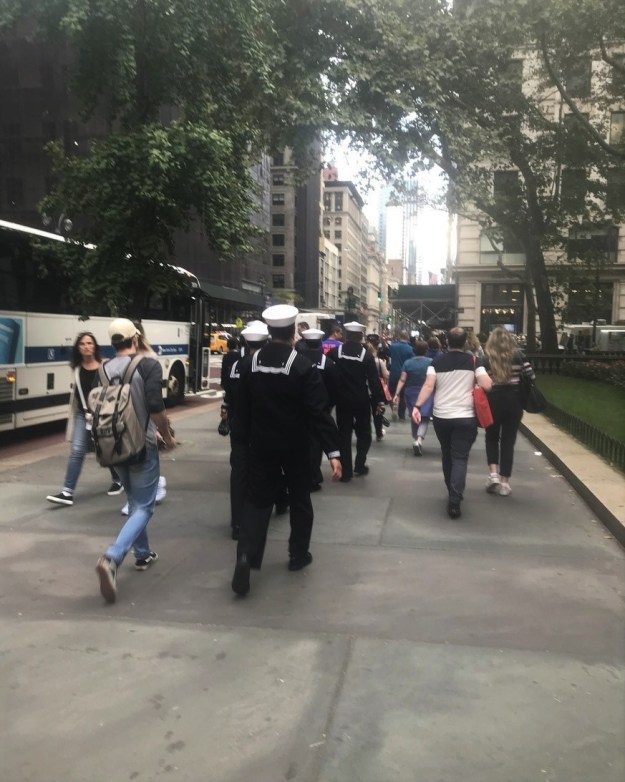
I was on a bus in Brooklyn a couple of weeks ago.

My eyes strayed to a seat across from me, and I saw that a young woman was smiling at me.

Beaming.

She had a five or six or year old boy in her lap. It was a bit different than holding a toddler in one’s lap. The boy was restless. But the mother and her son and seemed to be totally in sync.

“Is he going to school. Or he is too young for that?” I asked.

“No, he’s going to school,” she said, still smiling.

Then, I got off the bus. She waved at me and wished me a good day. It was as if we had been glad to meet.

This little encounter — unanticipated, most would say totally inconsequential — set me up for the rest of the day. It was as if somehow I had made her morning pleasurable. She certainly did that for me.

A reason I am writing about this is because this sort of thing happens to me very often in New York. I doubt such encounters would be as likely in the suburbs. (Certainly not if one were driving to work or an appointment.) Rubbing shoulders with others as a matter of course is something I love about living in NYC.

When I first moved to New York as a young man, everyone seemed to in a hurry, and the City seemed cold and impersonal.

It’s exactly the opposite. Many New Yorkers have told me that their experience has been the same.

*****************************************************

In his poem “Mannahatta,” Walt Whitman said something very similar:

Rich, hemm’d thick all around with sailships and
steamships, an island sixteen miles long, solid-founded,
Numberless crowded streets, high growths of iron, slender,
strong, light, splendidly uprising toward clear skies, …
The mechanics of the city, the masters, well-form’d,
beautiful-faced, looking you straight in the eyes,
Trottoirs throng’d, vehicles, Broadway, the women, the
shops and shows,
A million people–manners free and superb–open voices–
hospitality–the most courageous and friendly young
men,

— Roger W. Smith

   December 2018


*****************************************************

When faith finally tiptoed into my life it didn’t come through information or persuasion but, at least at first, through numinous experiences. These are the scattered moments of awe and wonder that wash over most of us unexpectedly from time to time. …

In 2013, I experienced an acceleration of those moments. This time they were not mere spooky experiences but illuminations — events that tell us about the meaning of life and change the way we see the world. One morning in April, I was in a crowded subway car underneath 33rd Street and Eighth Avenue in New York (truly one of the ugliest spots on this good green earth). I looked around the car, and I had this shimmering awareness that all the people in it had souls. Each of them had some piece of themselves that had no size, color, weight or shape but that gave them infinite value. The souls around me that day seemed not inert but yearning — some soaring, some suffering or sleeping; some were downtrodden and crying

— David Brooks, The New York Times, December 19, 2024


additional comments of my own:

I was on the Q58 bus going home a couple of months ago. My eyes usually roam to momentarily scan the passengers. There were two young Asian women seated a couple of seats behind me. I didn’t take notice of them, but they got up to leave before my stop and as they passed me one of the women, young and attractive, smiled at me. It was such a warm, genuine, wholesome smile; it came unexpectedly and infused me with a warm feeling.

— Roger W. Smith, December 2024


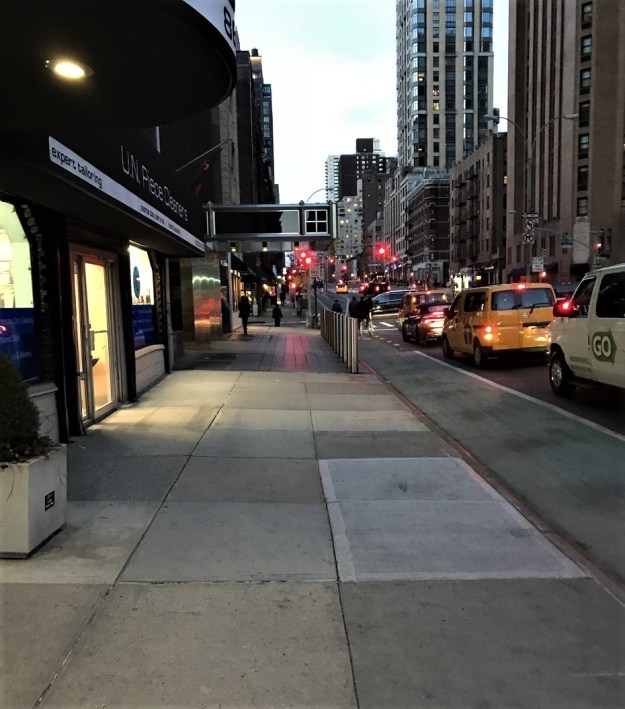
Sixth Avenue on a rainy afternoon; Herman Melville


Sixth Avenue 4-23 a.m. 11-30-2018

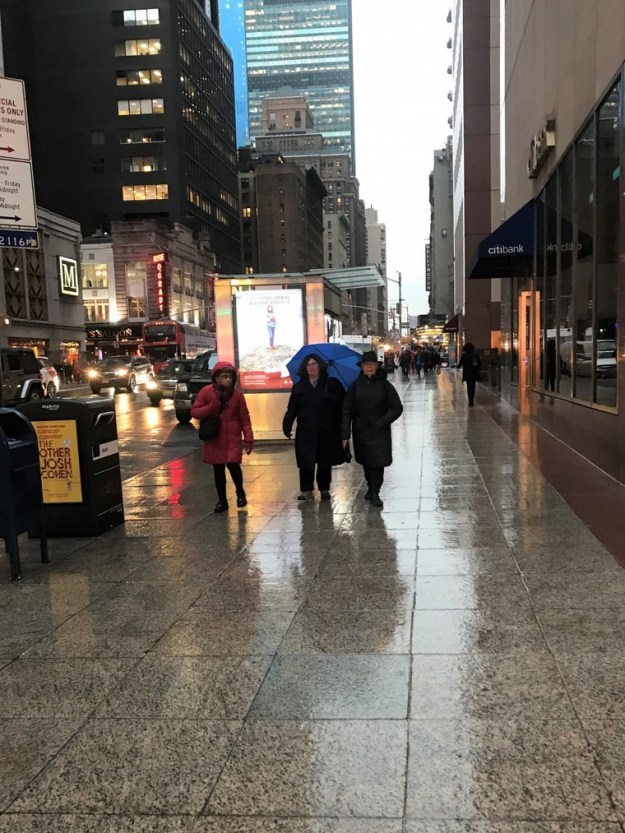
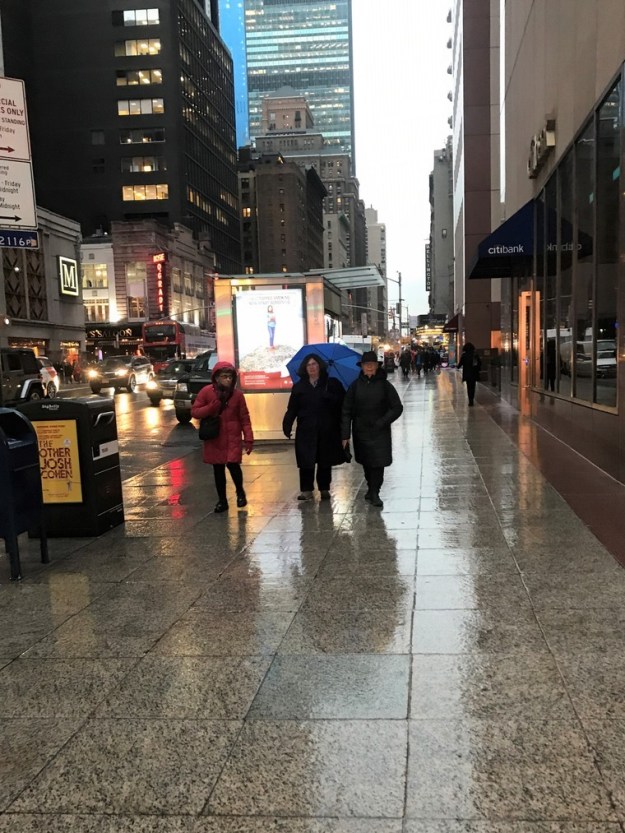
Sixth Avenue, New York City; Friday afternoon, November 30, 2018

I took this photo of Sixth Avenue on my way home on Friday afternoon.

It’s been raining a lot in the City this week.

Rain can be a slight inconvenience, like other weather phenomena, but I never really minded it. It can be “nice.”

When I was very young, my mother took me once to my eye doctor, Dr. Johnson, in Boston on a weekday. We went by subway.

The appointment lasted a long time. Going home in the late afternoon, it was dark and rainy. I didn’t mind. I loved having my mother all to myself. When we got home, she put me to bed. She was so kind. She kept saying that I was cold and wet and that I must be very tired: it had been such a long day and we got home late.

Re this photo of Sixth Avenue, this street scene, it reminds me of Herman Melville’s words (in Moby-Dick): “a damp, drizzly November in my soul.”

Thanks to the Good Lord that it came upon me once when I was first living in NYC to read Moby-Dick, in a library copy. What a book!

THE Great American Novel.

*****************************************************

Whenever I find myself growing grim about the mouth; whenever it is a damp, drizzly November in my soul; whenever I find myself involuntarily pausing before coffin warehouses, and bringing up the rear of every funeral I meet; and especially whenever my hypos get such an upper hand of me, that it requires a strong moral principle to prevent me from deliberately stepping into the street, and methodically knocking people’s hats off—then, I account it high time to get to sea as soon as I can.

— Herman Melville, Moby-Dick; CHAPTER 1. “Loomings.”


— Roger W. Smith

   December 2, 2018

Shorakkopoch


Shorakkopoch stone.jpg

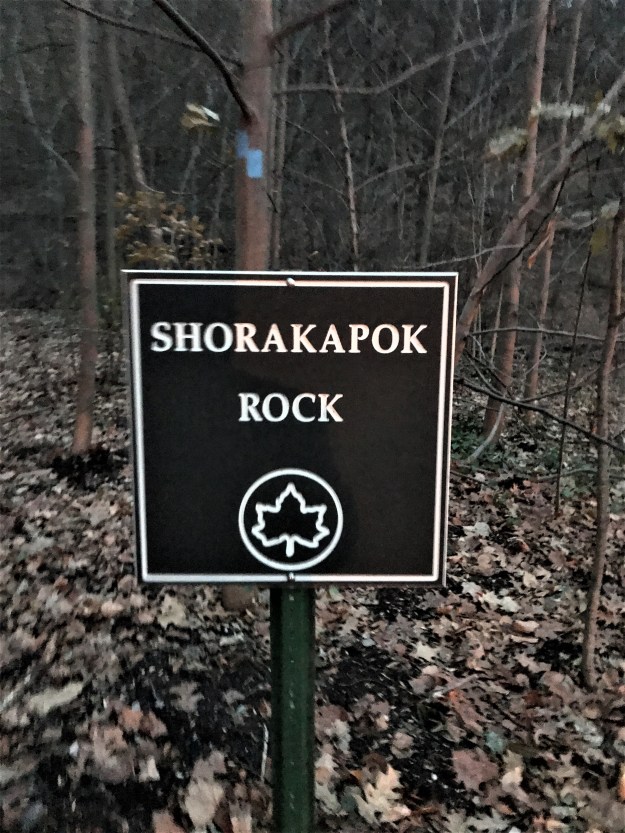
Shorakkopoch (also spelled Shorakopok) stone; Inwood Hill Park, New York City

IMG_2871.JPG

imageedit_1_4755421

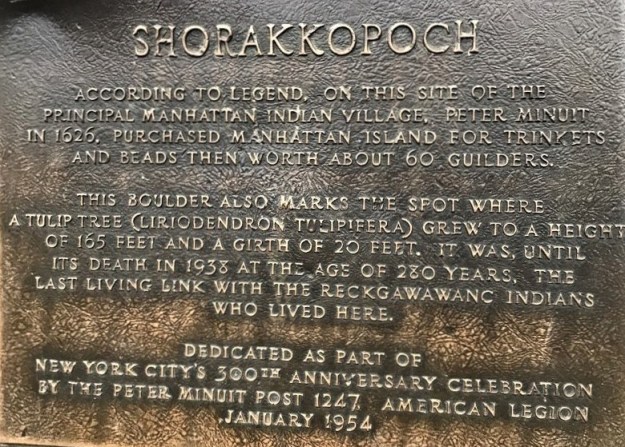
SHORAKKOPOCH

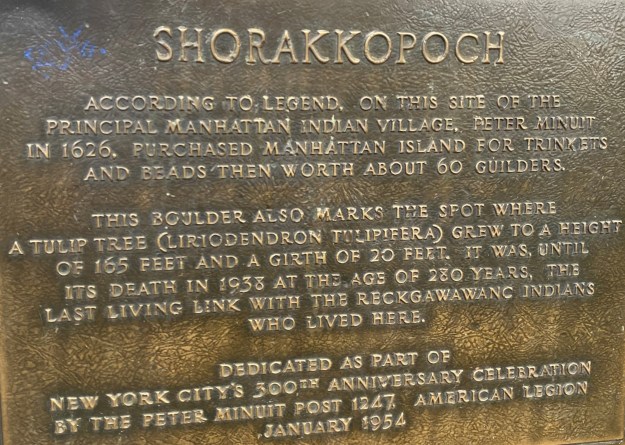
According to legend, on this site of the principal Manhattan Indian village, Peter Minuit in 1626, purchased Manhattan Island for trinkets and beads then worth about 60 guilders.

This boulder also marks the spot where a tulip tree (Liriodendron Tulipiera) grew to a height of 165 feet and a girth of 20 feet. It was until its death in 1938 at the age of 280 years. the last living link with the Reckgawawanc Indians who lived here.

Dedicated as part of New York City’s 300th anniversary celebration by the Peter Minuit post 1247, American Legion January 1954.

*****************************************************

This marker is in Inwood Hill Park in Upper Manhattan, where I was walking yesterday. It’s a beautiful spot, and I can imagine what it was like for the Indians who lived there (sadly, once, no more).

The stone is easy to miss. It’s on one of the paths in the forested area of the park.


— Roger W. Smith

  November 28, 2018

New York sunlight (and New York joys)


“The grass that grows by absorbing the life-giving energy of the sun becomes [in Walt Whitman’s Leaves of Grass] a metaphor of ‘the ceaseless springing forth of life from death.’” — David S. Reynolds, Walt Whitman: A Cultural Biography (New York: Alfred A. Knopf, 1995), pg. 240


*****************************************************

My longtime friend Bill Dalzell, who for many years lived in New York City, introduced me to so many things when I first came to New York in the late 1960’s.

Among other things, Bill introduced me to cinema and art. We made several trips together to the Metropolitan Museum of Art.

Bill, a New York transplant from a suburb of Pittsburgh, where he grew up, was — like many having adopted New York City as their home, including myself — an enthusiast of all New York had to offer. He knew all the inexpensive, interesting things to see and do in the City.

Bill used to say: “Would you care to hear me sing the praises of New York?” He used to marvel at the fact that so many people of all races and nationalities lived cheek by jowl in harmony. At the richness of culture. At the convenience of things such as getting around. At how much the City had to offer at what were then modest prices.

Admission to the Metropolitan Museum of Art was free. The main branch of the New York Public Library was open 365 days a year. The subway and bus fares were 20 cents. So was the Staten Island ferry, one of the fun, vivifying, and inexpensive things he enjoyed doing. (We would get off on the Staten Island side, walk around a bit, have a cup of coffee, and take the ferry back to Manhattan.) A meal of wholesome, plain food at the Automat (where Bill used to love to sit and drink coffee while lost in thought) could be had for less than a dollar. A glass of beer in a bar was 20 cents, and usually every third beer was on the house. Films cost less than two dollars. Rents were cheap. Bill paid twenty-nine dollars a month for a one-bedroom apartment on East 5th Street.


*****************************************************

Bill introduced me to the paintings of Edward Hopper, one of his favorite painters. (Hopper’s paintings are, for the most part, exhibited in New York museums.) Bill and I, at his suggestion, made a one-day excursion to Nyack, NY to view Hopper’s birthplace.

During our museum trips, he pointed out how Hopper made use of light.

“The light is different in America,” Bill would say. (He had traveled practically everywhere in the world on a limited budget.) By “different,” Bill meant brighter. More brilliant. Yes. Brilliant light. An observation which I do believe to be true. I have observed and thought about this often.

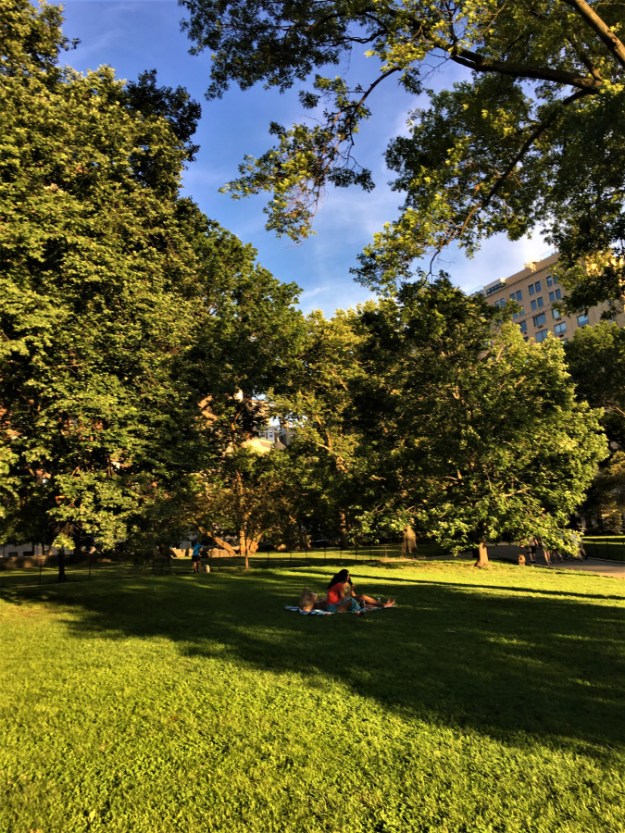
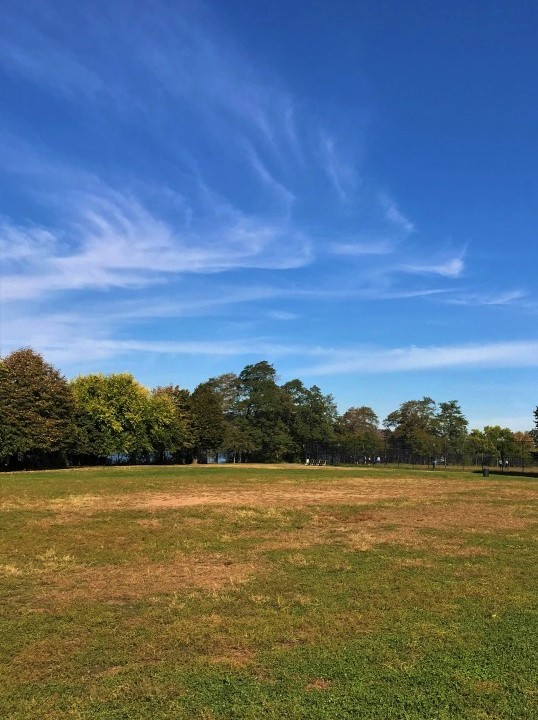
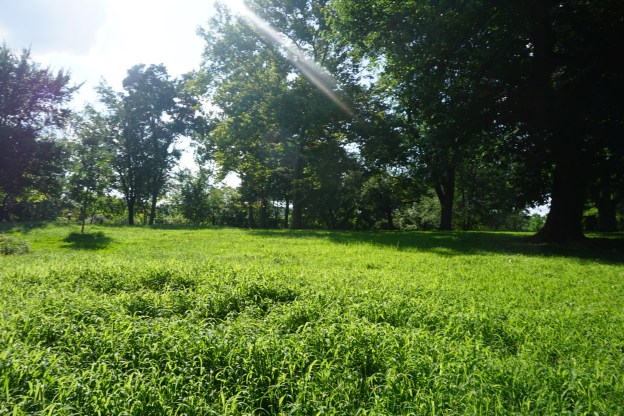
I have come over the years to be myself fascinated by light. Early morning light, daylight, late afternoon light. The light hitting the grass. Different shades of light and degrees of brightness. Summer light. Autumn light. Winter light.

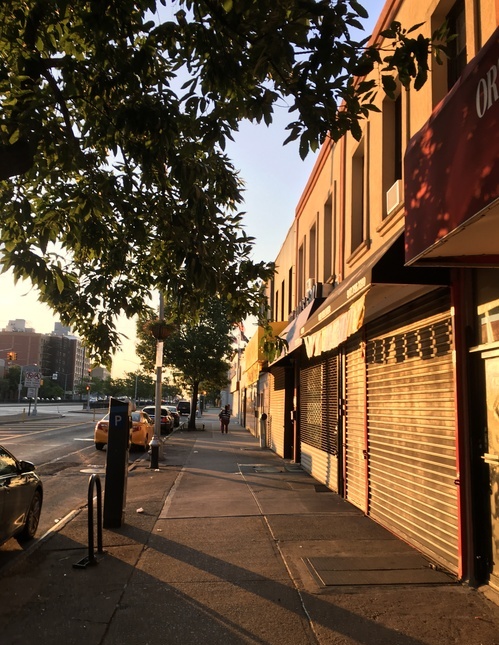
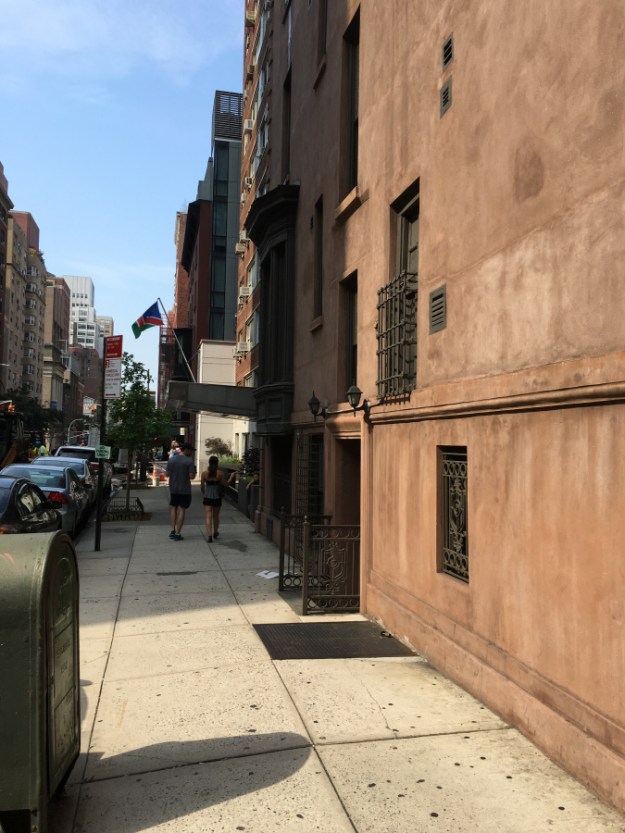
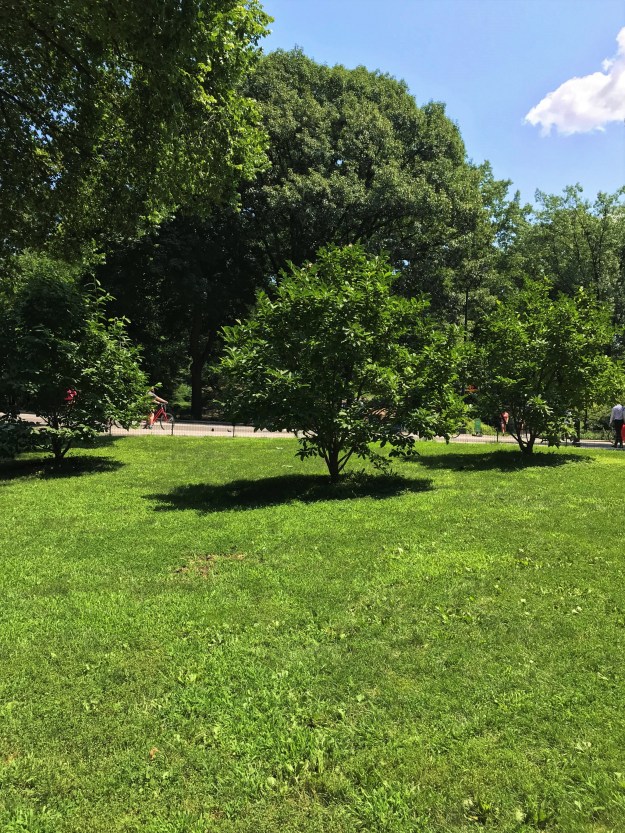
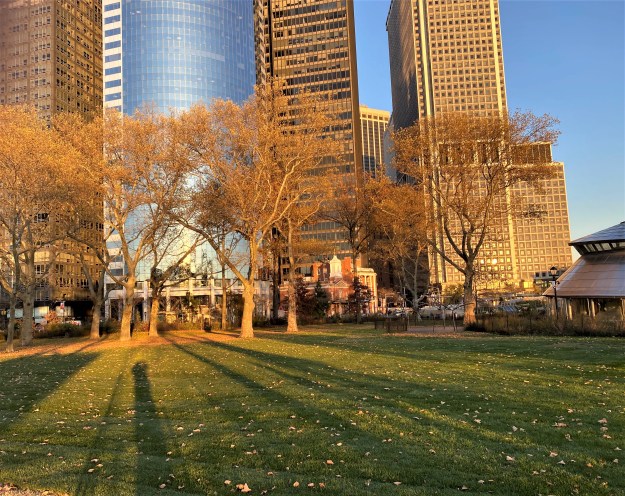
While I would and could never aspire to be an artist — I have no innate talent and only a limited appreciation of the visual arts — I have been taking photographs in the City in parks, on the shorelines, and of houses and streets on my walks, I have posted below some photographs of mine in which an appreciation of sunlight as viewed from ground level is expressed in the photo. I am fascinated by the quality of sunlight in different seasons and at different times of the day.

— Roger W. Smith

   July 2018


*****************************************************

Addendum:

Some relevant information about Edward Hopper.

Most of Hopper’s figure paintings focus on the subtle interaction of human beings with their environment-–carried out with solo figures, couples, or groups. His primary emotional themes are solitude, loneliness, regret, boredom, and resignation. He expresses the emotions in various environments, including the office, in public places, in apartments, on the road, or on vacation. … In many Hopper paintings, the interaction is minimal.

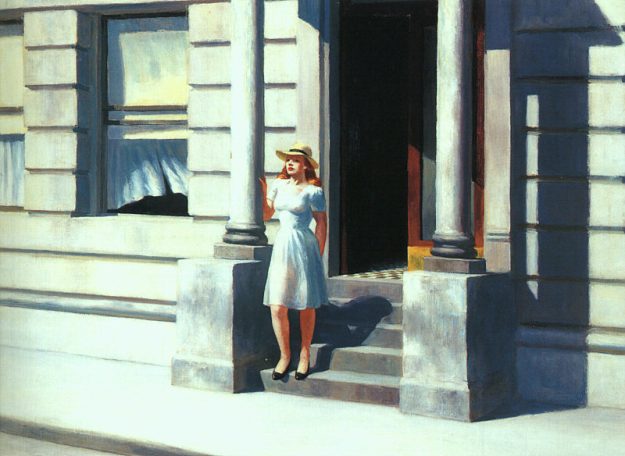
The effective use of light and shadow to create mood is central to Hopper’s methods. Bright sunlight (as an emblem of insight or revelation), and the shadows it casts, also play symbolically powerful roles in Hopper paintings such as “Early Sunday Morning” (1930), “Summertime” (1943), “Seven A.M.” (1948), and “Sun in an Empty Room” (1963).

Hopper always said that his favorite thing was “painting sunlight on the side of a house.”

Although critics and viewers interpret meaning and mood in his cityscapes, Hopper insisted “I was more interested in the sunlight on the buildings and on the figures than any symbolism.” As if to prove the point, his late painting “Sun in an Empty Room” (1963) is a pure study of sunlight.

“Edward Hopper,” Wikipedia

https://en.wikipedia.org/wiki/Edward_Hopper

It should be noted that the American landscape painter Winslow Homer did similar things with sunlight in his remarkable paintings.


*****************************************************

photographs by Roger W. Smith

1 - Woodside, Queens

Woodside, Queens

2 - Murray Hill

Murray Hill

3- Madison Square Park

Madison Square Park

Madison Square Park 2-23 p.m. 7-27-2018

Madison Square Park

4 - Central Park

Central Park

Central Park 11-44 a.m. 11-6-2019.jpg

Central Park

Central Park 12-38 p.m. 8-5-2018.JPG

Central Park

Battery Park on a November afternoon

fall light, Central Park

5 - Riverside Park

Riverside Park

6 - Inwood Hill Park

Inwood Hill Park

7 - Inwood Hill Park

Inwood Hill Park

Isham Park 4-43 p.m. 8-9-2018.JPG

Isham Park, Indwood

All of these photos were taken in New York City.

*****************************************************

Posted here below are some famous paintings of Edward Hopper that show his preoccupation with light and his mastery of representing it visually.

1-hopper-early-sunday2 - Cape Cod3 - stoop, summertime4- Cape Cod evening5- seven am6 - house by sea


*****************************************************

Edward Hopper’s birthplace

Hopper's birthplace.jpg

Edward Hopper birthplace, Nyack, NY


when a man is tired of New York …


“I suggested a doubt, that if I were to reside in London, the exquisite zest with which I relished it in occasional visits might go off, and I might grow tired of it. JOHNSON. ‘Why, Sir, you find no man, at all intellectual, who is willing to leave London. No, Sir, when a man is tired of London, he is tired of life; for there is in London all that life can afford.’ ”

— James Boswell, The Life of Samuel Johnson, LL.D.


*****************************************************

Does repetition imply, mean, or equate to: Boredom? Weariness? Dullness?

By which I mean repeated experiences under known circumstances, such as what one experiences when one lives somewhere for a long time, or a lifetime.

Some people think that variety is the sine qua non. (“Been there, done that.”) They are constantly seeking excitement in new venues.

This is not necessarily, or not always, wrong.

But consider the following reflections of mine, based upon my own experience in New York City, where I have lived for nearly fifty years.


*****************************************************

I have my favorite haunts: the New York Public Library (the research library) at 42nd and Fifth; Central Park; the Staten Island Ferry; the Strand Bookstore; Grand Central Station; Carnegie Hall. I discovered these places — and also discovered how much I liked them over time — through word of mouth though my own peregrinations and repeated visits.

I know the best routes to walk. Just which ones produce the most pleasant “jaunting experience.” Which Manhattan avenue to take, for example, depending upon my mood and other circumstances. The best ways to get from Queens or Brooklyn to Manhattan by foot, with the most pleasant (and, conversely, least pleasant) avenues, neighborhoods, or bridges to walk on or through.

I know who are the most helpful reference librarians at the New York Public Library. I know that the main reading room is the place for me and have a favorite place to sit there. I know which entrance is best to use and where the elevators are.

I know the best items to choose on the menu at one of my and my wife’s favorite restaurants (which, of course, reflects my own preferences).

I know how often and at what times Staten Island ferries run.

I have other favorite places and establishments. Continually going to them works for me, and it will work for you.


*****************************************************

I first met my lifelong friend Bill Dalzell, who recently passed away, in the late 1960’s when I was employed in Manhattan. I was new to the City, and it was one of my first jobs.

Bill, like most Manhattanites, had been born and raised elsewhere. He had come to New York City in the 1950’s, at around the same age as I was when we met.

Bill absolutely loved New York. (He did, at a later age, move elsewhere.) He was always singing its praises.

The things that appealed to him about the City also appealed to me. The sense of freedom — no one watching you and (possibly) expressing disapproval of your activities; the fact that you could live alone or be alone — that it would not be considered abnormal* and you could find plenty of things to do alone and keep you interested even if you had no one else to do them with; the walkable streets; the awesome cultural resources (films, theaters, museums, and libraries).

Bill had his favorite haunts: The Metropolitan Museum of Art, the Thalia and Elgin movie houses, the Staten Island ferry, the automat. Years later, having lived in New York almost continuously since then, I have my own favorite places and things to do.

Bill loved to go to The Metropolitan Museum of Art on weekends. Admission was free back then. Upon arrival, he would go to the cafeteria and sit there for a couple of hours with a cup of coffee, in contemplation. Then he would visit his favorite exhibits. He said that the museum seemed like a cathedral to him and that going there was his equivalent of going to church.

He exulted over the fact that the New York Public Library’s main branch was open (then) 365 days a year, even on Christmas Day!


*****************************************************

Inner peace. Contemplation. That’s what you experience when you are comfortable somewhere (such as the Met Museum cafeteria or some other place, such as a park bench or an automat), as was the case with Bill musing over his cup of coffee; when you feel you belong. Being comfortable with the externals, from repeated experience, you can relax and not worry about them. And, in New York one often gets this feeling: that you belong there as much as anyone else. Besides a feeling of belonging, the comfort comes from knowing what to expect. And being able to anticipate pleasure, which is almost a given.

What is it about such places that makes one want to return again and again?

One thing I would assert is that it’s an automatic thing — sort of like (to use a buzzword) being on autopilot. Once you start going someplace a lot, you feel, naturally, at home there. You know how to get the most out of it. You know just what things about it you like best and how to savor and enjoy to the fullest those things.

Let’s say it’s the library. You will have your favorite divisions and rooms (in a large library like the main branch of the New York Public). You may know of certain staffers who are particularly helpful. You may like certain places to sit or even certain corridors and stairwells to use.

Say it’s the Oyster Bar Restaurant in Grand Central Station. You know which entrees you like the most and which of the available draft beers, and what they cost. You have your favorite waiters. You know where and in which room you like to be seated, and whether at a table or a counter (and then, which counter? there are more than one). You know which point of entry from the labyrinthine Grand Central Station is most convenient.

In Central Park, there are certain walkways and paths I like to take.

I know which points along the Brooklyn Bridge I like the best (the boardwalk, for example); the best ways to approach it as a pedestrian walking in Manhattan; the most fun things to do (talk with people or just observe them having a good time, which one can enjoy vicariously; take pictures; sit on a bench on the boardwalk, etc.).

The Strand Bookstore? I know where I want to browse. I know when it is open. I know how the books are arranged and in what sections.

The New York City subways? (I didn’t mention them before.) I know the best routes which involve the least hassle, the stations and lines to avoid and those that I prefer.

So, FAMILIARITY is a big factor.

As is REPETITION.


— Roger W. Smith

   May 2018


* Regarding the delicious sense of anonymity associated with living in New York — of being part of a crowd but not singled out — an experience I once had when living elsewhere seems relevant. I worked for about a year and a half at a psychiatric hospital in Stamford, Connecticut, a city not far from New York. One spring day, when walking home from work, I stopped in a park that was on my route. I sat there for a while — I think it was on a park bench — in contemplation. It was a leisurely walk home. The park was not crowded, as a New York City park usually would be, but it was not empty by any means.

A couple of days later, the head nurse on my ward said to me, “I saw you in the park the other day.” The park was about a half mile from the hospital and she had probably passed it on the way home. I could tell that her remark amounted to mild “disapproval.” She felt it was odd to see me sitting by myself in a park. If I had been with a friend or coworker, she would not have had thought anything unusual.

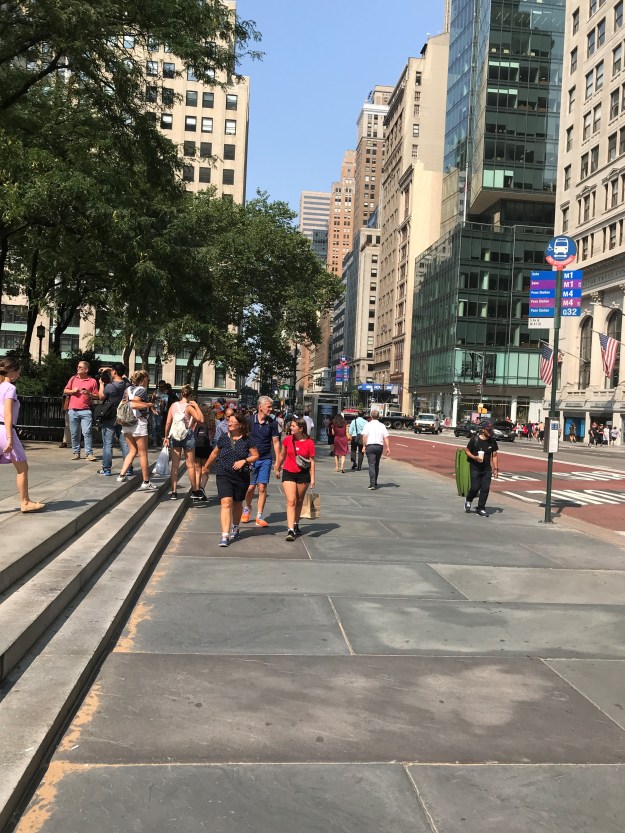
in a towered city, far from the busy hum of men


First Avenue 3-5-2018

First Avenue between 48th and 49th Streets, looking north

I had an appointment in the City this afternoon. Having been remiss about walking lately, I decided to walk home. It takes me about two and a half hours.

Walking is an excellent antidote for depression. I was depressed over two deaths that have deeply affected me: of a dear lifelong friend and of a relative my age. And I have experienced unpleasantness lately in interpersonal relationships.

The early evening, dusk, is such a peaceful time. Walking eastward on East 48th Street and northward on First Avenue, I felt this. A serenity came over me. The few people out looked unhurried and peaceful themselves. The mean-spirited persons I know seemed irrelevant, a feeling that was welcome.

One often feels a sense of excitement and pulse of unrelenting activity in Manhattan. But at other times, one almost feels a stillness akin to being far removed from what the poet Milton called “the busy hum of men.” It’s like being in the eye of a hurricane.

Don’t go on a cruise or to a remote tourist spot to escape your problems and tormentors. You’ll be walled in like a patient in an asylum. Go instead to a city, get lost in it, and walk it in the early morning or evening.


— Roger W. Smith

    March 2018

waiting for …


“New Yorkers are accustomed to waiting. They wait, usually with Job-like patience, for a long-overdue train to pull into the station. …”

— editorial, New York Times, February 28, 2018


*****************************************************

This is typical pomposity and snootiness on the part of the New York Times Editorial Board. “Job-like patience”? A ridiculous allusion meant to impress and which shows a tin ear as well as a lofty disdain for the grubby actualities of city life. And, a lack of knowledge of life as it is actually lived in the City.

Do they ever deign to themselves ride the subways along with common folk?

In their high handedness, they remain oblivious to — or perhaps just don’t want to acknowledge (because they would have less to pontificate about) — the fact that the waiting time for New York subways is incredibly short, with very few exceptions. I know. I grew up in Boston, where one often has to wait 15 or 20 minutes for a subway during peak hours (whereas, during rush hour in New York on the most heavily traveled lines, trains arrive every four to five minutes).

To affect disdain for the subway is fashionable now. No doubt, service improvements can and should be made, and upgrades are necessary. But the subway system transports millions of New Yorkers every day and is an indispensable part of city life. That it works as well as it does is a reason for rejoicing.

Yes, rejoicing. The complainers don’t realize how vital the subway is to the city. Ask riders who rely on it. Most of them can’t afford to live in Manhattan or pay for alternative forms of transportation.

Believe me, the Times editorial writers don’t care about how the little people live or what they think. They’re too busy telling the benighted masses what they think is good for them, when it is actually the opposite.


— Roger W. Smith

  February 2018

the ferry


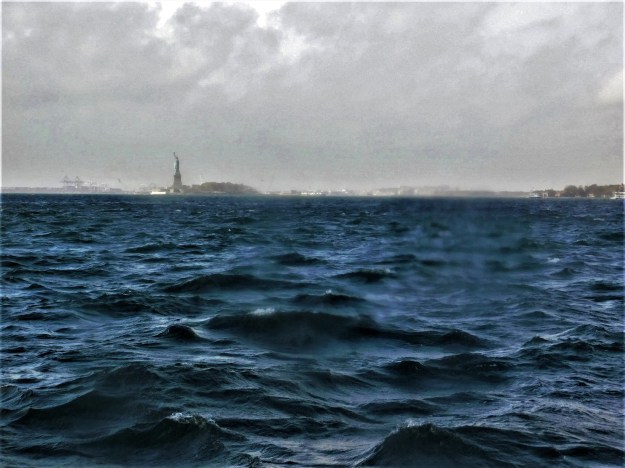
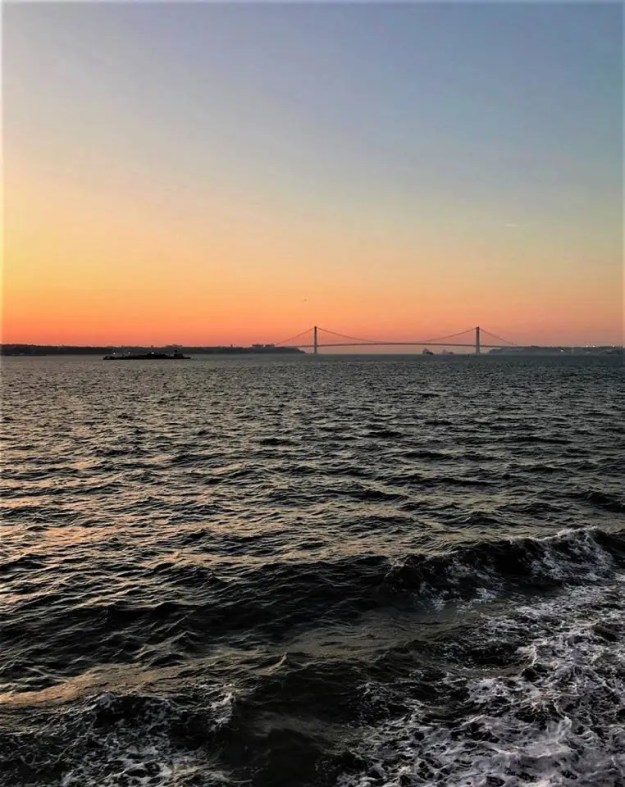
photographs by Roger W. Smith


*****************************************************

The glories strung like beads on my smallest sights and hearings—on the walk in the street, and the passage over the river;
The current rushing so swiftly, and swimming with me far away;

Just as you are refresh’d by the gladness of the river and the bright flow, I was refresh’d;
Just as you stand and lean on the rail, yet hurry with the swift current, I stood, yet was hurried;
Just as you look on the numberless masts of ships, and the thick-stem’d pipes of steamboats, I look’d.

I too many and many a time cross’d the river, the sun half an hour high;
I watched the Twelfth-month sea-gulls—I saw them high in the air, floating with motionless wings, oscillating their bodies,
I saw how the glistening yellow lit up parts of their bodies, and left the rest in strong shadow,
I saw the slow-wheeling circles, and the gradual edging toward the south.
I too saw the reflection of the summer sky in the water,
Had my eyes dazzled by the shimmering track of beams,
Look’d at the fine centrifugal spokes of light around the shape of my head in the sun-lit water,

Look’d on the haze on the hills southward and southwestward,
Look’d on the vapor as it flew in fleeces tinged with violet,

The scallop-edged waves in the twilight, the ladled cups, the frolicsome crests and glistening,

Now I am curious what sight can ever be more stately and admirable to me than my mast-hemm’d Manhattan,
My river and sun-set, and my scallop-edg’d waves of flood-tide,
The sea-gulls oscillating their bodies, the hay-boat in the twilight, and the belated lighter*;

Flow on, river! flow with the flood-tide, and ebb with the ebb-tide!
Frolic on, crested and scallop-edg’d waves!

Gorgeous clouds of the sun-set! drench with your splendor me, or the men and women generations after me;
Cross from shore to shore, countless crowds of passengers!
Be firm, rail over the river, to support those who lean idly, yet haste with the hasting current;
Fly on, sea-birds! fly sideways, or wheel in large circles high in the air;
Receive the summer sky, you water! and faithfully hold it, till all downcast eyes have time to take it from you;
Diverge, fine spokes of light, from the shape of my head, or any one’s head, in the sun-lit water;
Come on, ships from the lower bay! pass up or down, white-sail’d schooners, sloops, lighters!

— excerpted from Walt Whitman, “Crossing Brooklyn Ferry”

* A lighter is a flat-bottomed barge used to transfer cargo to and from ships in harbor.


— posted by Roger W. Smith

   January 2018