Category Archives: photographic

a Manhattan jaunt


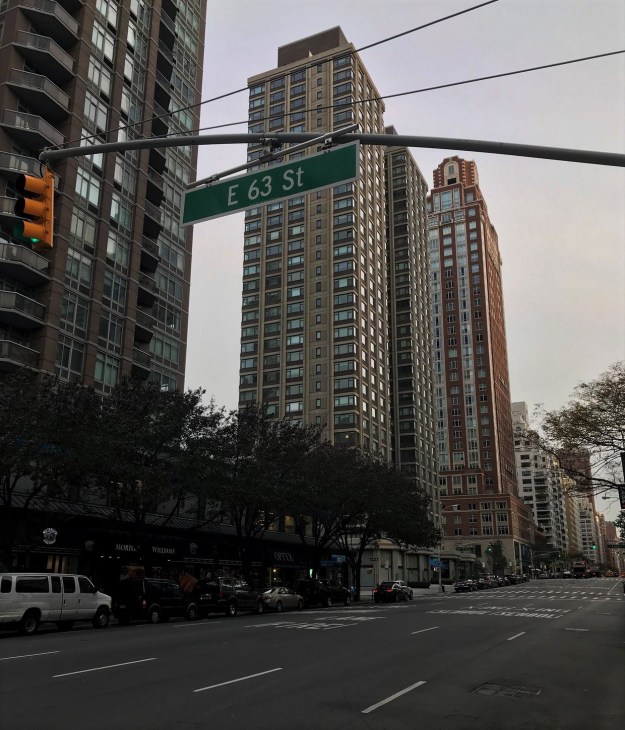
Yesterday, Sunday, November 12, I set out from my house, intending to walk the whole perimeter of Manhattan. It is a walk of around 32 miles and is said to take 12 to 15 hours. I started from 63rd Street and Second Avenue at around 7:30 a.m.

I didn’t make it. I stopped a couple of times for coffee breaks. This extended the length of my walk. By late afternoon, as darkness was coming on, I had only gotten about halfway. I was also getting tired. I would guess that I did around half the distance, a bit less. Maybe 13 or 14 miles.

If I had kept going, I would not have gotten back to my starting point, 63rd Street and Second Avenue, until probably around midnight.

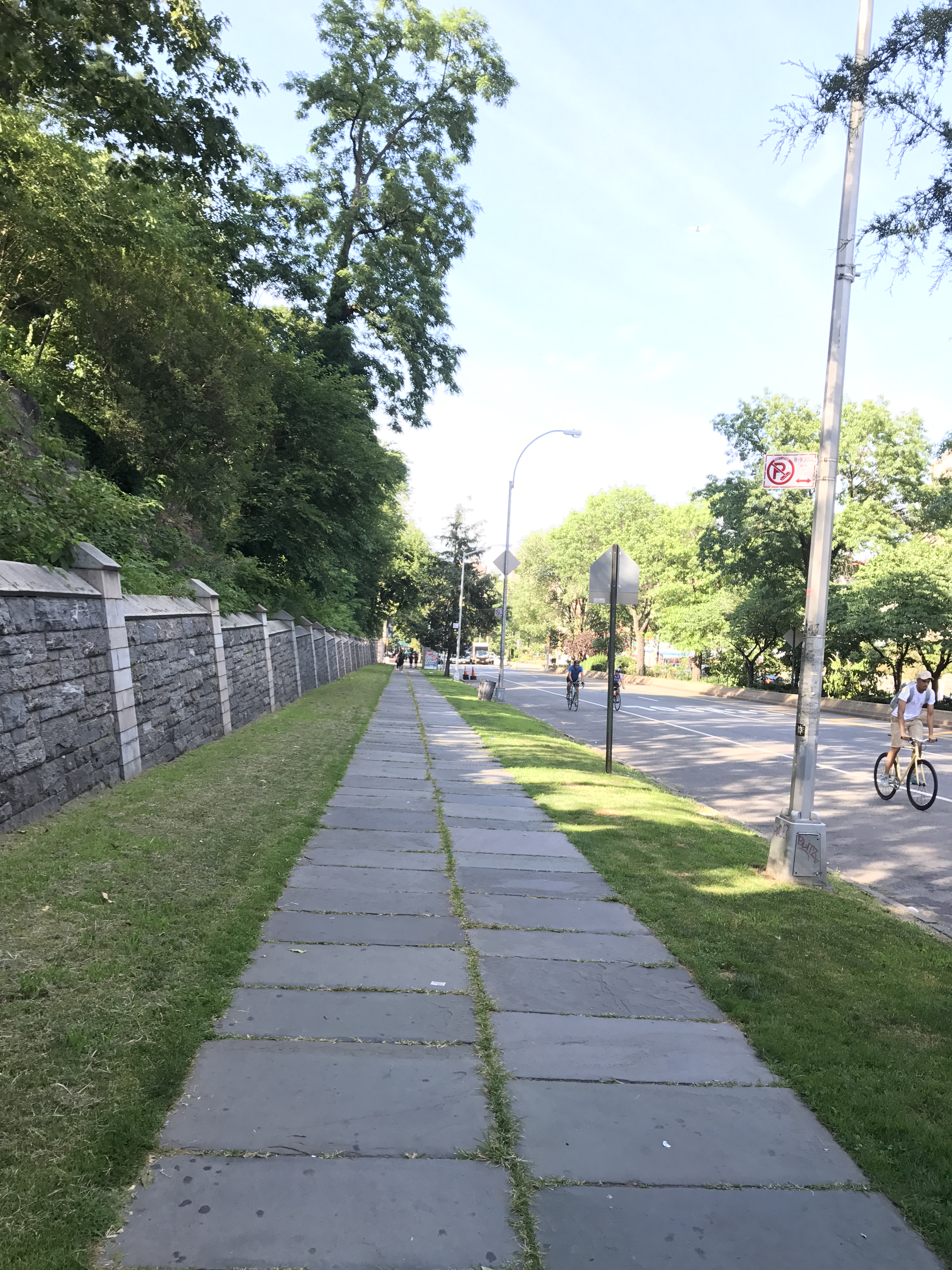
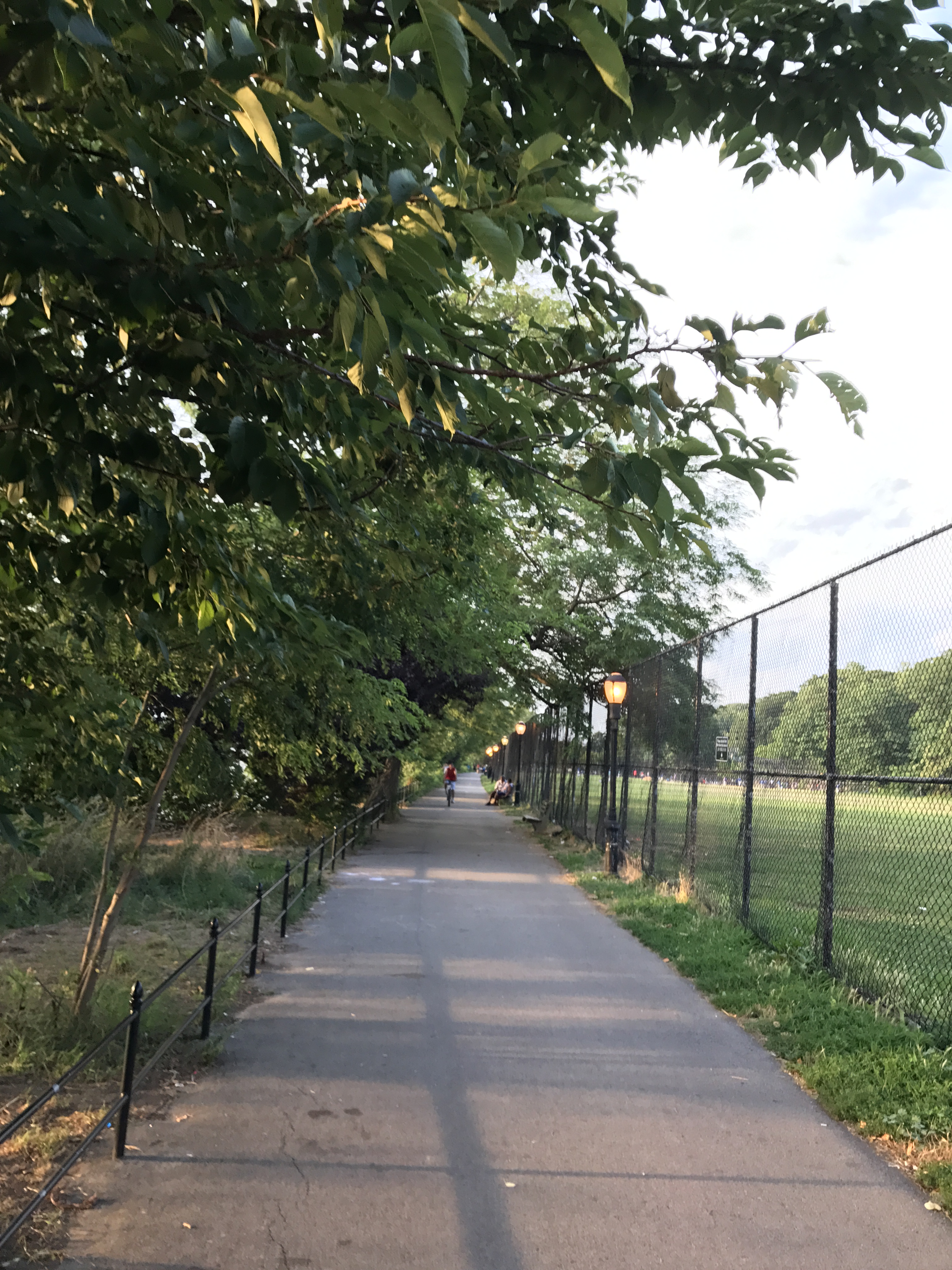
Below are some photos from my jaunt.

— Roger W. Smith

  November 13, 2017

Addendum: I have commented in several posts about what I perceive to be the beneficial health effects of walking. Yesterday was a very nice day, cold but clear and sunny. I had been feeling under the weather. For me, the best medicine for a cold is exercise and, especially, fresh air.


*****************************************************

photographs by Roger W. Smith
9954584 (2).jpg

starting point; Second Avenue at 63rd Street

IMG_9507 (2).JPG

East River, early Sunday morning

IMG_9506 (2).jpg

East 74th Street

*****************************************************

Carl Schurz Park and Gracie Mansion; Yorkville

Carl Schurz Park is located in the Yorkville neighborhood of Manhattan. The mayor’s residence, Gracie Mansion, is located there.

IMG_9529 (3).jpg

Carl Schurz Park

IMG_9541 (2)

Carl Schurz Park

1240772 (4).jpg

Gracie Mansion

IMG_9542 (2).JPG

Yorkville

IMG_9545 (4).jpg

York Avenue at 90th Street


*****************************************************

Harlem

As one progresses along First Avenue, one eventually runs into a roadblock of sorts. Not an actual roadblock, but at around 125th Street, the Harlem River impedes one’s northerly progress. One has to start veering west following the curvature of Manhattan Island. One proceeds northerly through Harlem, continually veering west.

The area of First Avenue (and avenues slightly to the west) from around 90th Street to 125th Street is very bleak. There are hardly any restaurants, business establishments, or places of interest. The occasional gas station (a rarity in most of Manhattan).

One might expect such an area to become gradually gentrified, as the rest of the City has. What seems to prevent this are the bleak housing projects, built during the 1950’s in the “slum clearance” era when the poor and minorities were as a matter of policy moved to Soviet style housing projects favored by misguided (to put it kindly) city planners. These housing blocks have no personality and are grim architecturally. There are no commercial establishments nearby.

Harlem proper, which is to say the blocks in the part of Harlem further west, is a very nice area; it is becoming (and already has become, for the most part) gentrified.


IMG_9551 (3).jpg

DSCN0005 (3).JPG


*****************************************************


Polo Grounds Towers

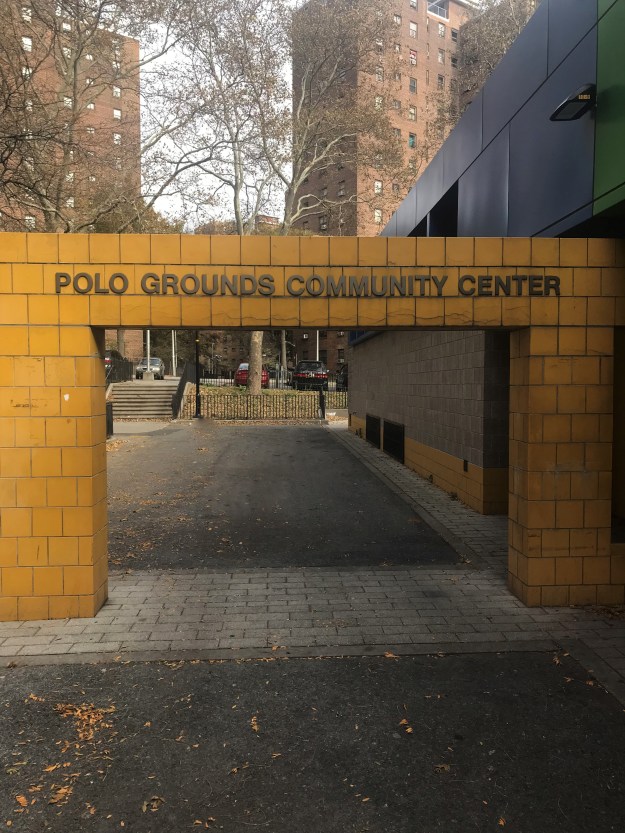
Around 155th Street as I kept veering west, I took what I thought was a through street and ended up in a cul-de-sac. I realized I was in the midst of housing project. It turned out to be the Polo Grounds Towers, site of the home of the former New York Giants baseball team. The Polo Grounds stadium, home of the Giants, was demolished in 1964.

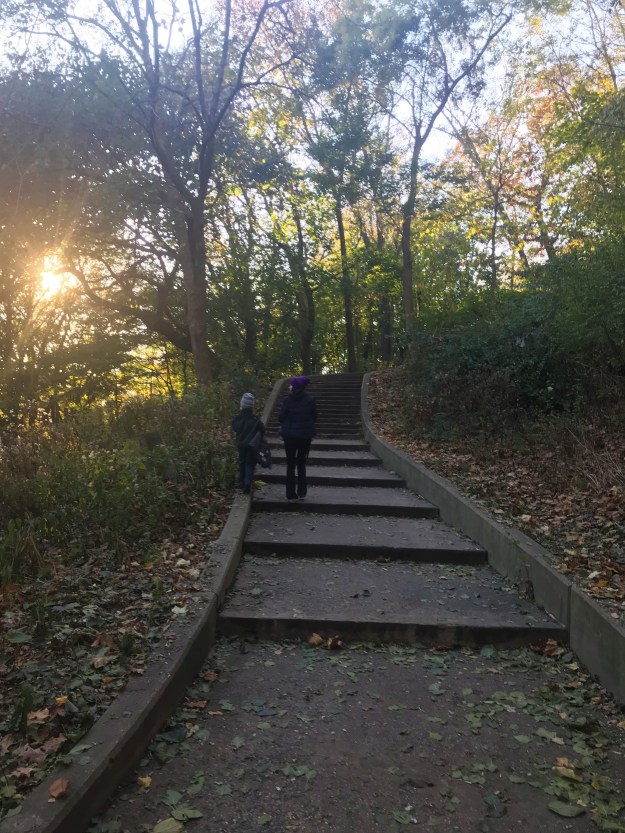
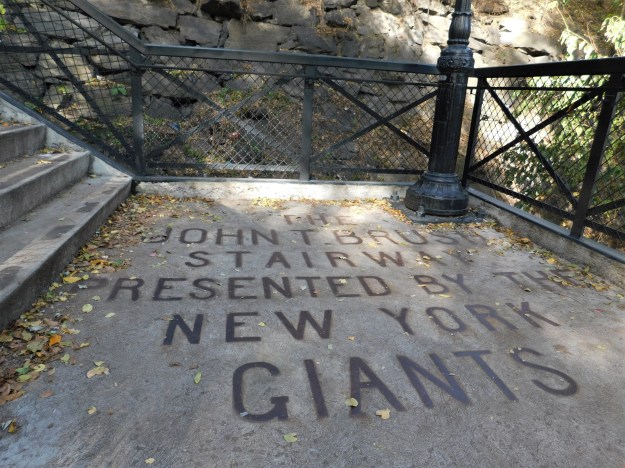
As I emerged from the housing project, I walked up a long, very steep stairway on which were painted the following words: “The John T. Brush Stairway Presented by the New York Giants.” John T. Brush (1845-1912) was one of the first owners of the New York Giants baseball team.

At the top of the stairway was Edgecombe Avenue. There was no traffic and not a pedestrian in sight. Across the street was a promontory which, though I had never been in this area before, I realized had to be Coogan’s Bluff. As noted in a Wikipedia entry, “A deep escarpment descends 175 feet from Edgecombe Avenue to the river, creating a sheltered area between the bluff and river known as Coogan’s Hollow. For 83 years, the hollow was home to the legendary Polo Grounds sports stadium.” Sportswriter Red Smith called Bobby Thomson’s homerun to clinch the 1951 pennant for the New York Giants “the miracle of Coogan’s Bluff.”
 

IMG_9564 (2).JPG

DSCN0009 (2).JPG

IMG_9565 (3).jpg

Coogan’s Bluff


*****************************************************


Washington Heights


IMG_9604 (2).JPG

IMG_9611 (2).JPG

Fort Tyron Park

IMG_9592 (2).JPG

Broadway, Washington Heights; Broadway extends the whole length of Manhattan, and further


*****************************************************

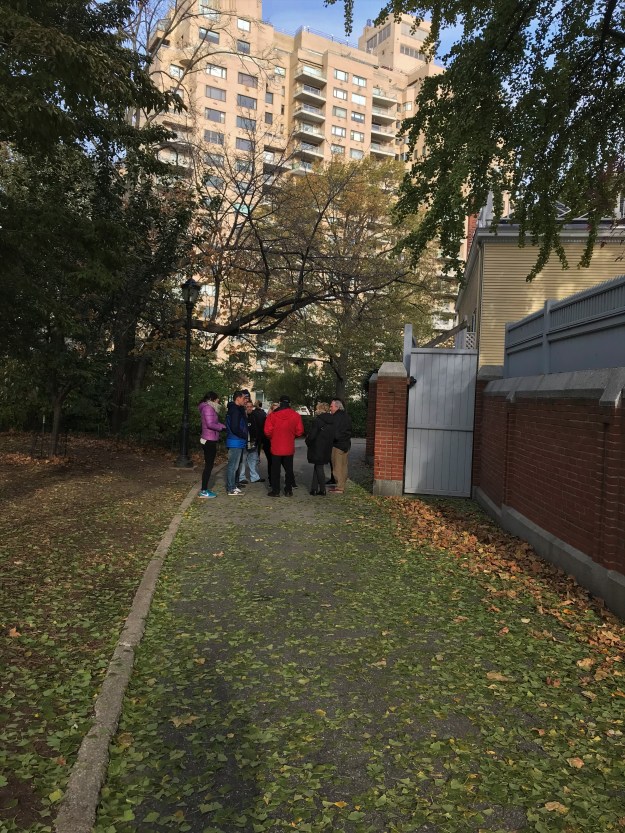
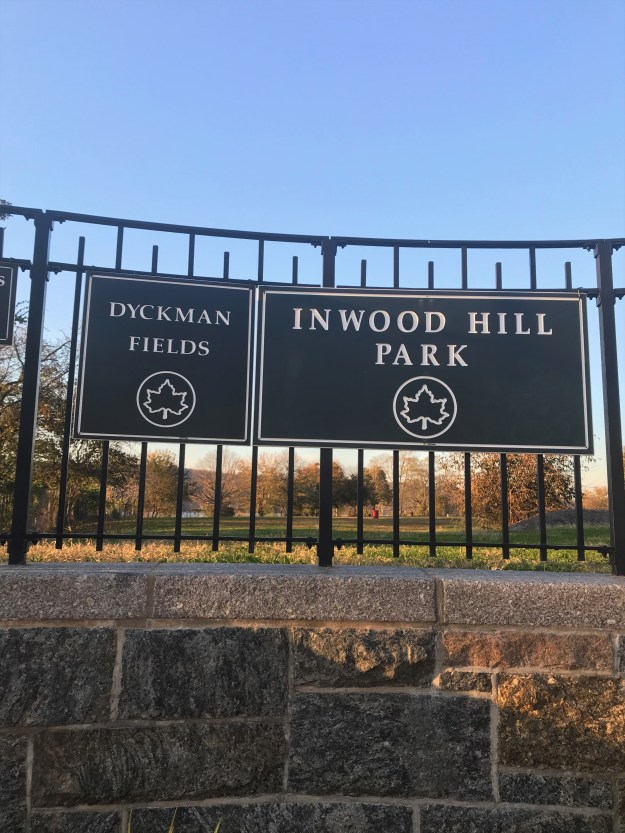
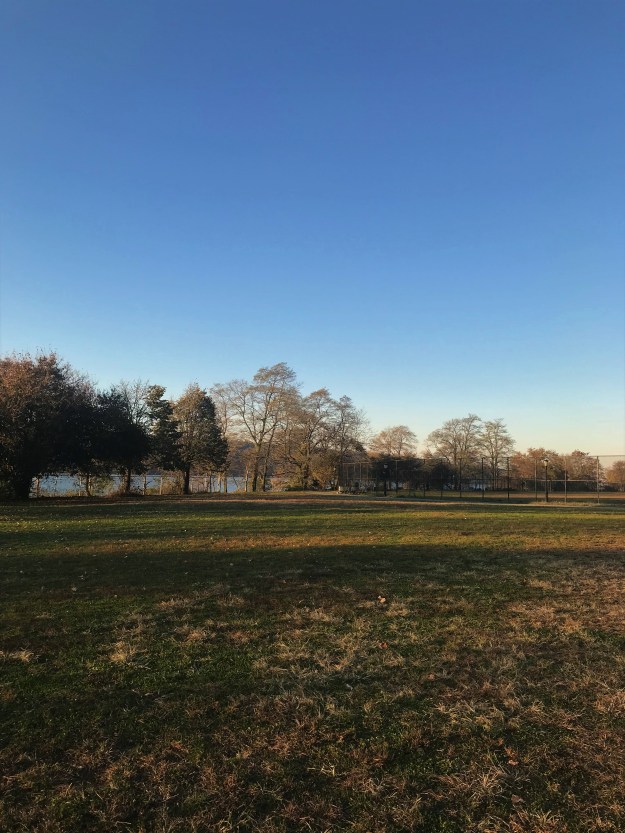
Inwood
IMG_9687 (2).JPG

Dyckman Street

IMG_9702 (2).JPG

IMG_9705 (2).JPG

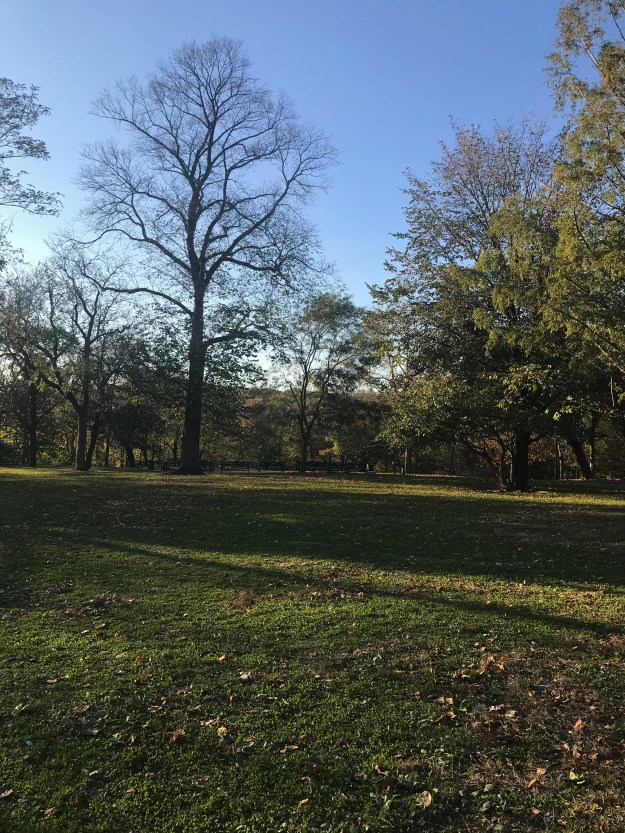
Inwood Hill Park

IMG_9758 (2).JPG

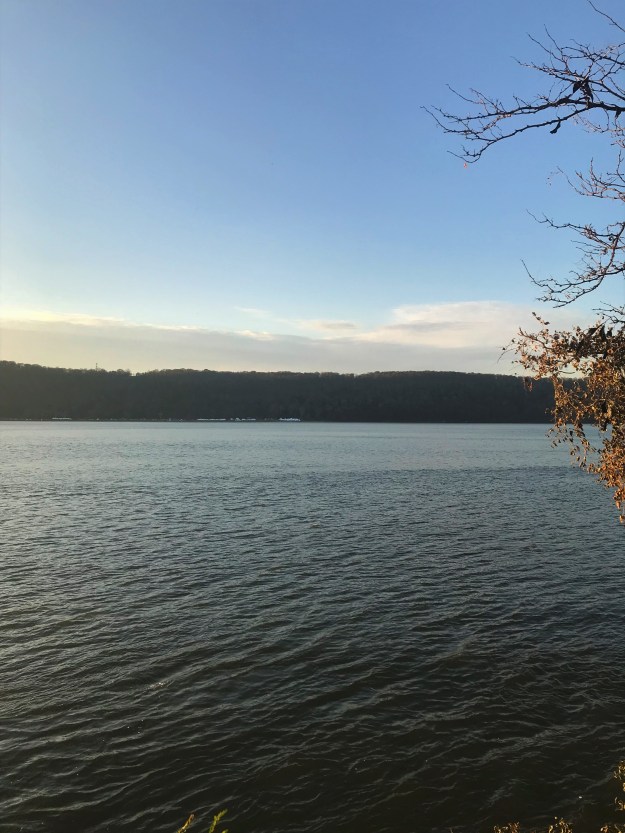
Hudson River from Inwood Hill Park

IMG_9620 (2).JPG

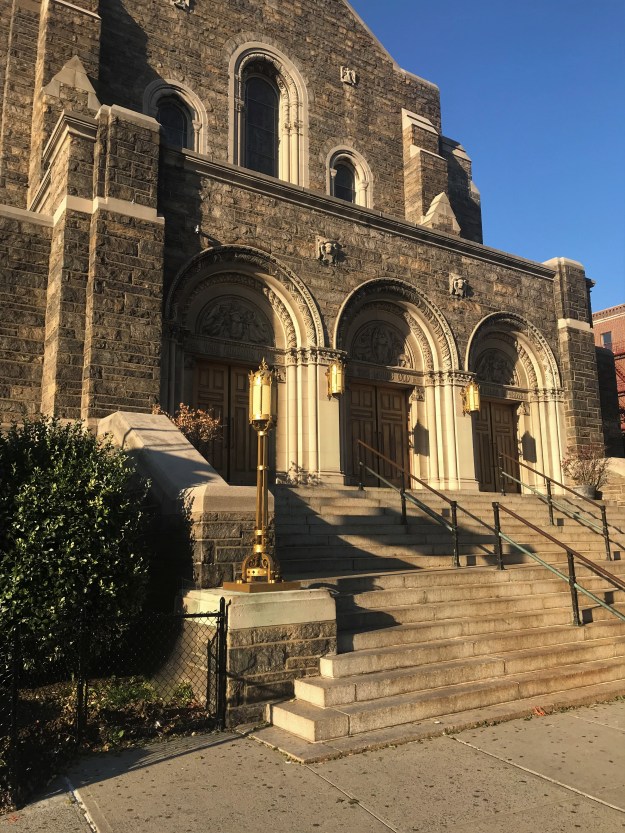
The Capuchin Franciscans of Good Shepherd church, Inwood
985952 (3).jpg

IMG_9629 (2).JPG

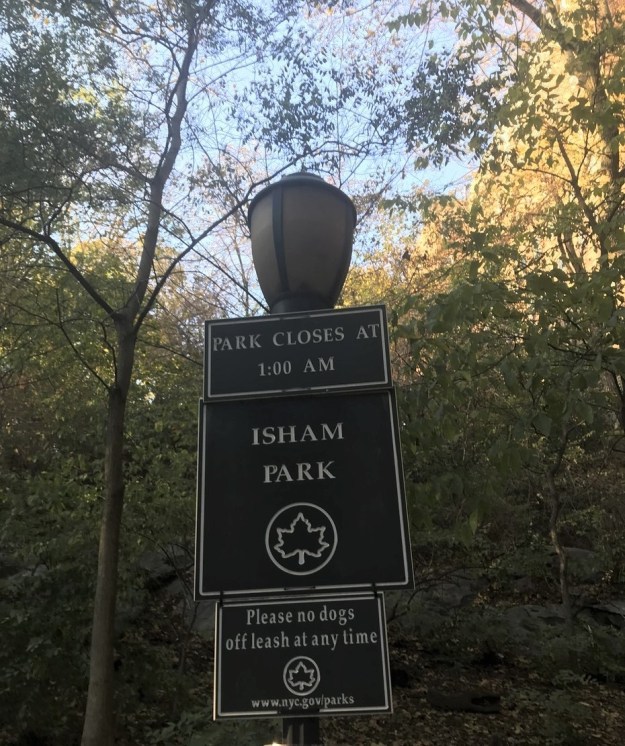
Isham Park, Inwood

IMG_9644 (2).JPG

Isham Park

IMG_9666 (4)

Broadway and 218th Street; the northernmost point of Manhattan, at the boundary between Manhattan and The Bronx

an island … a city surrounded by WATER


photographs by Roger W. Smith


*****************************************************

The photographs posted here above were all taken by me within the past few months in Manhattan, Brooklyn, and Queens, NYC.

I love skylines, love dense clouds. New York City has wonderful skylines. You can’t really see them from Manhattan, but you can from the waterside and from the outer boroughs, which have lower buildings.

It is wonderful that Manhattan is an island bounded by water: the ocean (New York Harbor), the East River, the Hudson River, the Harlem River.

One thing this does is prevent urban sprawl and the development of a megalopolis ending nowhere.

It also gives the city an almost enchanted quality or aspect.

As Herman Melville put it in Moby-Dick (Chapter 1, ‘Loomings”):

There now is your insular city of the Manhattoes, belted round by wharves as Indian isles by coral reefs—commerce surrounds it with her surf. Right and left, the streets take you waterward. Its extreme downtown is the battery, where that noble mole is washed by waves, and cooled by breezes, which a few hours previous were out of sight of land. Look at the crowds of water-gazers there.

Circumambulate the city of a dreamy Sabbath afternoon. Go from Corlears Hook to Coenties Slip, and from thence, by Whitehall, northward. What do you see?—Posted like silent sentinels all around the town, stand thousands upon thousands of mortal men fixed in ocean reveries. Some leaning against the spiles; some seated upon the pier-heads; some looking over the bulwarks of ships from China; some high aloft in the rigging, as if striving to get a still better seaward peep. But these are all landsmen; of week days pent up in lath and plaster—tied to counters, nailed to benches, clinched to desks. How then is this? Are the green fields gone? What do they here?

But look! here come more crowds, pacing straight for the water, and seemingly bound for a dive. Strange! Nothing will content them but the extremest limit of the land; loitering under the shady lee of yonder warehouses will not suffice. No. They must get just as nigh the water as they possibly can without falling in. And there they stand—miles of them—leagues. Inlanders all, they come from lanes and alleys, streets and avenues—north, east, south, and west. Yet here they all unite. Tell me, does the magnetic virtue of the needles of the compasses of all those ships attract them thither? … There is magic in it. Let the most absent-minded of men be plunged in his deepest reveries—stand that man on his legs, set his feet a-going, and he will infallibly lead you to water. … Yes, as every one knows, meditation and water are wedded for ever.


— Roger W. Smith

   October 2017

Manhattan Island from Bottom to Top; Walking as Exercise


In the spirit of Alice’s Adventures in Wonderland, I will begin with the conclusion, followed by evidence to prove my point.

Walking is a naturally beneficial form of exercise habitual since human origins. It is perfectly suited to the human body and is a form of physical activity from which it seems personal injury cannot come; hence, one can justly say that it is one hundred percent beneficial.

The body welcomes such exercise. In fact, when it is undertaken, the body seems to be saying, “give me more!” It seems to cure all kinds of nagging (but not serious) physical complaints, discomforts, and ills, such as aches and pains, and actually seems to restore energy as much if not more than depleting it.


*****************************************************

I love to walk, as was noted by me in a previous post on this blog:

“on walking (and exercise)”

https://rogersgleanings.com/2016/03/20/roger-w-smith-on-walking/

I like to think of new places and routes to walk in the City (i.e., New York City, including Manhattan and the “outer boroughs” of Brooklyn and Queens).

I keep finding new places to explore — in Brooklyn, for example. It could be a neighborhood, such as Williamsburg, or a park, such as Brooklyn Bridge Park, which I only found out about recently. I like to call my walks, playfully, “jaunts,” a favorite term used by the poet Walt Whitman.

The other day, while writing a post, “Walt Whitman on Manhattan”

Walt Whitman on Manhattan (plus my own impressions and thoughts)

I noticed that in his poem “Mannahatta,” Whitman describes Manhattan as “an island sixteen miles long.”

Yes, I thought to myself, sixteen miles long, from the southernmost point of Manhattan, Battery Park (which overlooks New York Harbor and from which boats depart regularly for the Statue of Liberty, which can be viewed from the park), to Inwood at the northernmost point of Manhattan.

Then, on Thursday evening (July 20), I saw a documentary film at the Morgan Library in Manhattan: Henry David Thoreau, Surveyor of the Soul, directed by Huey Coleman. In the film, it is noted that when Thoreau first attended a lecture by Ralph Waldo Emerson, he walked seventeen miles from Concord, Massachusetts to Boston to attend.

I had been thinking of taking such a walk myself. If Thoreau can do it, I can, I thought. I would like to see how such a long walk feels.


*****************************************************

Yesterday I walked, in around 90 degree weather, from Bowling Green, at the southern tip of Manhattan, to the northernmost point of Manhattan Island, Inwood Hill Park, where the Henry Hudson Bridge and the Spuyten Duyvil Bridge link Manhattan to the Bronx.

It took me about ten hours with a couple of pit stops.

I got up in the morning feeling sluggish and achy. I took the subway to Bowling Green, then started walking, taking a few photographs of the harbor and then starting to walk uptown.

I felt sluggish and unsteady on my feet. The heat felt oppressive. I had a pain in my right foot that had persisted for a day or two. But gradually, as my walk and the day progressed, I started feeling better.

At 3:45 p.m., I texted a friend:

have reached 96th St and Broadway

wouldn’t u know it

I seem to have more energy than when I started

my toe is not hurting any more

I feel much less achy and better overall

A couple of hours later, from 155th and Broadway, I texted my friend again, saying “I am getting tired.” I had probably walked over 15 miles already. But, I kept going. It took me over an hour more to reach Inwood Hill Park. The park is entered via Dyckman Street, which is located precisely where West 200th Street would be, were it a numbered street. I walked along the western end of the park, which skirts the Hudson, to the northern end of the park, then back to the subway.

Riding home on the subway, I felt exhausted. I was relieved to get home and after a short while fell into a deep sleep.

I woke up very early after only a few hours of sleep feeling refreshed and very energetic. I haven’t felt so good in a long time. I felt very alert and refreshed. (It is my belief that pleasurable, mentally relaxing exercise such as walking obviates neurasthenia and chronic fatigue.)


*****************************************************

Conclusion

I already said it! The body welcomes exercise. It craves it. I can often hear my “brother body” (a term used by Pitirim A. Sorokin, which he undoubtedly got from Saint Francis) telling me, “thank you; give me more.” It is not uncommon after a five to seven mile walk for me to find myself saying to myself, I could do another five miles more. And, I am not a fitness addict or fanatic.


— Roger W. Smith

   July 22, 2017


*****************************************************

IMG_7451.JPG

Battery Park

DSCN0006.JPG

New York Harbor viewed from Battery Park

IMG_7480.JPG

Sixth Avenue, Greenwich Village

IMG_7494.JPG

Broadway, Upper Manhattan

IMG_7528.JPG

Inwood Hill Park

IMG_7550.JPG

Hudson River, late evening, viewed from Inwood Hill Park

IMG_7659 (2).JPG

Inwood Hill Park, overlooking Hudson River

DSCN0032.JPG

northern tip of Inwood Hill Park, overlooking Hudson River and Spuyten Duyvil Bridge

photos by Roger W. Smith


****************************************************

Addendum: On Sunday, August 6, 2017, I reversed myself and walked from the top (northernmost point) of Manhattan Island to the bottom (Battery Park). I found that Manhattan actually ends at Broadway and 218th Street — not at 207th Street, as I had thought.

I did it faster this time. It took me about seven and a half hours.

The weather was cool for August, and I did not experience appreciable fatigue. I felt as if I could have kept going should I have had cause to.


IMG_9090.JPG

Broadway at 218th Street, 1:34 p.m.; Manhattan’s northern border

DSCN0165.JPG

Broadway at entrance to Battery Park, 8:44 p.m.; Manhattan’s southern tip; end of my Sunday walk

Such an urban space could never be created today.


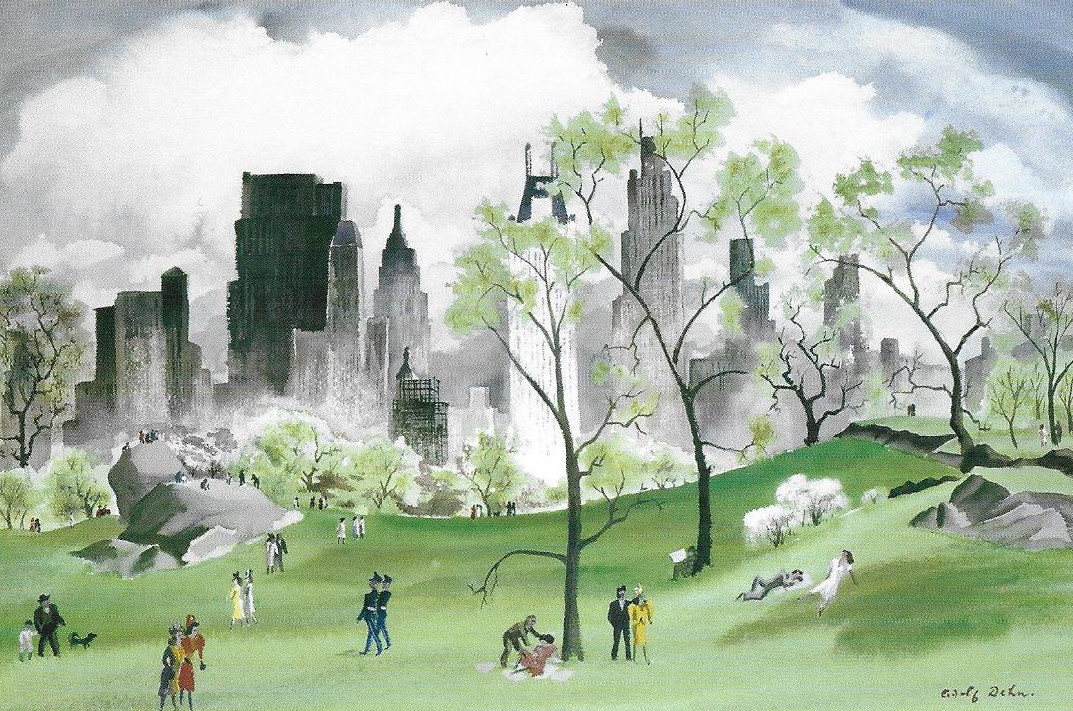
Adolf Dehn, 'Spring in Central Park'.jpg

Adolf Dehn, “Spring in Central Park”

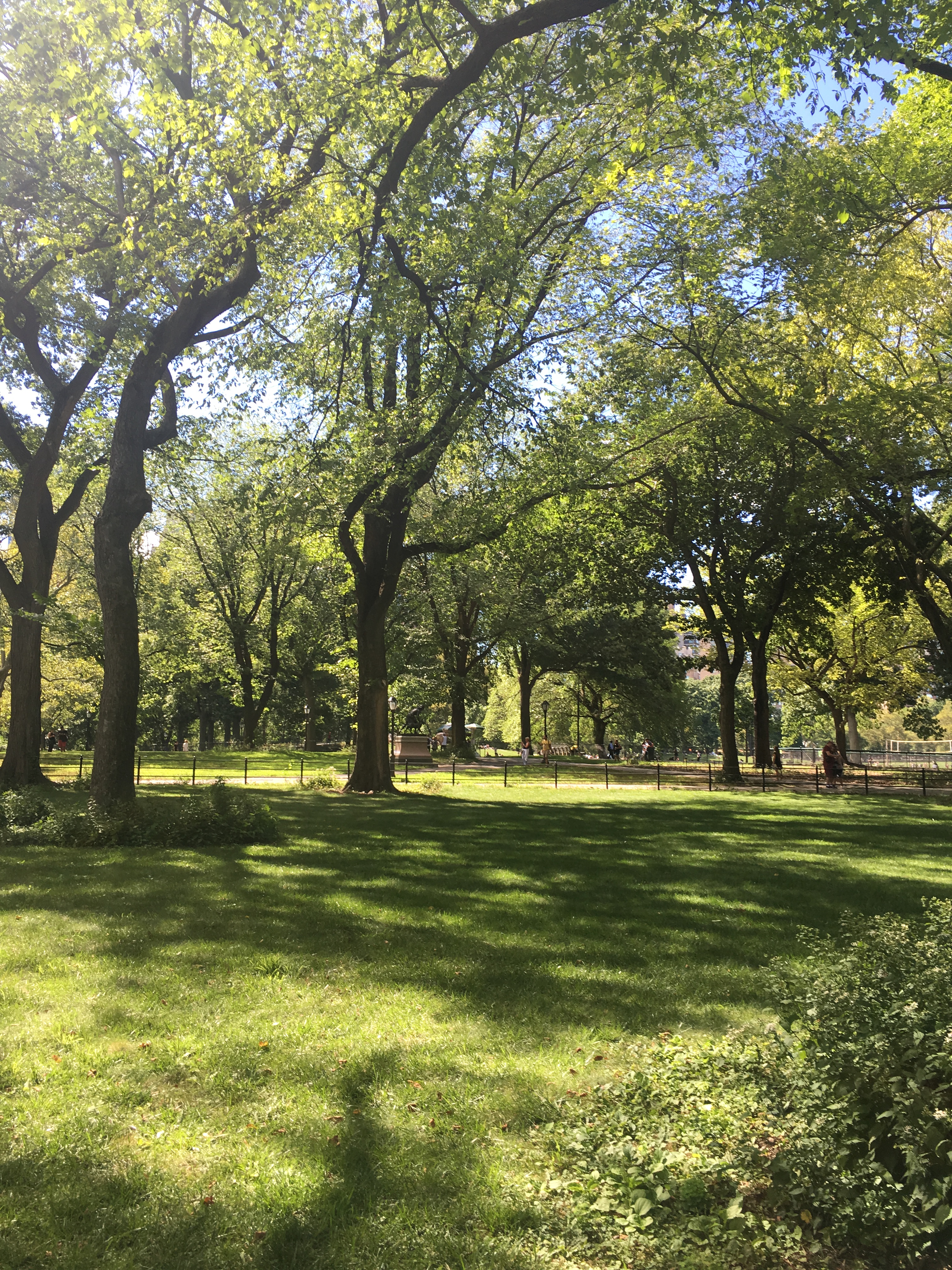
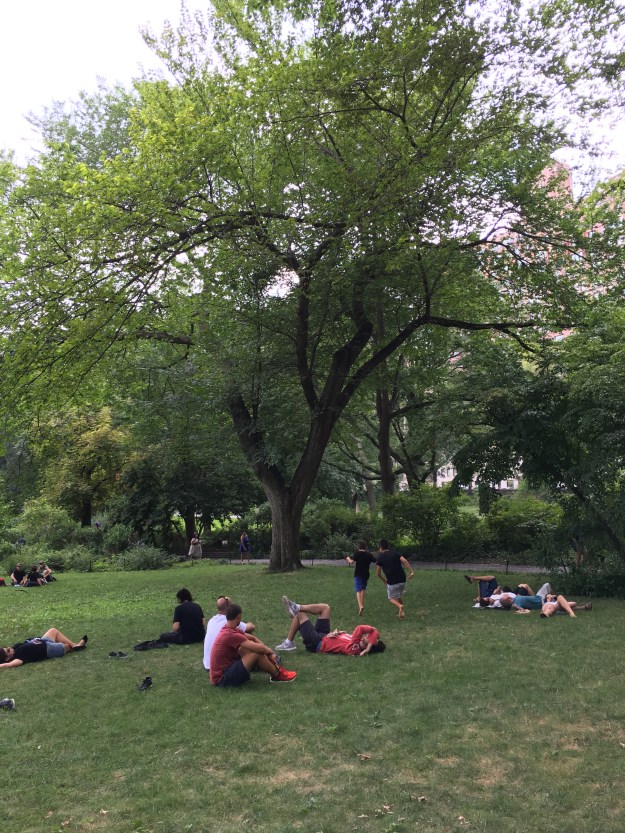
Yesterday was a beautiful late summer day. Central Park was uncrowded, quiet, and peaceful. Whole parts of it were virtually empty. It’s hard to believe that you are in the midst of Manhattan, cheek by jowl with some of the priciest neighborhoods.

Central Park was established in 1857 on 778 acres of city owned land in part of Manhattan that was at that time undeveloped.

Such an urban space could never be created today; the real estate developers would never allow it. But, then, no one can touch Central Park (though the developers would love to).

It’s sacrosanct, thank God.


— Roger W. Smith

  September 14, 2016


*****************************************************

photographs by Roger W. Smith

IMG_9111.JPG

central-park-4-04-p-m-8-8-2016

early morning light, Queens, NYC


I am not, by any stretch of the imagination, a great photographer (my niece Alison B. Smith is), but I love — am fascinated by — the quality of light on a summer morning, whether it’s in the city or the country.

Today, I made a point of going for a walk very early to see if I could catch the early morning light.


— Roger W. Smith

   August 4, 2016


photographs by Roger W. Smith

IMG_7408

6-49.JPG

also 6-54.JPG

IMG_6685

Woodside 6-52 am 8-16-2016.JPG

136591521

My Manhattan


Now I am curious what sight can ever be more stately and
admirable to me than my mast-hemmed Manhatta

— Walt Whitman


****************************************

photographs by Roger W. Smith

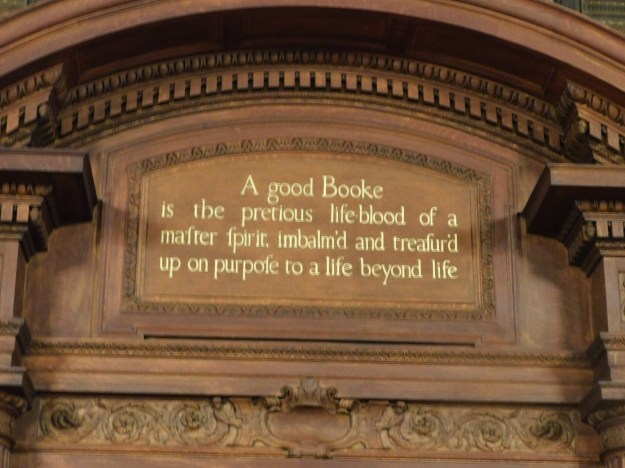
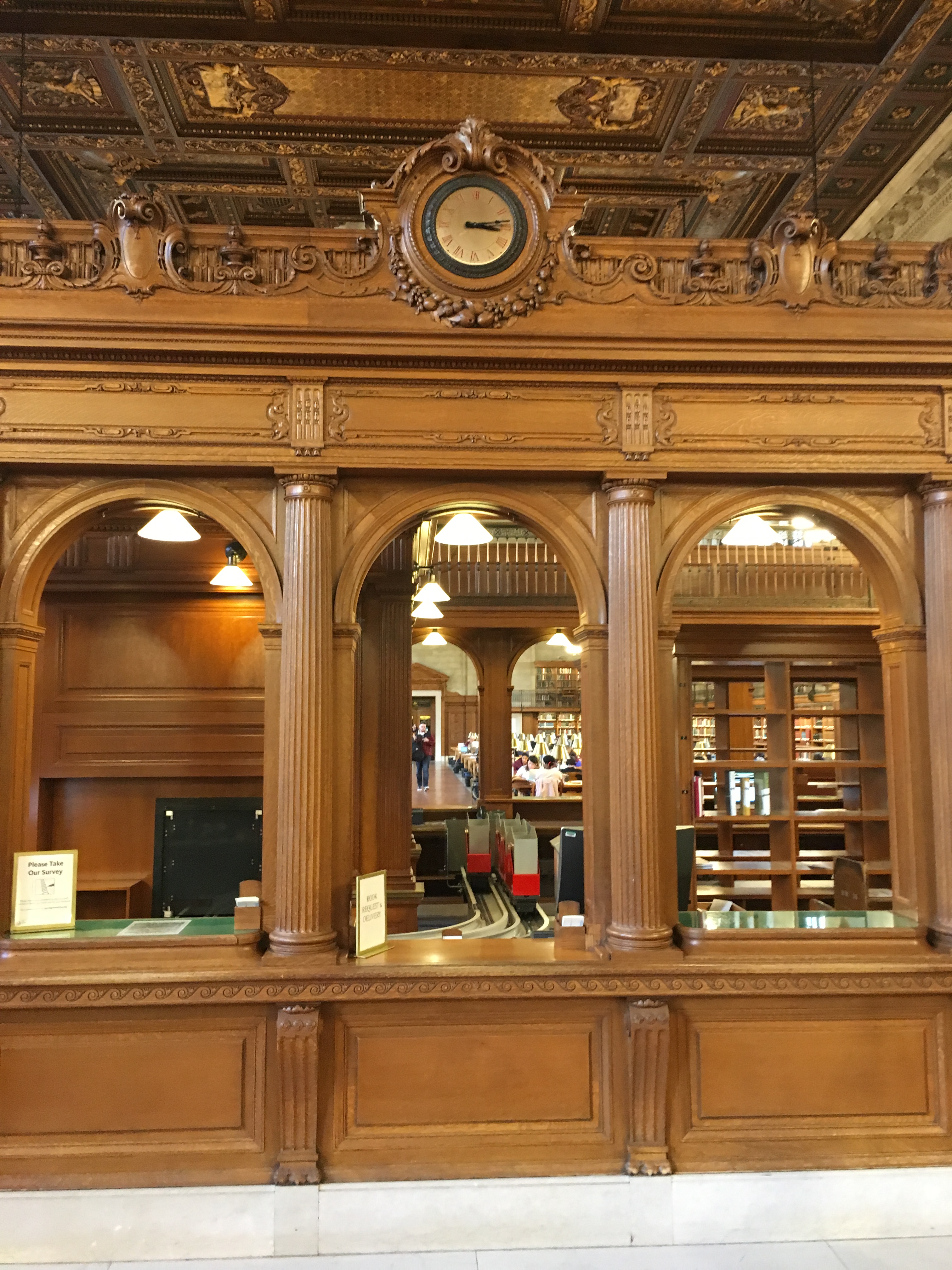
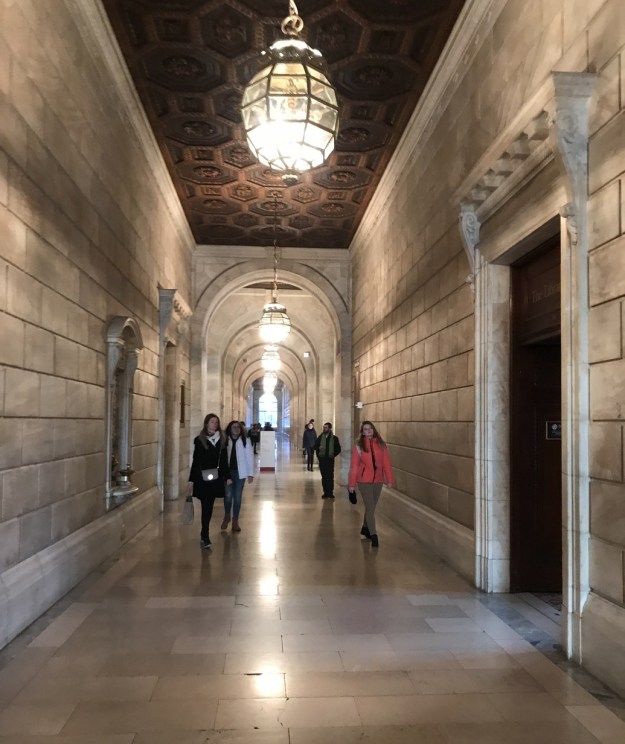
New York Public Library


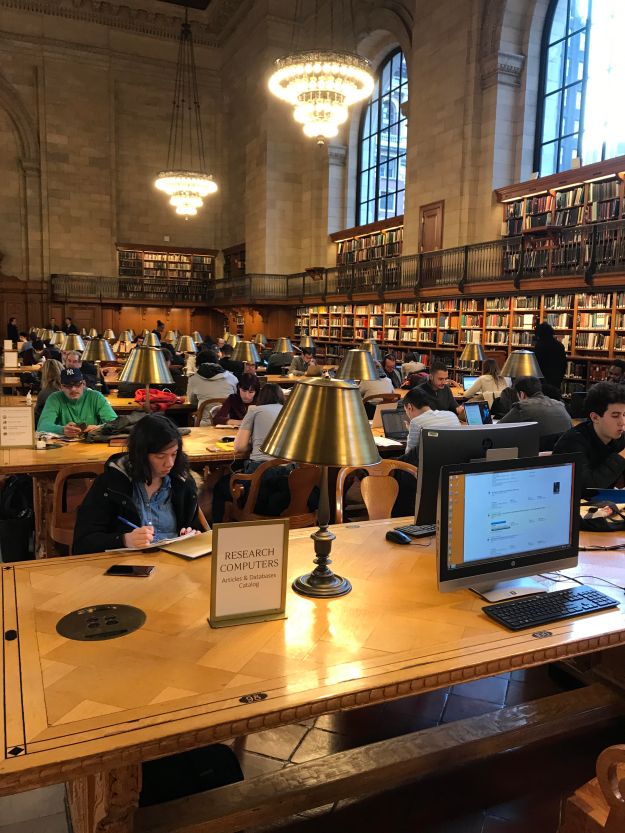
Below are photographs of the main research library, New York Public Library, Stephen A. Schwarzman Building, Fifth Avenue between 40th and 42nd Streets, New York, NY.

A wonderful place — to visit; to do research; to find books that are long out of print; to read and reflect; to restore one’s sanity.

There’s no other public library like it.

Attracts readers and visitors from everywhere, yet never feels crowded.

Open and welcoming to all. No fees or permissions required.

Knowledgeable staff ready and eager to serve you.

Incredible resources.


— posted by Roger W. Smith


*****************************************************


photographs by Roger W. Smith

IMG_5497.JPG


Pete's version, modified by Roger, of Aug 15 NYPL photo.jpg

main reading room - NYPL 1-28-2019.jpg

main reading room, NYPL 12-6-2018

DSCN0350.JPG

IMG_8028.JPG

New York Public Library 3-4-2019.jpg

42nd Street in the rain


42nd Street, April 11, 2016.JPG


I took this photo in April 2016 on 42nd Street between Fifth and Sixth Avenues. Manhattan is a wonderful place.

The New York Public Library — a surprisingly uncrowded, peaceful facility that invites study and scholarship, that welcomes and affords pleasure to the user, and that is staffed by knowledgeable librarians ready to assist you — is to the left.


— posted by Roger W. Smith

    June 2016

Manhattan in spring


MANHATTAN’S streets I saunter’d pondering

— Walt Whitman


photographs taken by Roger W. Smith

April 2016