Tag Archives: Roger Smith

Suffer little children …


I am in our living room this afternoon, thinking about going out.

Beautiful day. My wife was out.

A light tapping at the thick front door. Not a knock. Tapping. So faint; rare. Almost never occurs. Usually they ring bell. My wife will knock loudly sometimes if she’s coming home with groceries.

I open door and there are three little girls probably age seven to eight to preadolescent standing there. So cute and innocent looking — true is it not of most kids?

They live next door. A family from Yemen. One of the older girls had a head scarf. The father runs a deli/bodega on the corner that his father started.

There are a few adult women living there whom I rarely see. It seems that Muslim women remain indoors unless business calls them outside.

One day I encountered them standing on the front steps. They had head and face coverings. I thought they might not be willing to speak to me. Instead, they returned my greeting politely with friendly smiles.

The three girls explained to me that they had lost three (!) balls on our garage roof. I often hear them playing (rare with kids in NYC … music to my ears) in our common back yard or in the narrow space between our house and theirs.

Is there any way we could get access to the garage roof and retrieve the balls? I thought we could, but wasn’t sure.

If we can’t do that, they said next — before leaving — if, by any chance, we have a tall ladder, they would be willing to climb up it and get the balls themselves.

I told them I would see what I could do. They said thanks and left.

Except the youngest girl hesitated. She stood there with a fixed gaze, so innocent. Beautiful black eyes. Then she said bye and left too.

The world of childhood. Psychoanalyst Selma Fraiberg called them “the magic years.”

What preoccupies them. Their lack of guile. Their innocence.


— Roger W. Smith

   May 17, 2021


the music of languages


This morning.

Russian among the barbers and employees of the barber shop. Spanish, spoken rapidly and with a distinct “New York” accent, on the sidewalks.

Only in New York.


– Roger W. Smith

  April 10, 2021 (my father’s birthday)

Walt Whitman, “Our City”


Walt Whitman, ‘Our City’

Our City

NEW YORK is a great place — a mighty world in itself. Strangers who come here for the first time in their lives, spend week after week, and yet find that there are still hundreds of wonders and surprises, and (to them) oddities, which they have not had a chance of examining. Here are people of all classes and stages of rank — from all countries on the globe — engaged in all the varieties of avocations — of every grade, every hue of ignorance and learning, morality and vice, wealth and want, fashion and coarseness, breeding and brutality, elevation and degradation, impudence and modesty.

Coming up Broadway, from the Bowling Green, an observer will notice, on each side, tall, quiet looking houses, with no great aspect of life or business. These are mostly boarding houses; and notwith­standing their still look, they no doubt contain within their walls no small number of occupants. Here the sidewalks and the street pre­sent hut few passengers. After passing Trinity Church, however, the crowd thickens, and the ground stories of the buildings are prin­cipally occupied as shops. Along this section of Broadway are sev­eral crack hotels. If you pass at the latter part of the day, you will see little groups of well dressed men, picking their teeth lazily, and enjoying an after dinner lounge. Near here, there are two shops which deserve especial notice. Judging by their capacious windows, they are for the sale of knicknacks, and fancy articles of all descrip­tions, from a chess board or an escritoire to a toothpick. From a glance at these treasures, a person can hardly help reflecting how many thousand wants, altogether imaginary, one may he led to have through the refinements of civilization.

Directly afterward, you will notice two crowds gazing at the prints in the windows of a book store. This is Colman’s. If you chance to stop there for the same purpose as the rest, look out for the contents of your pockets. We mean this in a double sense; for if you are not incited to purchase some of the alluring literary beauties to be had at Colman’s, it is quite possible that you may he otherwise relieved of your cash by some of the swells who there do congregate.

Then you come to where the Park thrusts out as a kind of wedge between Broadway and the beginning of Park Row. If you take the left, you have to make way against a great current of fashion, idleness, and foppery. Suppose you turn to the right.

Down you walk — first stopping to gaze a moment at St. Paul’s, which, with its steeple the other way, seems as if it wanted to walk off from amid so much tumult and din — and at that very respectable small city, the Astor House. A few rods, and you are in front of an ambiguous structure, of a dirty white color, and which you internally set down in your mind as the most villainous specimen of architecture you ever beheld. This is the Park theatre — or, as some of our people, with a very untasty habit of copying whatever is foreign, term it, the Old Drury. You will not wonder, when you hear that the manager has been very unsuccessful of late, maugre all his ener­getic and liberal catering. What benignant spirit could ever plume his wings on the top of such a temple?

By and by, you arrive at an open space, whereabout, if you look sharp, you will behold the name of one of the wonders of the city — that is, the “New York Aurora.” In all probability your ears will be greeted with the discordant notes of the newsboys, who generally muster here in great force. A door or two further is Tammany Hall, the Mecca of democracy — the time honored, soul endeared holy of holies, to all who go for anti monopoly, and the largest freedom of the largest number.

The City Hall on the left, with its redundance of marble tracery and ornament, will not probably strike you as being anything very extensive — so pass we on.

Now you come into the region of Jews, jewelry, and second hand clothing. Here and there, the magic “three balls” hold out hope to those whose ill luck makes them grasp at even the smallest favors.

Passing the Pearl street crossing, and the Chatham theatre, you are in the large triangle which people call Chatham square. In the middle are dray carts, coaches, and cabs: on the right loom up small hills of furniture, of every quality, with here and there an auctioneer, standing on a table or barrel top, and crying out to the crowd around him, the merits of the articles, and the bids made for them.

Then up the Bowery, which presents the most heterogeneous melange of any street in the city: stores of all kinds and people of all kinds, are to be met with every forty rods. You come by and by to the Bowery theatre; this is one of the best looking buildings in the city.

If you keep up the Bowery, you will lose yourself at last in the midst of vacant squares, unfenced lots, and unbuilt streets.

If you turn to the right, you will come into some of the dirtiest looking places in New York. Pitt, Ridge, Attorney and Willett streets, and all thereabout, are quite thickly settled with German emigrants.

If you wind your steps leftward, you will have a chance of promenading to suit any taste you may he possessed of. You can lead off into some of the most aristocratic thorough-fares, or some of the lowest, or some of a medium between both.

— Walt Whitman, The New York Aurora, March 8, 1842


*****************************************************

Walt Whitman’s 1842 walk took him from the Battery (where I often start my walks) — the southernmost point of Manhattan — uptown to the area of Delancey Street on what is now the Lower East Side. I have walked the same route so many, many times.

I take the same delight — and experience the same perpetual wonder — in the City that Whitman did. He is my Doppelgänger. I feel such kinship with him.


— posted by Roger W. Smith

   November 2020

“Beautiful — the water is so calming to me.”


New York Harbor, September 20, 2020; photo by Roger W. Smith

I had the following exchange on Facebook with Barbara (Harris) Churchill yesterday. Barbara was the kid sister of my best friend Johnny Harris when I was growing up in Massachusetts. Barbara lives in the Midwest now.

Barbara Churchill:

Beautiful – the water is so calming to me.

Roger Smith:

Me too, Barbara. When I am downtown, in this part of the City, I often feel such peace. It is surprisingly uncrowded, especially on weekdays. Wall Street is nearby, but no one seems to go a few blocks more downtown. A lot of the activity and people are further uptown and in Midtown.

Barbara Churchill:

Your photos always amaze me. I know nothing about NYC really, and subconsciously think noisy, crowded, city, and you capture so much beauty and green (and blue) space!

Roger Smith:

Barbara — When I first came to NYC from Mass. — a long time ago — I experienced a sort of “street shock”: everyone seemed in such a hurry; the people on the subways looked kind of pale and pasty; no one seemed to have time for you … It was all cement and steel: high rises and crowded sidewalks. Slowly, I got to like it. It turns out that most of the people are really friendly and will go out their way to help you. And, then I discovered how enjoyable it was to explore the City; and the beautiful parks and the river, etc. I don’t think most people, even many New Yorkers, appreciate how much natural beauty (i.e., nature) contributes to making New York so great — they don’t know it’s there, right in front of them, so to speak; and then the people are another “natural resource.”


— posted by Roger W. Smith

  September 21, 2020

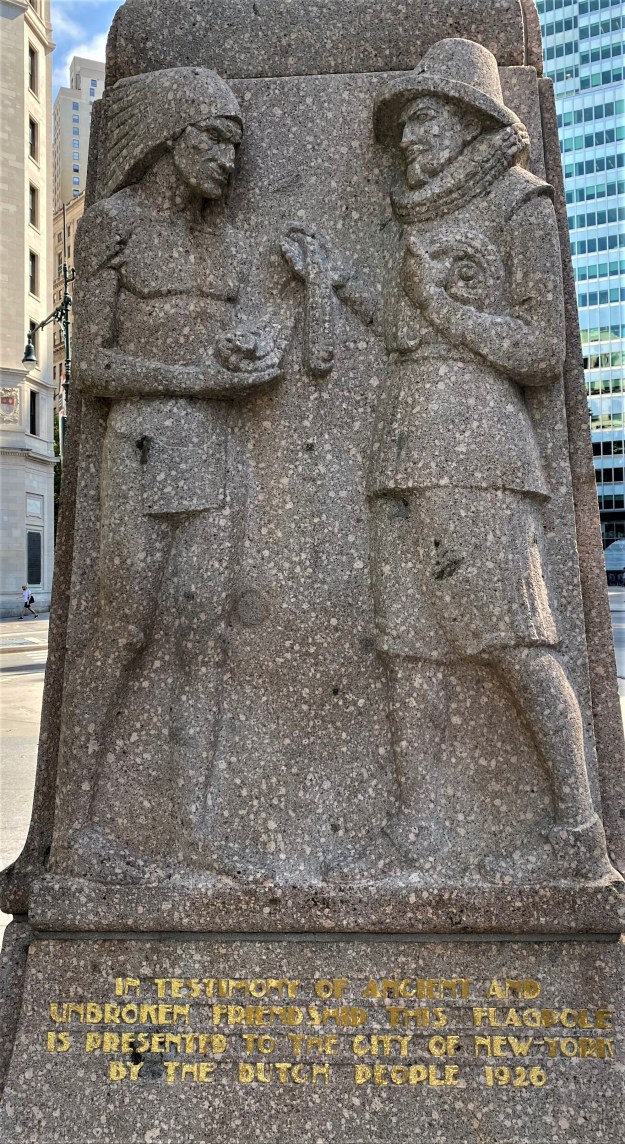
“In testimony of ancient and unbroken friendship this flagpole is presented to the City of New-York by the Dutch people”


monument, Battery Park, New York City

The following are the inscriptions on the above-pictured flagpole monument in Battery Park in Manhattan. The monument was erected in 1926, the tricentennial of the founding of New Amsterdam by the Dutch.

In testimony of ancient and unbroken friendship this flagpole is presented to the City of New-York by the Dutch people 1626.

 On the 22nd of April 1625 the Amsterdam Chamber of the West India Company decreed the establishment of Fort Amsterdam and the creation of the adjoining farms. The purchase of the Island of Manhattan was accomplished in 1626. Thus was laid the foundation of the City of New-York.

Nadat de Kamer Amsterdam der West Indische Compagnie op 22 April 1625 last had gegeven tot den aanleg van het Fort Amsterdam en tien bouwedten daardnevenes heeft de koop van het Eiland Manhattan in 1626 dien aanleg bevestigd welke de grondslag werd van de stad New-York.


— posted by Roger W. Smith

  August 2020

Walt Whitman (again)


from ‘There was a child went forth’


The streets themselves and the facades of houses, and goods in
the windows,
Vehicles, teams, the heavy-plank’d wharves, the huge crossing
at the ferries,
The village on the highland seen from afar at sunset, the river
between,
Shadows, aureola and mist, the light falling on roofs and gables
of white or brown two miles off,
The schooner near by sleepily dropping down the tide, the little
boat slack-tow’ d astern,
The hurrying tumbling waves, quick-broken crests, slapping,
The strata of color’d clouds, the long bar of maroon-tint away
solitary by itself, the spread of purity it lies motionless in,
The horizon’s edge, the flying sea- crow, the fragrance of salt
marsh and shore mud,
These became part of that child who went forth every day, and
who now goes, and will always go forth every day.

— from Walt Whitman, “There Was a Child Went Forth” (1855)


*****************************************************

As noted by James Perrin Warren in his monograph Walt Whitman’s Language Experiment, “This passage catalogues the scenes of New York and Brooklyn, scenes that will become central to later poems like ‘Crossing Brooklyn Ferry;’ ‘Out of the Cradle Endlessly Rocking;’ and ‘As I Ebb’d with the Ocean of Life.’ ”

The beautiful passage evokes images and thoughts of New York City which I can relate to.


Roger W. Smith

   August 2020

an island … a city surrounded by WATER II (update of a previous post)


There now is your insular city of the Manhattoes, belted round by wharves as Indian isles by coral reefs–commerce surrounds it with her surf. Right and left, the streets take you waterward. Its extreme downtown is the battery, where that noble mole is washed by waves, and cooled by breezes, which a few hours previous were out of sight of land. Look at the crowds of water-gazers there.

Circumambulate the city of a dreamy Sabbath afternoon. Go from Corlears Hook to Coenties Slip, and from thence, by Whitehall, northward. What do you see?–Posted like silent sentinels all around the town, stand thousands upon thousands of mortal men fixed in ocean reveries. Some leaning against the spiles; some seated upon the pier-heads; some looking over the bulwarks of ships from China; some high aloft in the rigging, as if striving to get a still better seaward peep. But these are all landsmen; of week days pent up in lath and plaster–tied to counters, nailed to benches, clinched to desks. How then is this? Are the green fields gone? What do they here?

But look! here come more crowds, pacing straight for the water, and seemingly bound for a dive. Strange! Nothing will content them but the extremest limit of the land; loitering under the shady lee of yonder warehouses will not suffice. No. They must get just as nigh the water as they possibly can without falling in. And there they stand–miles of them–leagues. Inlanders all, they come from lanes and alleys, streets and avenues–north, east, south, and west. Yet here they all unite. Tell me, does the magnetic virtue of the needles of the compasses of all those ships attract them thither? … There is magic in it. Let the most absent-minded of men be plunged in his deepest reveries–stand that man on his legs, set his feet a-going, and he will infallibly lead you to water. … Yes, as every one knows, meditation and water are wedded for ever.

— Herman Melville, Moby-Dick; Chapter 1 (“Loomings”)

*****************************************************

I love skylines, love dense clouds. New York City has wonderful skylines. You can’t really see them from Manhattan, but you can from the waterside and from the outer boroughs, which have lower buildings.

It is wonderful that Manhattan is an island bounded by water: the ocean (New York Harbor), the East River, the Hudson River, the Harlem River.

One thing this does is prevent urban sprawl and the development of a megalopolis ending nowhere.

It also gives the city an almost enchanted quality or aspect. It leads to dreamy speculation and reflection, as Herman Melville noted.

My departed friend Bill Dalzell alerted me to this special aspect of New York City some fifty years ago.

I love the curve of the bay at the bottom of Manhattan Island. Such a beautiful harbor.

Today, I walked along the water’s edge from 14th Street to the Battery. Such a wonderful stiff breeze off the river. Such a wonderful walk at a time of despair,

— Roger W. Smith

   May 4, 2020


*****************************************************

photographs by Roger W. Smith

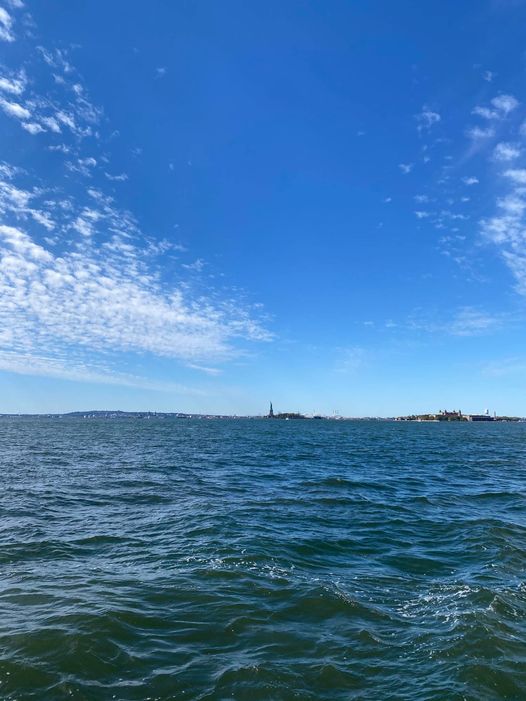
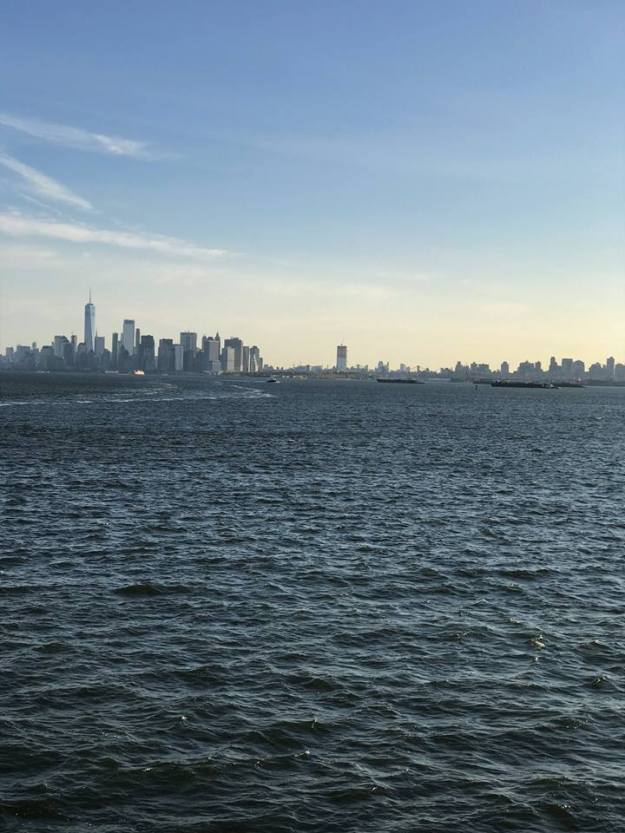
New York Harbor 11-42 a.m. 10-7-2019

New York Harbor 11-11 a.m. 5-29-2018

New York Harbor 4-54 p.m. 5-4-2020

New York Harbor 3-28 p.m. 3-17-2020

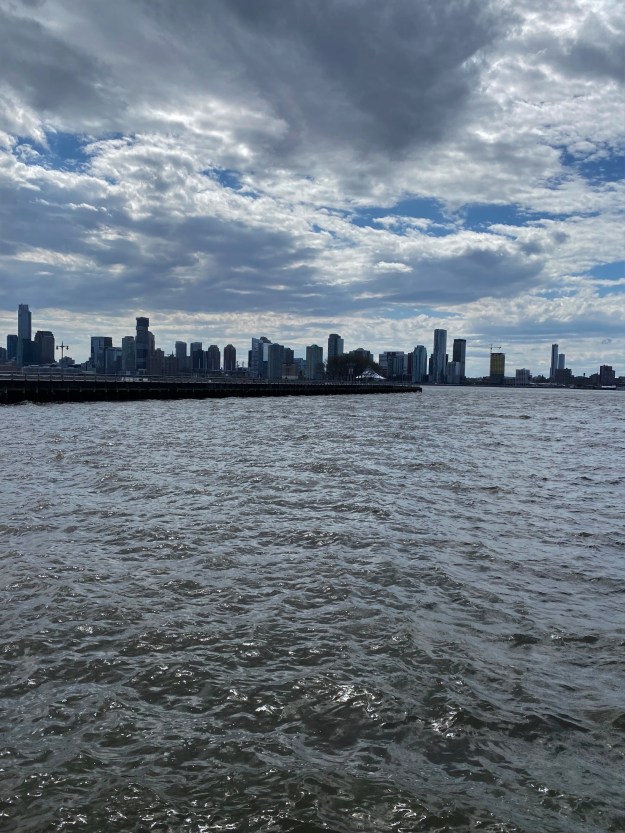
Hudson River 2-52 p.m. 5-4-2020


211925055274824

“Oh, For a Lodge in Some Warm Wilderness!” (a New Yorker’s dream)


OH, FOR A LODGE IN SOME WARM WILDERNESS!

The Cry of Many a New-Yorker Whose Business Worries are Aggravated by a Bad Cold.

New-York Tribune

February 21, 1904


Doubtless, this winter, when the North River,* overhung with mist and full of huge cakes of ice, resembled a scene on the coasts of Labrador, and the streets have seemed never to be free from snow and ice, many a New-Yorker with a cold has found the Psalmist’s words: “Oh, that I had the wings of a dove; for then I would fly away and be at rest,”** highly expressive of his feelings. Forgetting that one of the great characteristics of the human being which most widely differentiates him from other animals is his ability to adapt himself to the rigors of any climate, and that, therefore, he ought to give proof of his superiority by gloriously braving it out, he would gladly take wing and follow the birds to the warmer climates where there is no pneumonia, where the furnace troubleth not and the walks are fringed with green instead of covered with white. This winter has been more trying than previous winters for a number of years. The constantly recurring snowstorms and cold waves, almost clasping hands with one another, have worn down the patience of many persons who cannot get away. The very cough syrup, with its reminder of the wholesome, aromatic atmosphere of the great pine forests of the gentle tempered South, has tantalized while it performed its work of healing. If one could only adopt the mind cure and imagine himself in some semi-tropical isle in the Spanish Main, what a consolation it would be as one sits back at one’s desk, every window tightly closed to prevent draughts and keep out the fog laden air, twisting one’s nose with moist handkerchief! A vision of

The slender coco’s drooping crown of plumes,
The lightning flash of insect and of bird,
The lustre of the long convolvuluses,***

rises in one’s mind and feels how pleasant it would be to lazily loll for a few weeks in that country, with its changing tropical lights.

If the climate of New York in winter is not an ideal one, there is the consoling thought that within the confines of the United States one may experience any kind of climate one desires, from the arctic temperature of Alaska to the semi-tropical of Florida. Of course, one does not wish to think of the former, with its frozen temperatures. It is much pleasanter to dream, if one cannot realize it, of “the South where the gulf breezes blow.” To know that one may enjoy in March strawberries, ripe and red on the table; violet blossoms in the woods, the breath of jasmines in the air, and glimpses of the passion flower, scarlet trumpet creeper, wild honeysuckle, blossoming blackberry vines; delicate hued lichens, is enough to make a New-Yorker desire to sell his business and go instantly to such a favored clime with his family. While a New-Yorker is breathing the stuffy air of his office, in another part if his “native land” myriads of orchids are perfuming the air of dense forests with no man near to appreciate their beauty and fragrance. Forests of live oaks with hanging banners of Spanish moss; cypresses and blossoming magnolias invite the eye, and strange birds with tropical melodies entice the ear as they dart through the darkened recesses of the woodland. And if a little adventure is desired, it may be had by awakening an alligator lazily sunning himself at the edge of the stream.

Or, in another part of country, thousands of miles away, where once the indolent dons cultivated their ranches, flaming poppies, ranging from bright yellow to scarlet, violets, primroses, sweet clover, yellow and purple; the blue larkspur and the scarlet silene are mingling with the green of the fields and making an entrancing carpeting. There the mercury remains almost stationary in the tube. and the rain falls almost never.

* The North, now Hudson, River.

** I never knew where the words “wings of the dove” come from.

** * The lines are from Alfred, Lord Tennyson’s poem “Enoch Arden.”


— posted by Roger W. Smith

   December 2020
 

*****************************************************

Addendum:

I myself have seen the “huge cakes of ice” on the Hudson, viewed from Riverside Park, during one particularly cold winter when the river partly froze over. It was beautiful. You could hear the ice hissing as the chunks broke up.

good riddance to urban renewal


former residence of Jane Jacobs, 555 Hudson Street, New York, NY; photo by Roger W. Smith

The following is an email of mime from today to Lizabeth Cohen, a professor of American Studies at Harvard University.


Dear Professor Cohen,

I read the review in The New York Times Book Review of your Saving America’s Cities: Ed Logue and the Struggle to Renew Urban America in the Suburban Age. As I said to my wife, it looks like an excellent and very informative book.

I appreciate what was said about it by the reviewer: that it is an even-handed treatment of Logue.

If I may, I would like to share a few thoughts, memories, etc. with you.

I grew up in Cambridge. We lived on Mellen Street near Harvard Square. My parents moved us to the suburb of Canton on the South Shore in my adolescent years, which was in the late 1950s.

In the 1960s, I recall seeing articles in the papers about Logue all the time. As the reviewer notes that your book notes, Logue was revered and received almost unvarying praise. At that age, being the son of liberal, educated parents, I thought that slum clearance was, unquestionably, desirable.

I was an avid Red Sox fan, I regularly read the sports pages in the Boston Herald. I read many articles stating that it was high time Boston had a new park. It was regarded as not even worth or needing proof that Fenway Park was too small (mainly in terms of seating capacity), old, and shabby. The endless refrain was, when are we going to get our new stadium?

No one remembers this, and Friendly Fenway is regarded by one and all as a jewel of a ballpark. A landmark that will never be torn down.

I moved to New York City for good in my young adulthood. After some adjustment, I grew to love it. I made a good friend who was a nonconformist and lived an alternative lifestyle. He was cultured and articulate but lived very modestly in a walkup apartment with a bathroom in the hall on East Fifth Street between Avenues A and B. He helped me to appreciate Manhattan and to begin to think differently. He was prescient. He said to me, at a time when urban renewal and slum clearance were in the air: “I live in a slum and I like it.” He pointed out that PEOPLE were living in these buildings. (And could afford them.)

I am attaching a photo I took on one of my walks recently of Jane Jacobs’s former residence on Hudson Street in Manhattan. I became familiar with her writings in my adult years after moving to Manhattan. I think she is an example of someone whose plain writing and lifestyle, and lack of academic credentials, may make it likely that she gets less recognition than she deserves (which is not to say that her importance and genius are not acknowledged; and I think she was actually a genius). In my opinion, she is up there with some of the great thinkers and writers who very simply take a fresh look at prevailing opinions and wisdom, go back to square one — or “first principles” — and, in plain language, without overtheorizing — looking with their own eyes — get us to see the world anew. It’s sort of like an Emperor’s New Clothes phenomenon.

How did she manage to defeat Robert Moses? At the outset, I am sure it would have been regarded as quixotic to try. If Moses had rammed an expressway through the Village and Soho, it would have ruined Manhattan — is the word rape too strong?

Jane Jacobs did not like Lincoln Center. I don’t like it either. I recall when I was in high school and Jacqueline Kennedy and others on television were providing a virtual tour of our “wonderful” new arts center, Lincoln Center. I assumed it must have been so, and who cared about the gritty (then) West Side neighborhood where Jets and Sharks did battle? I hate to go to Lincoln Center now. Aside from the concert halls, which I find dark and unwelcoming, the whole center is a horrible place to hang out in, should anyone care to. The buildings are ugly.

Usually, the plaza with its fountain is pretty much deserted, and it’s unwelcoming, as is the Center. The surrounding neighbored now has no life; there are a few rip off restaurants across the street. The few blocks behind the Center (between it and the river) are deadly, or better said, dead.

I go back to Boston occasionally. I was too young to remember Scollay Square before Government Center was built (though people often mentioned it). The Government Center complex has a Lincoln Center-like feel, and I found it very unpleasant and unenjoyable to walk or spend time in or around it.

Sincerely,

Roger W. Smith, Maspeth, Queens, NY


— posted by  Roger W. Smith

   November 17, 2019

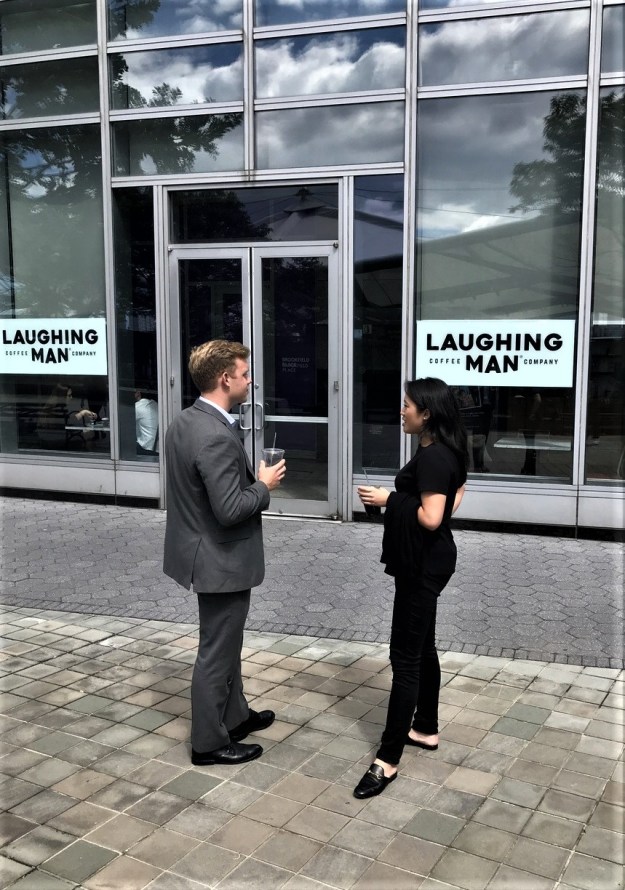
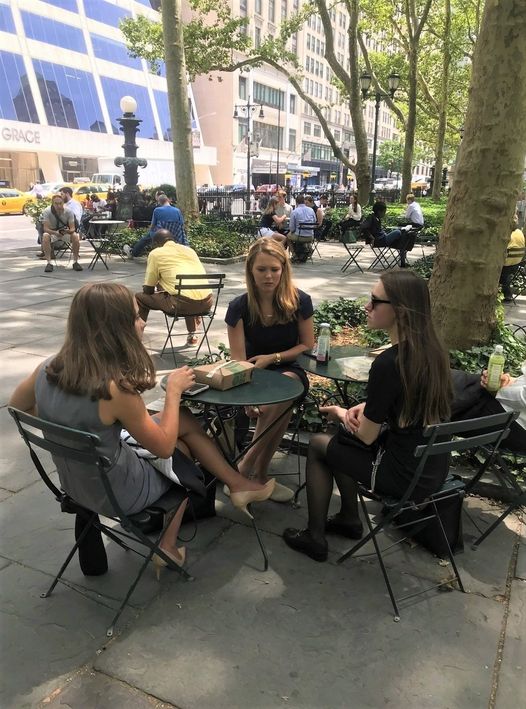
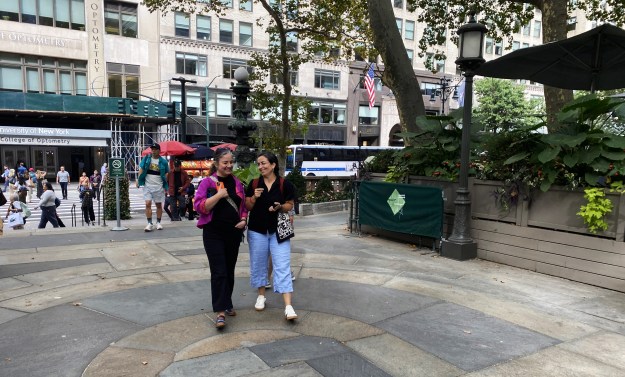
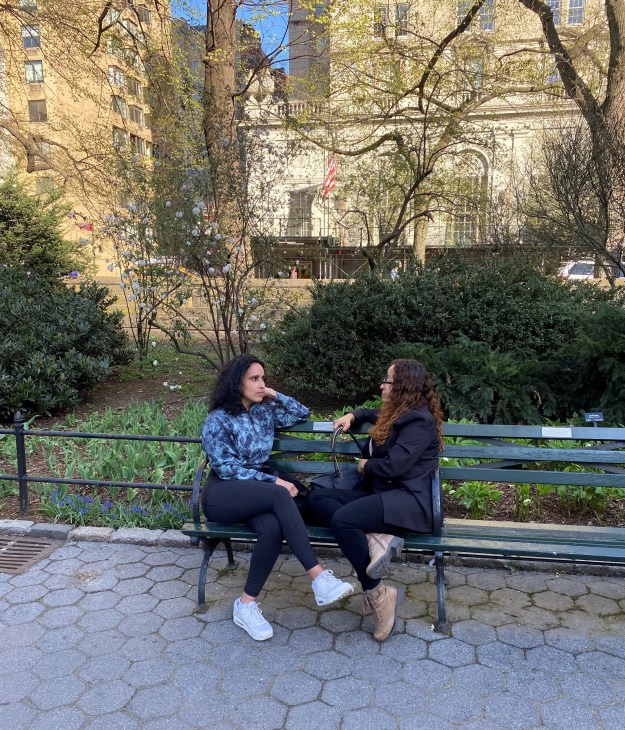
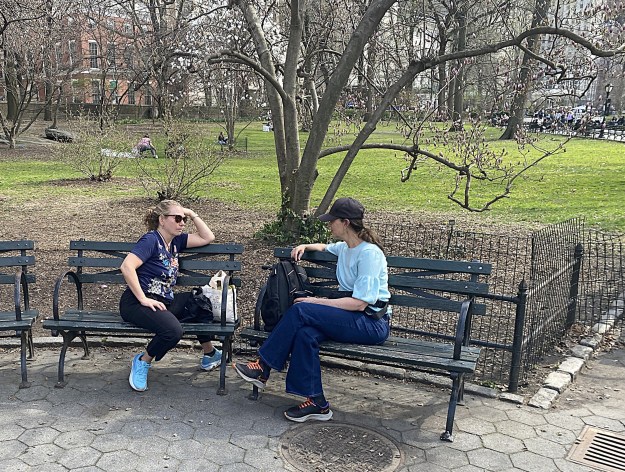
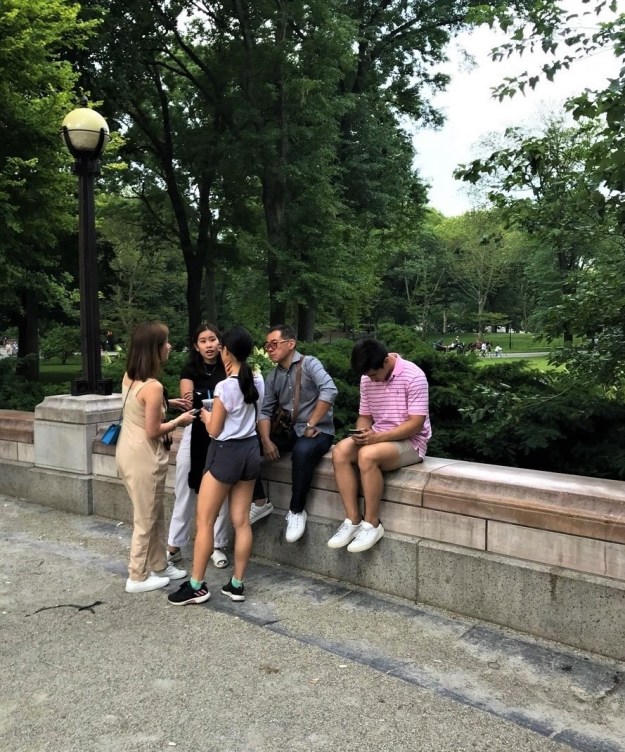
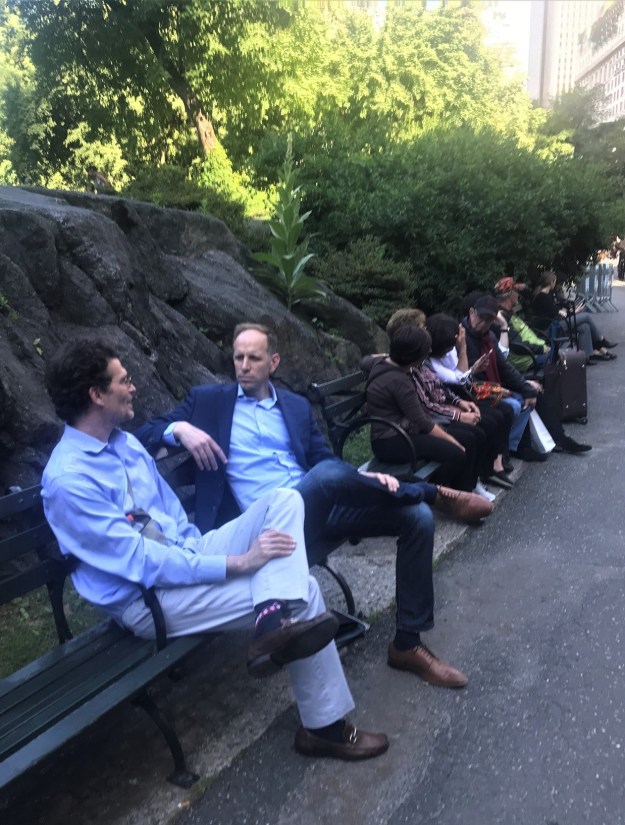
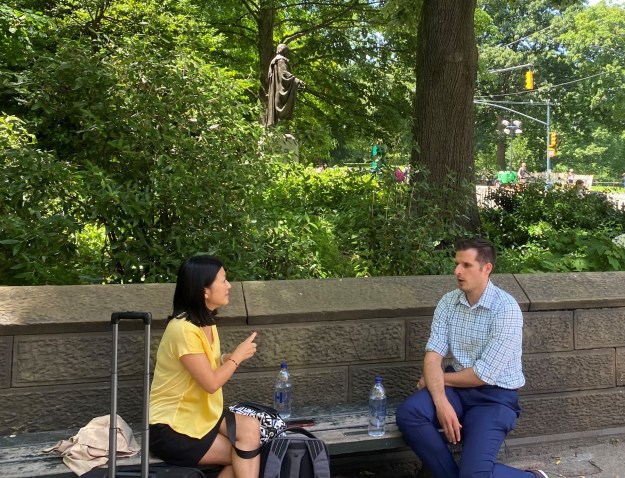
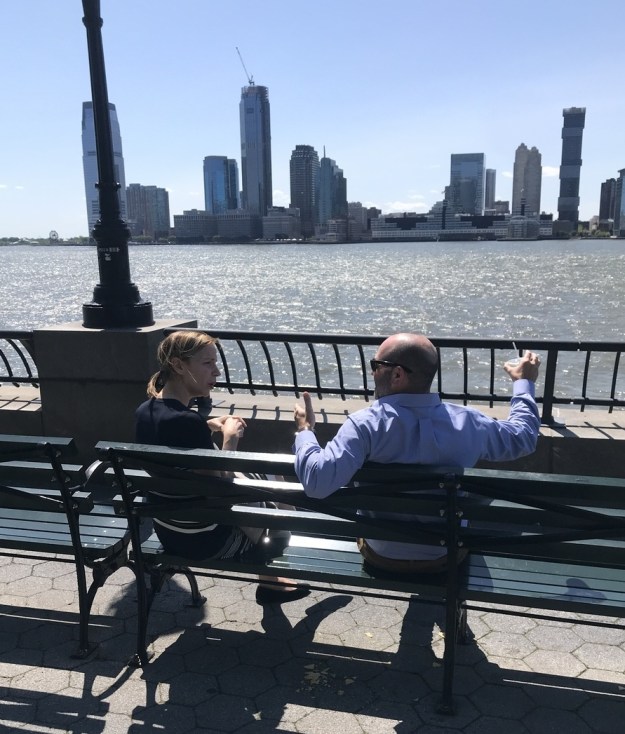
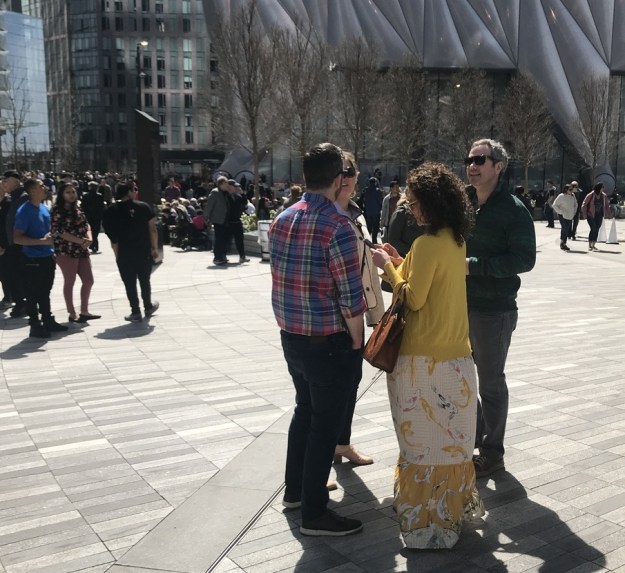
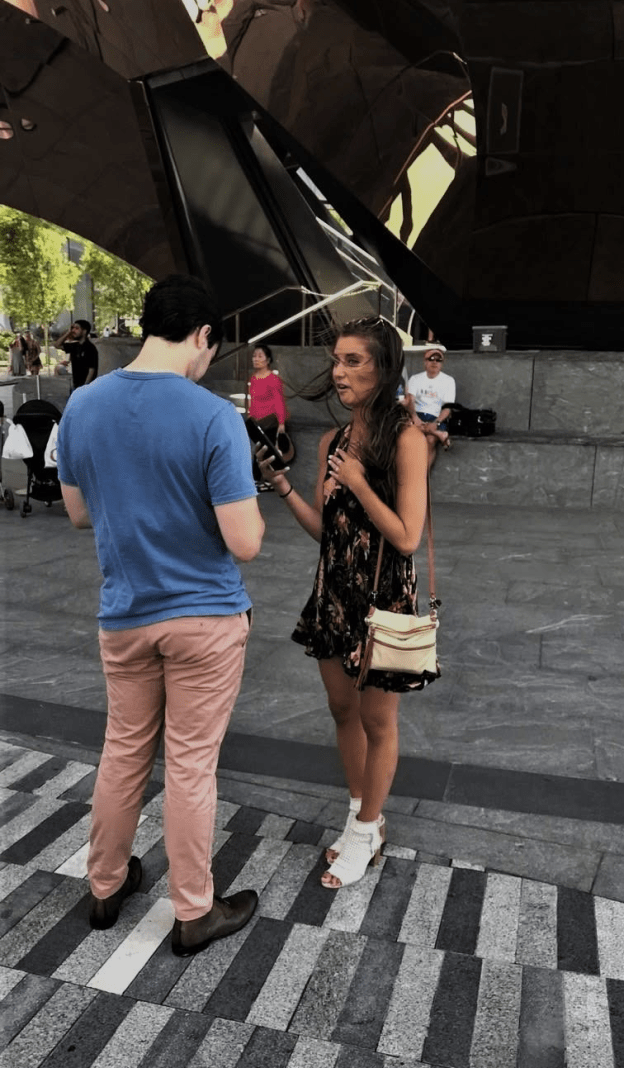
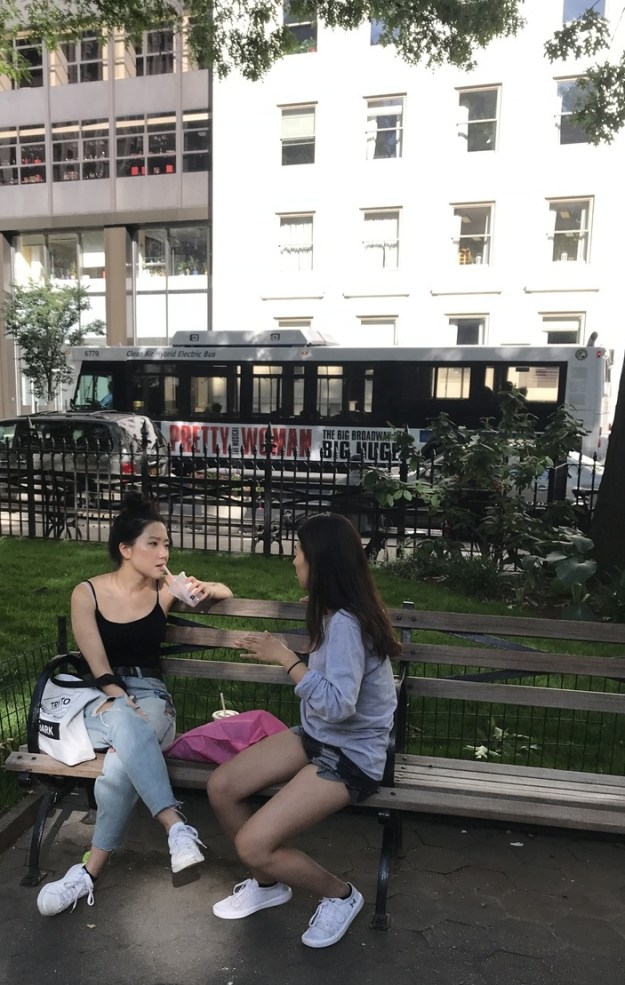
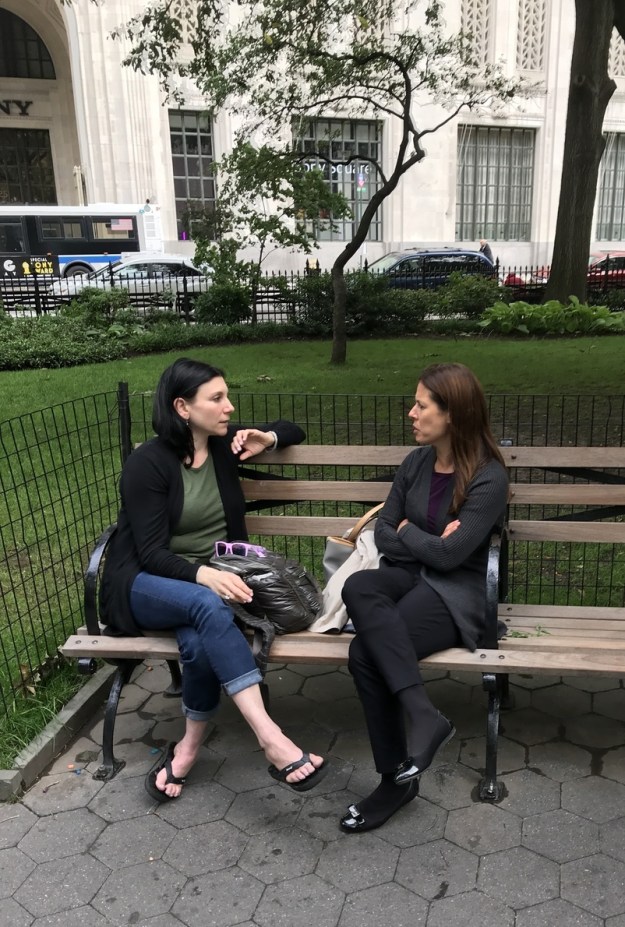
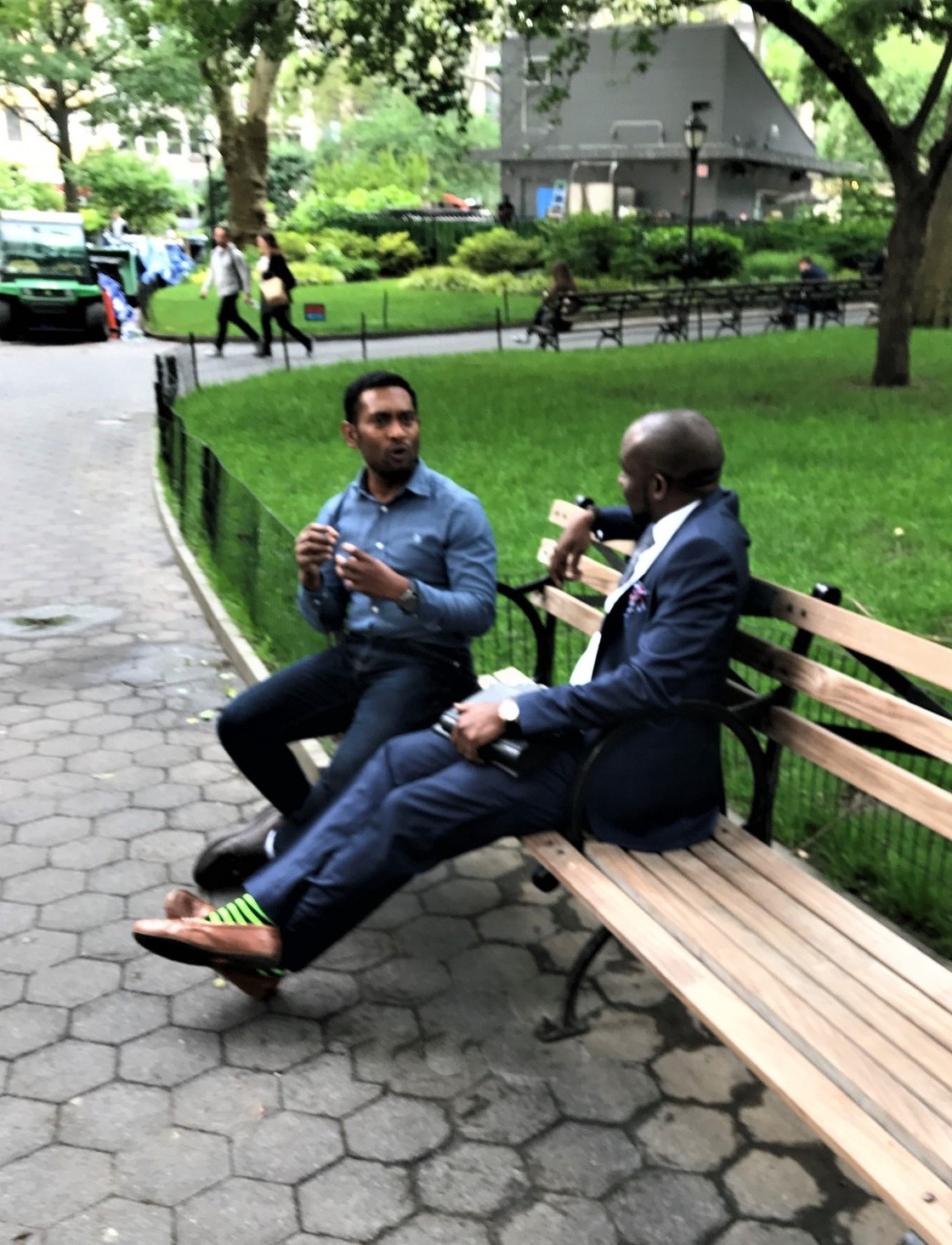
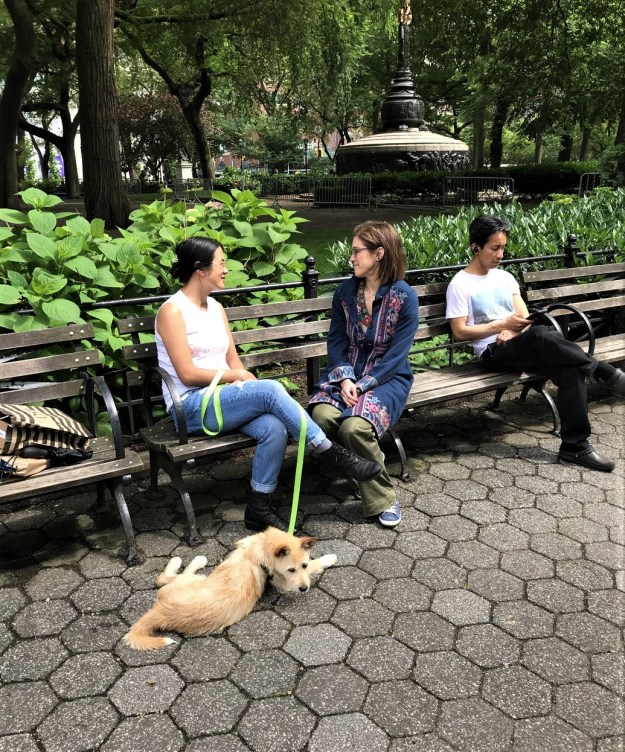
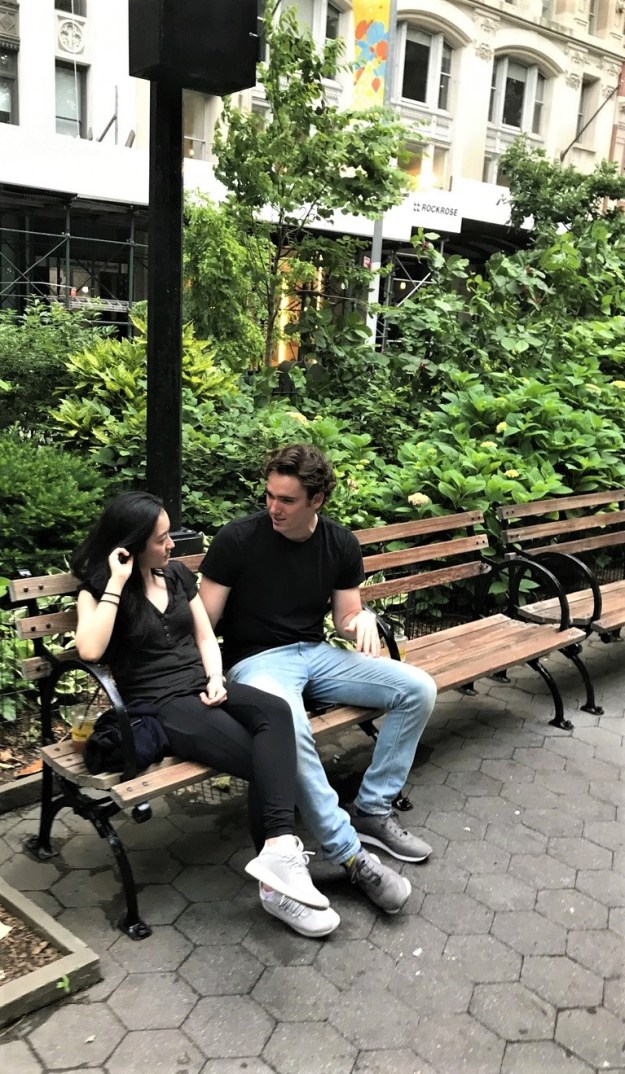
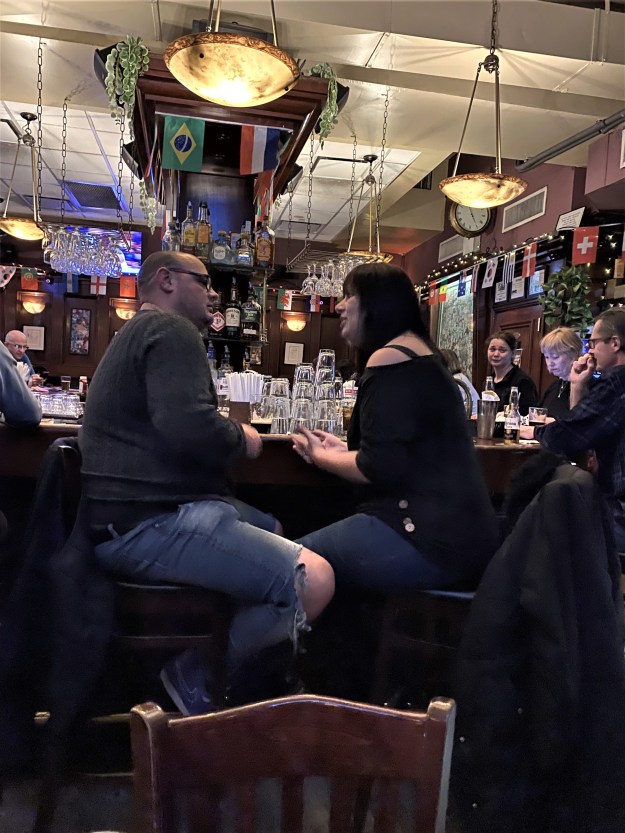
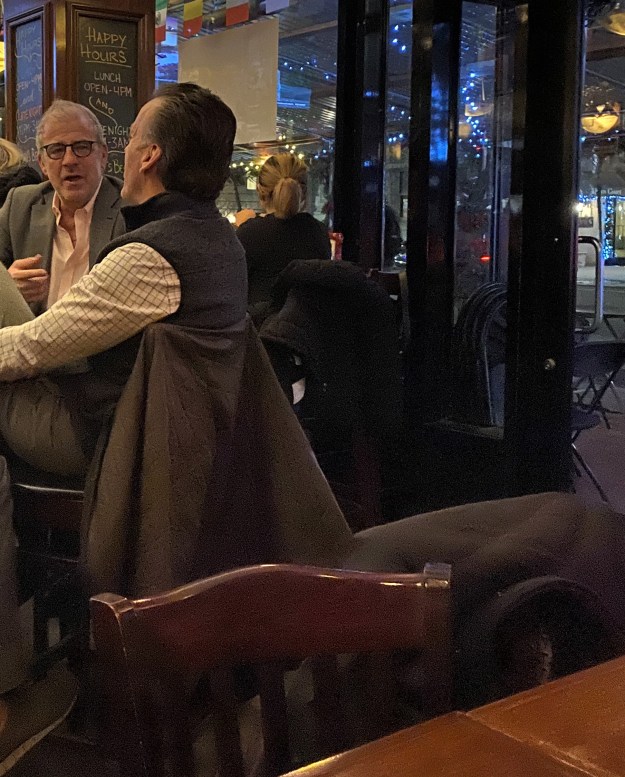
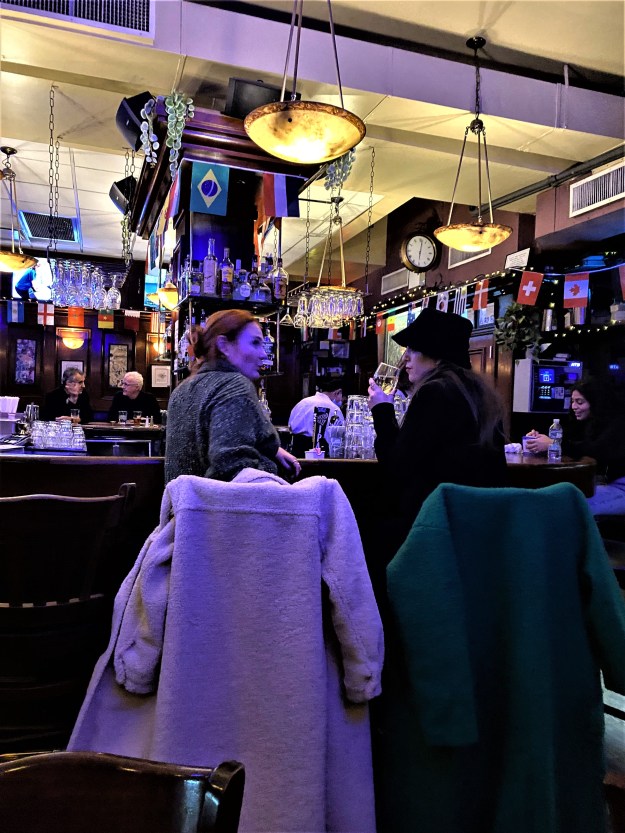
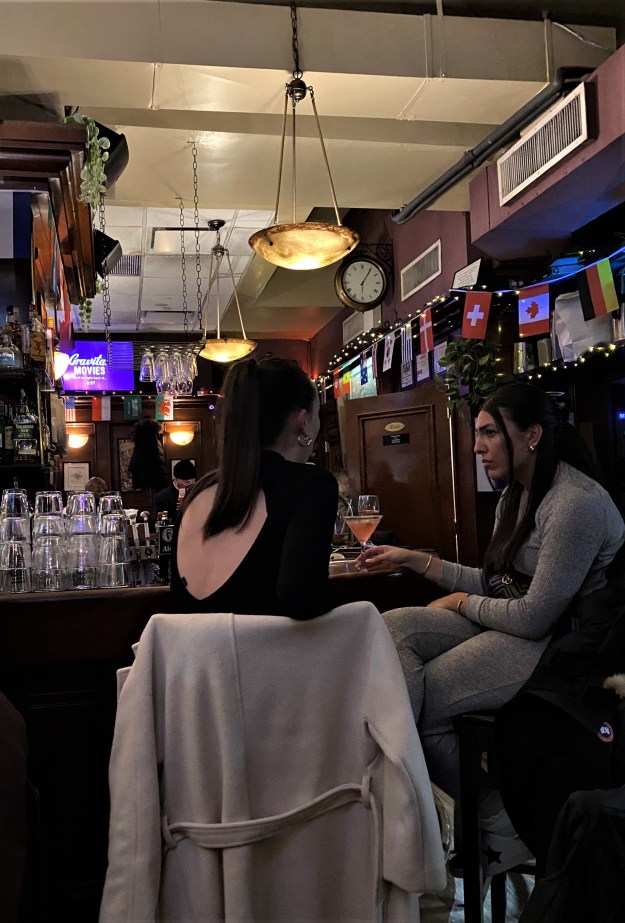
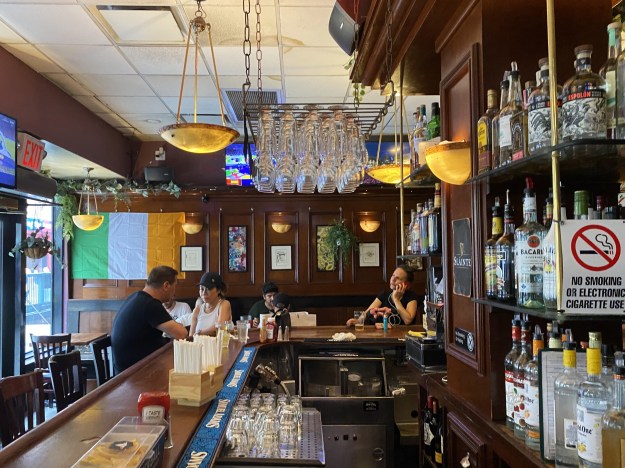
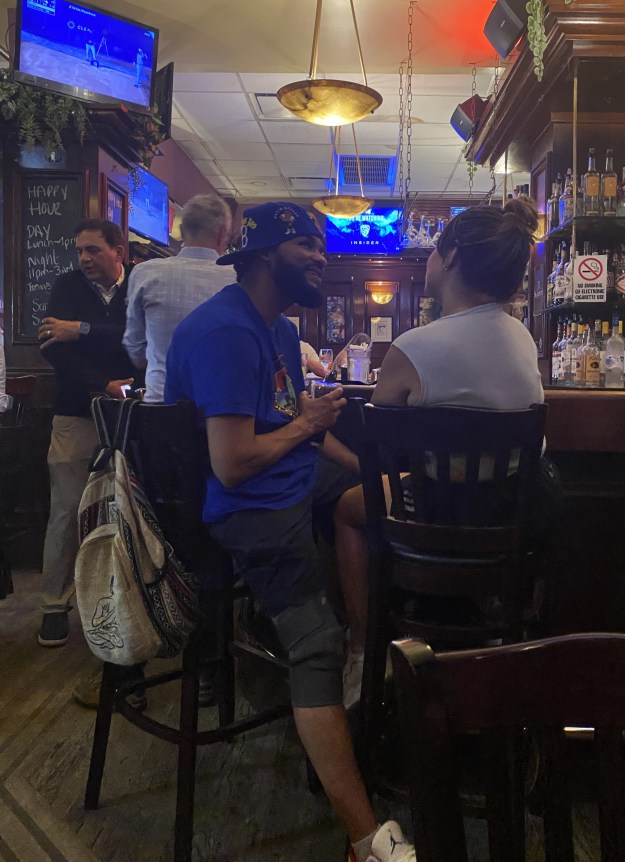
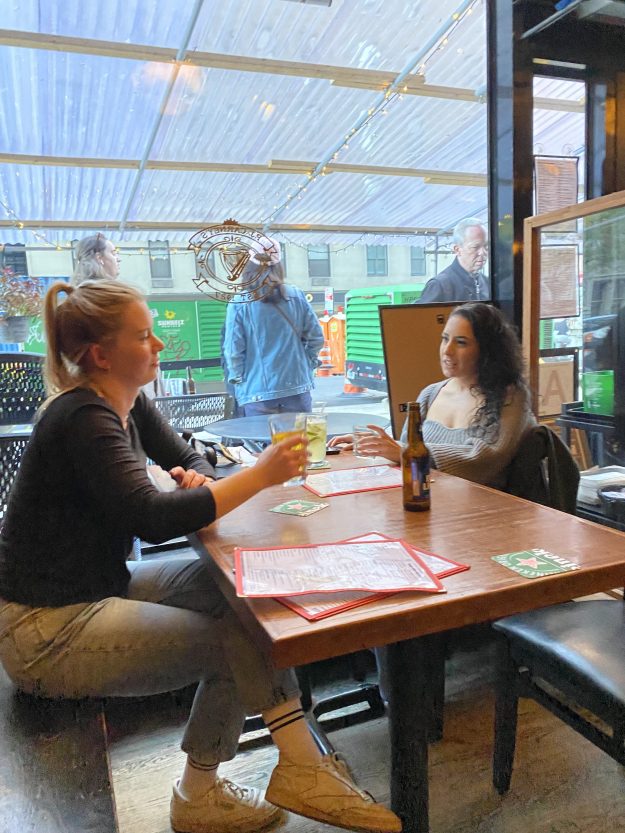
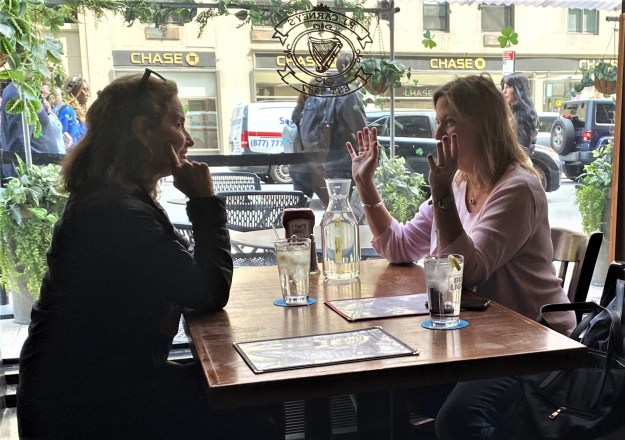
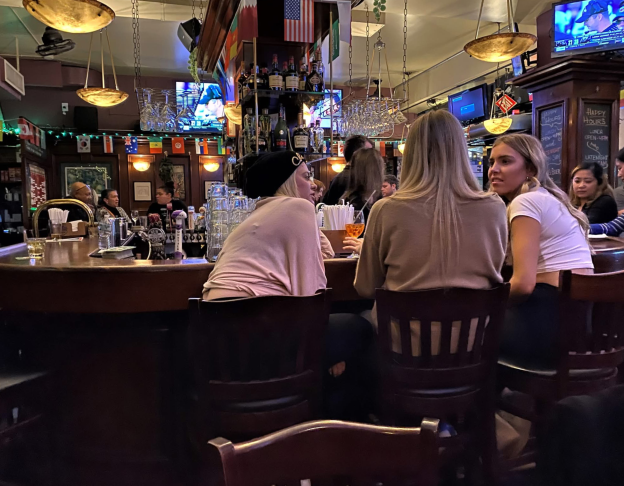
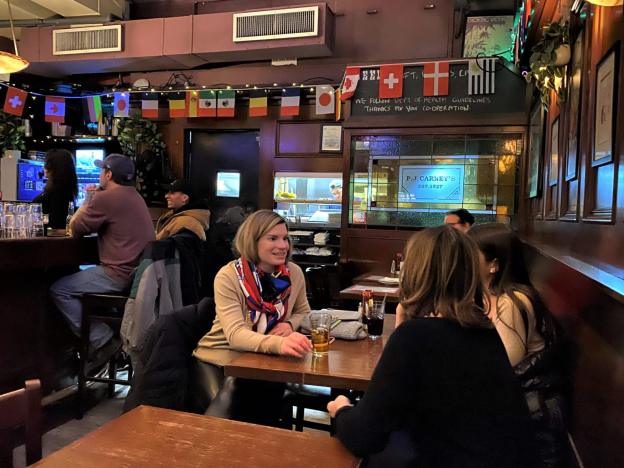
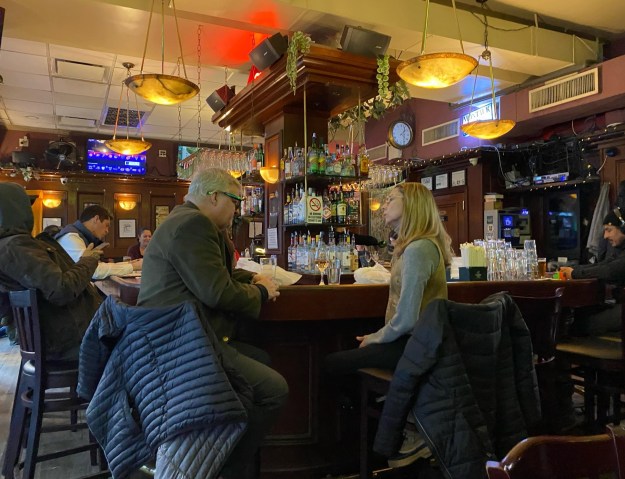
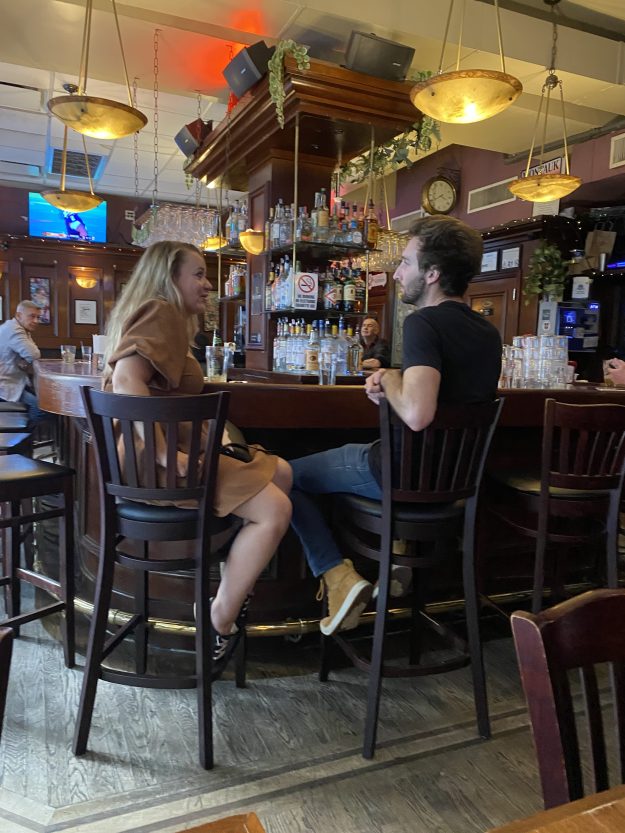
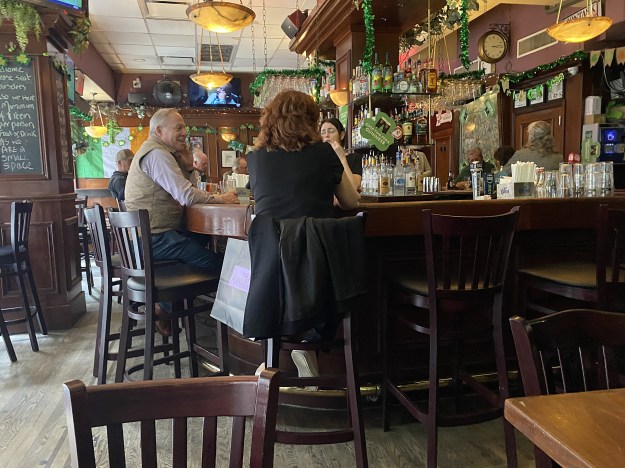
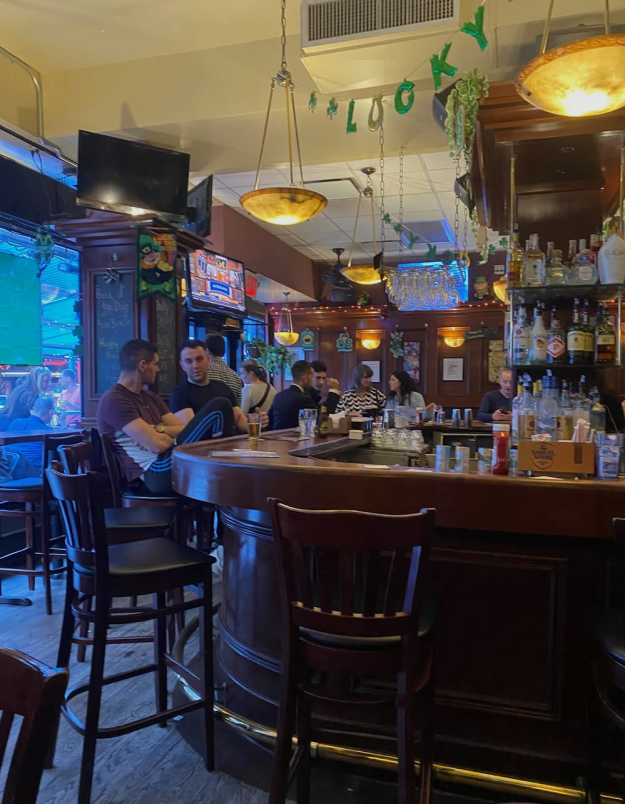
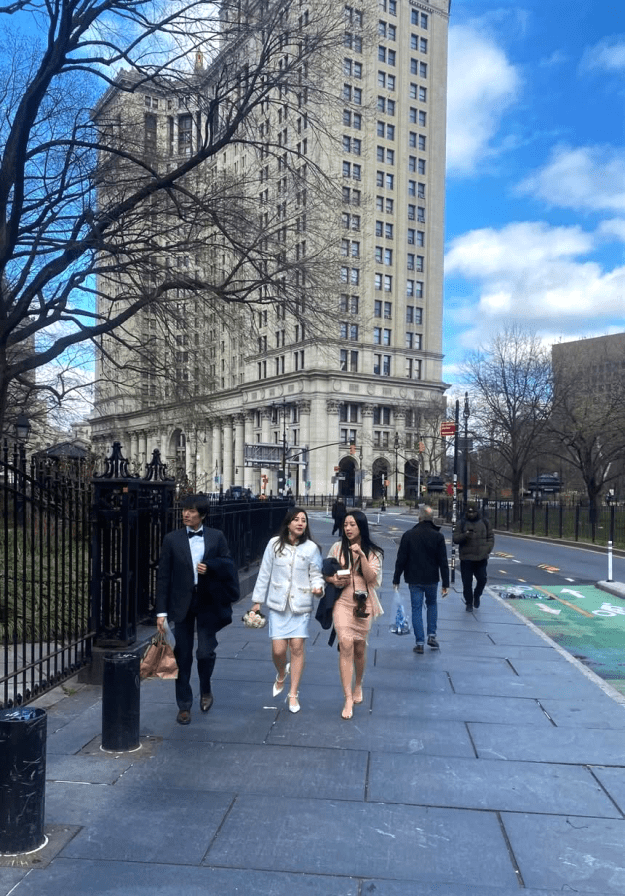
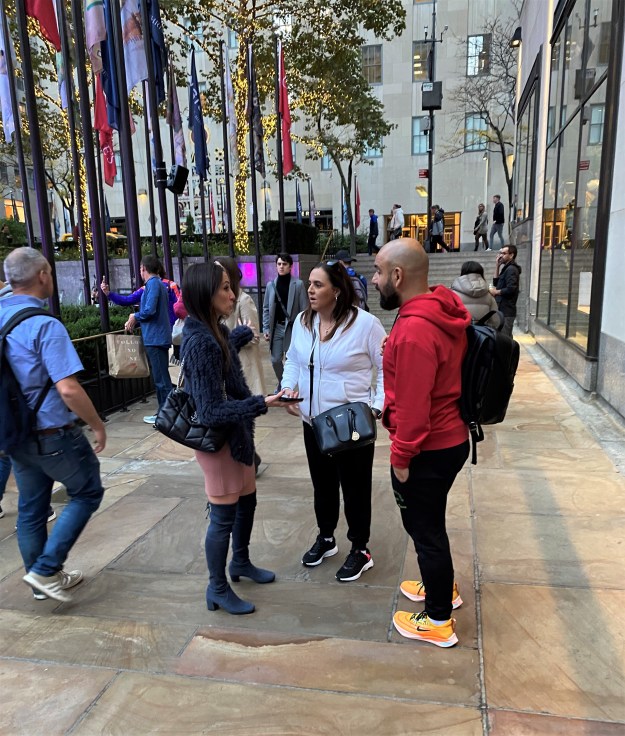
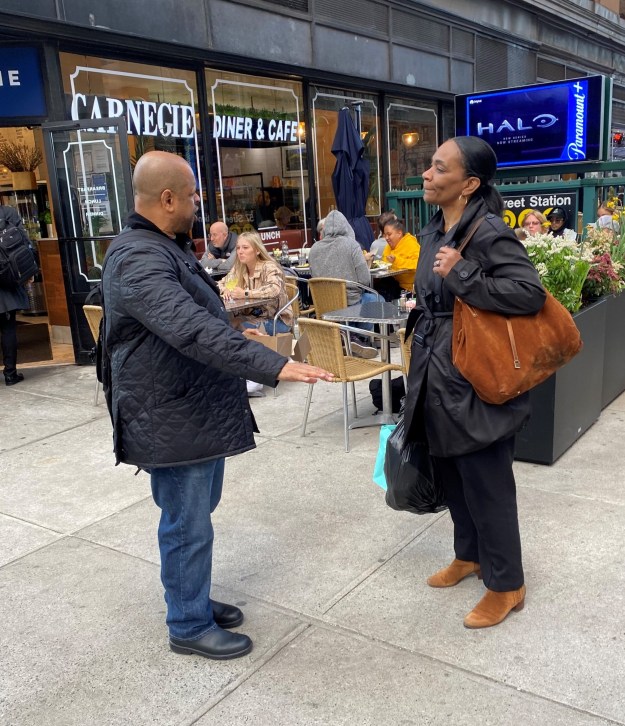
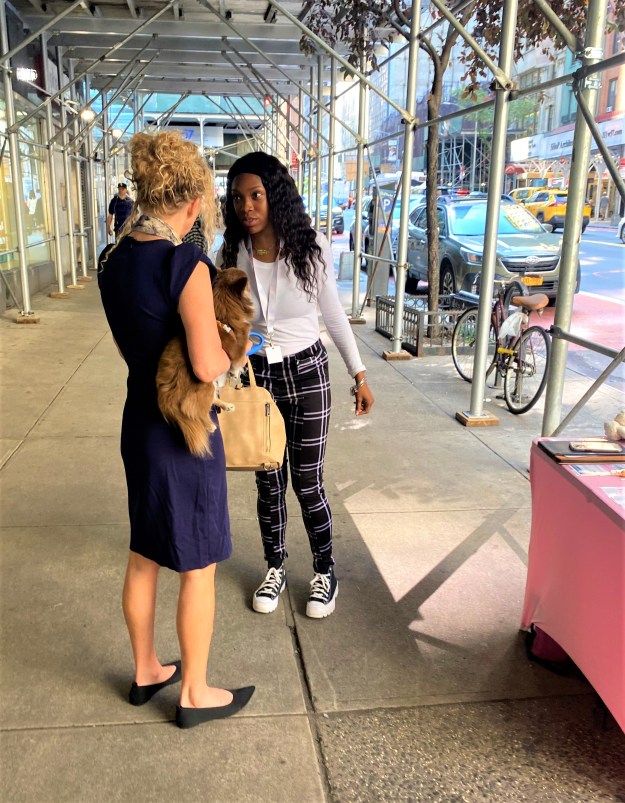
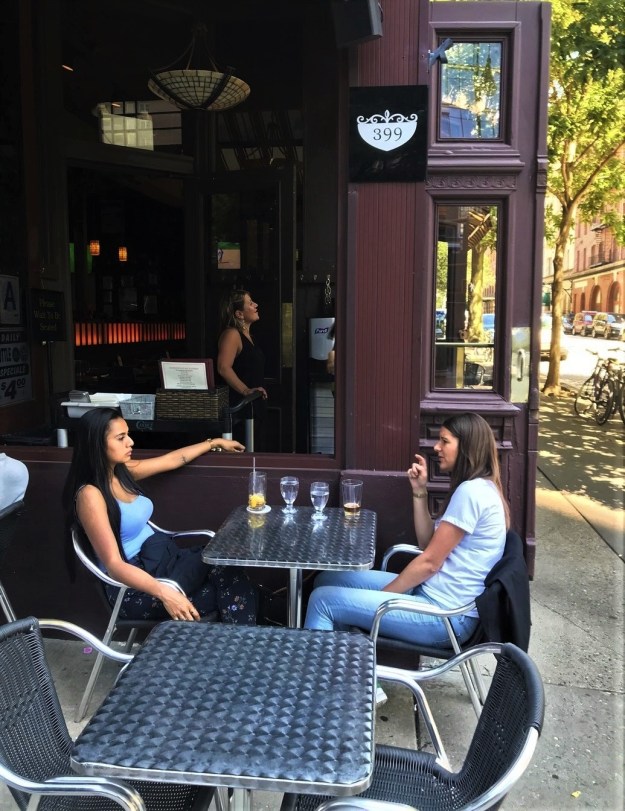
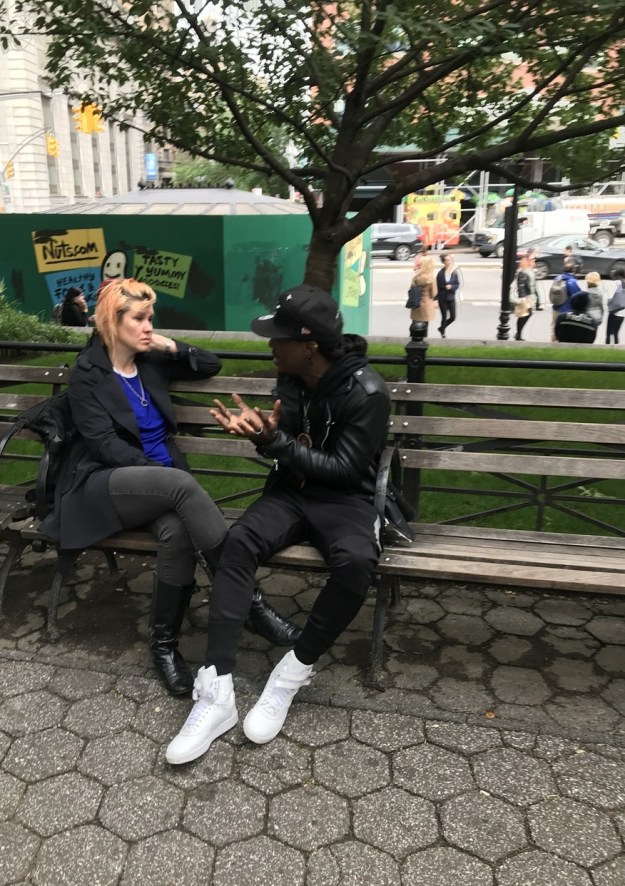
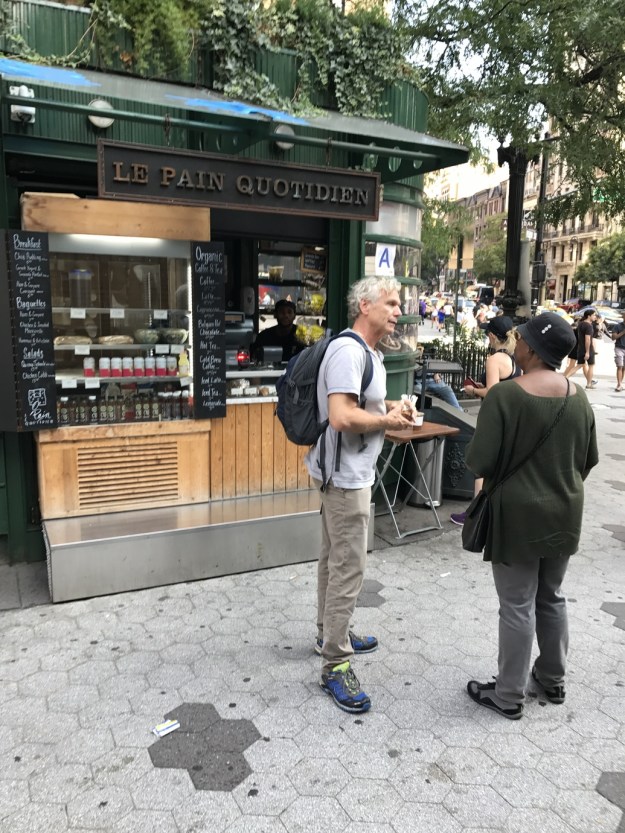
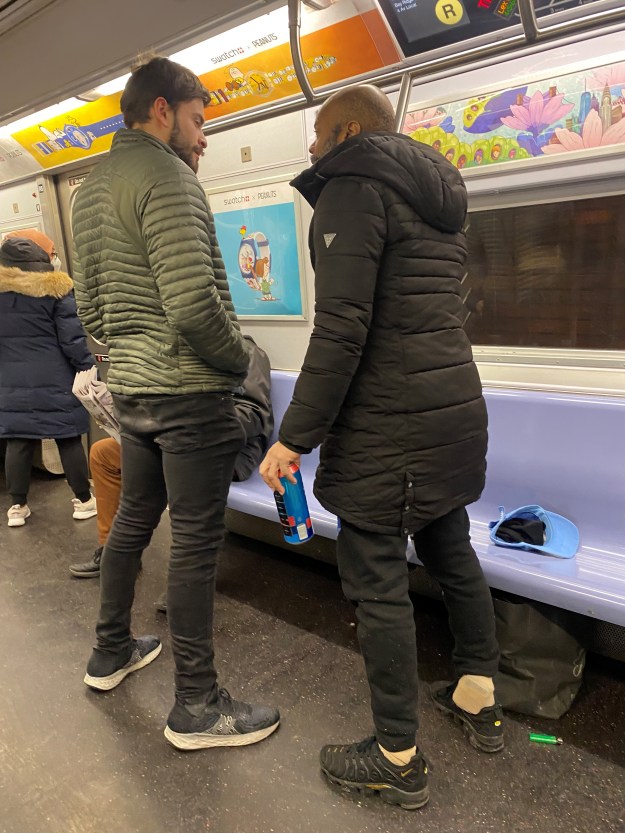
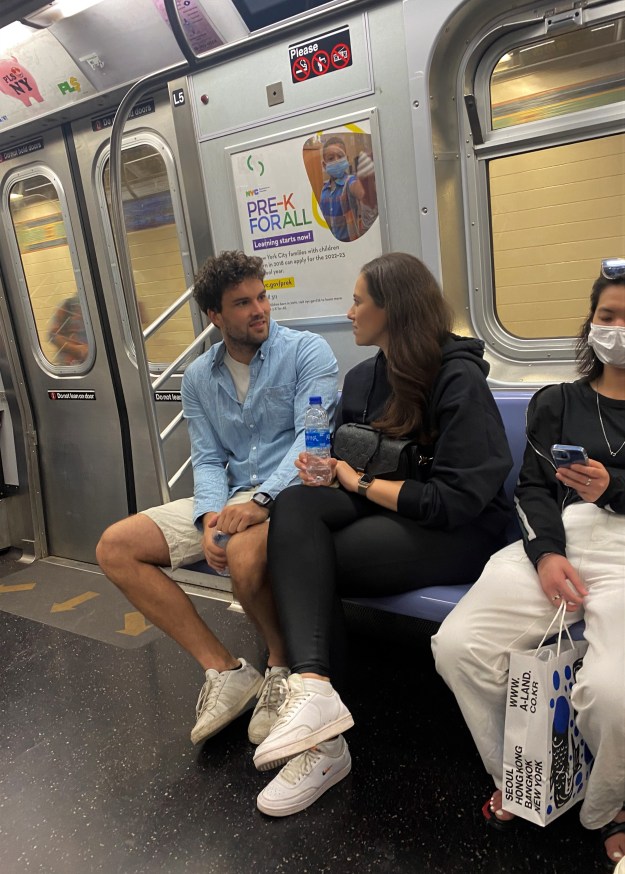
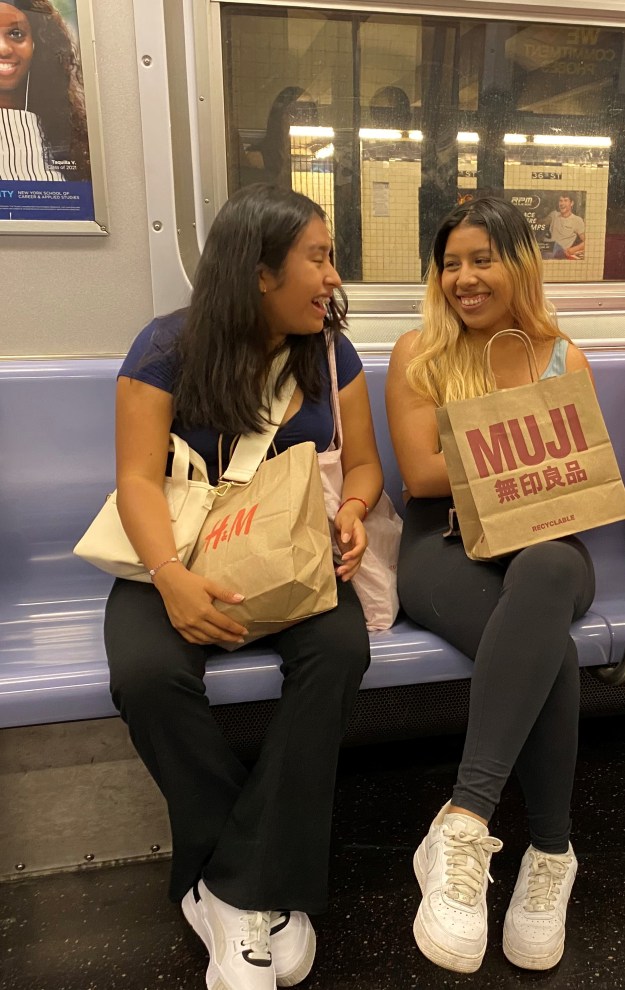
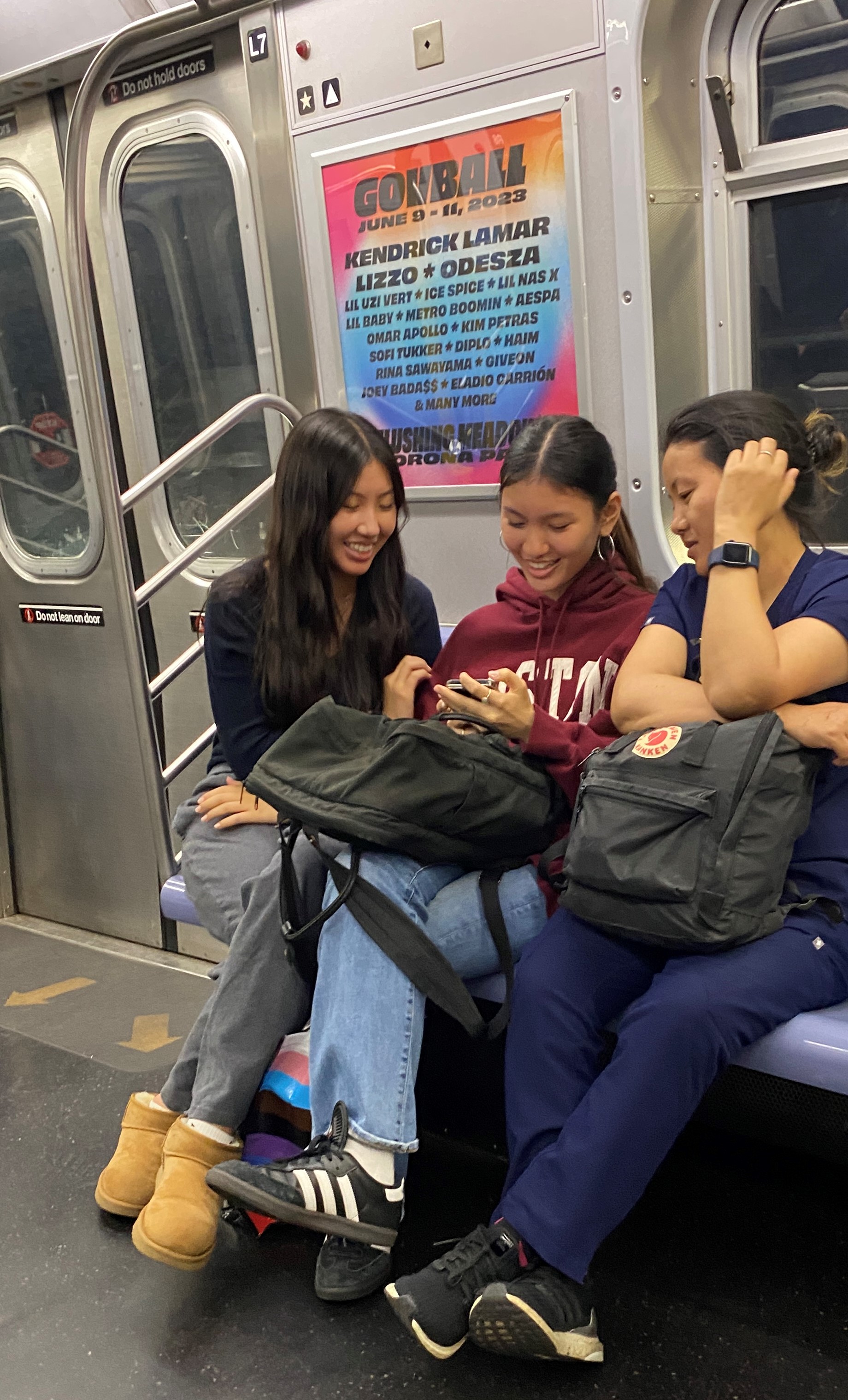
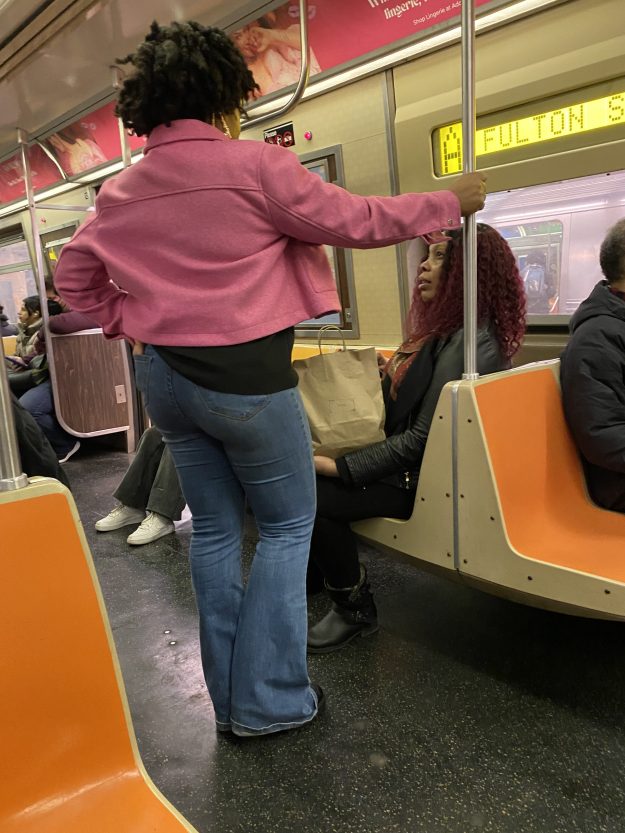
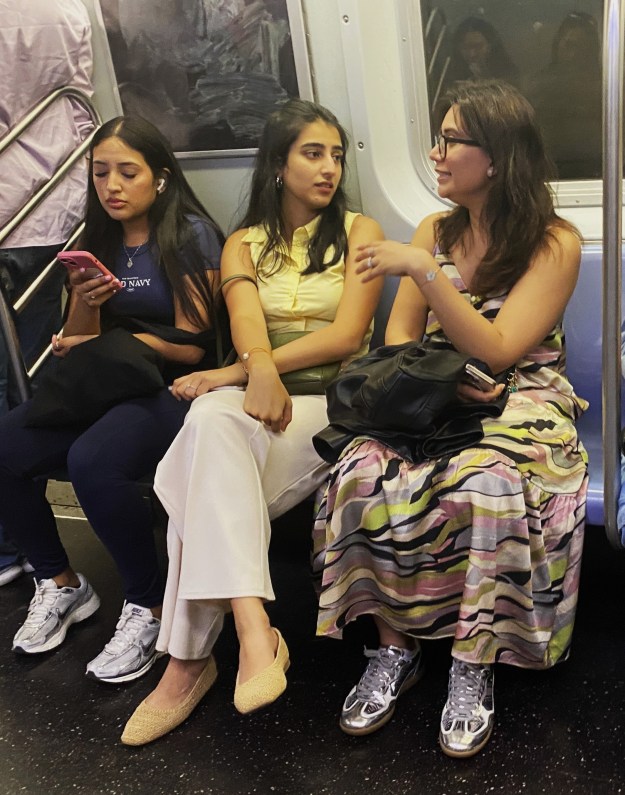
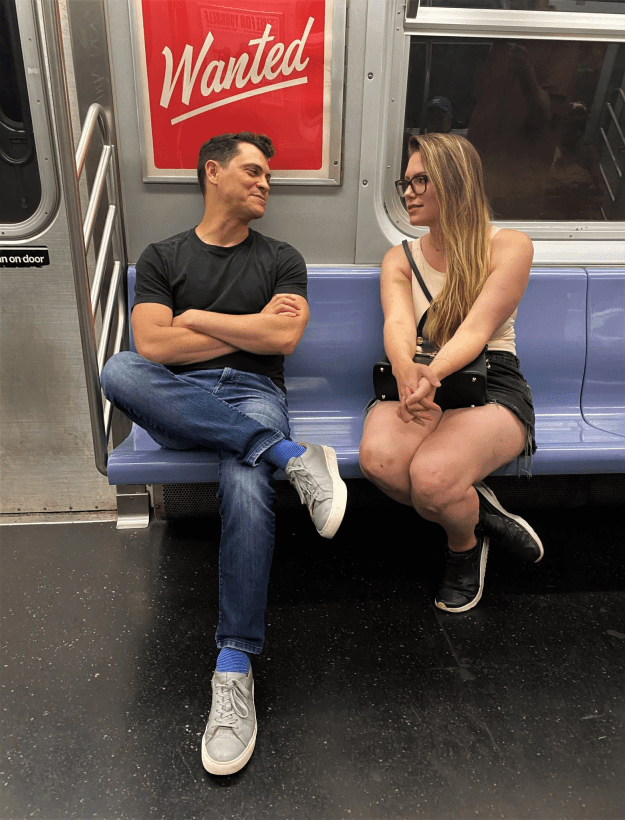
NYC encourages conversation (a photo-essay)


“The blab of the pave … the … talk of the promenaders”

— Walt Whitman, “Song of Myself” (cataloguing the delights of the City)


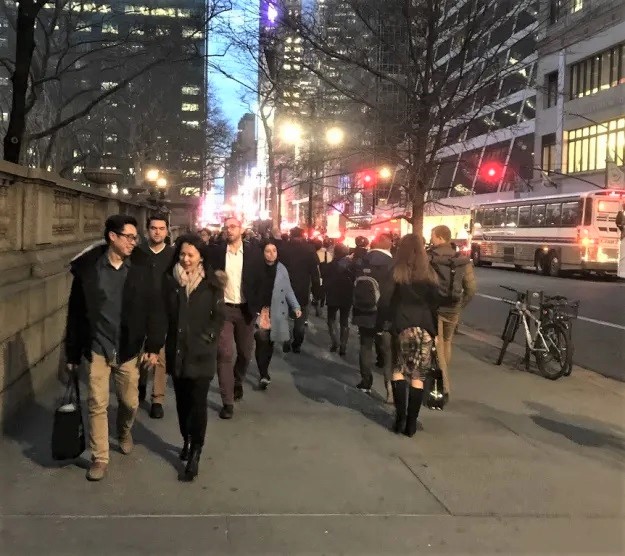
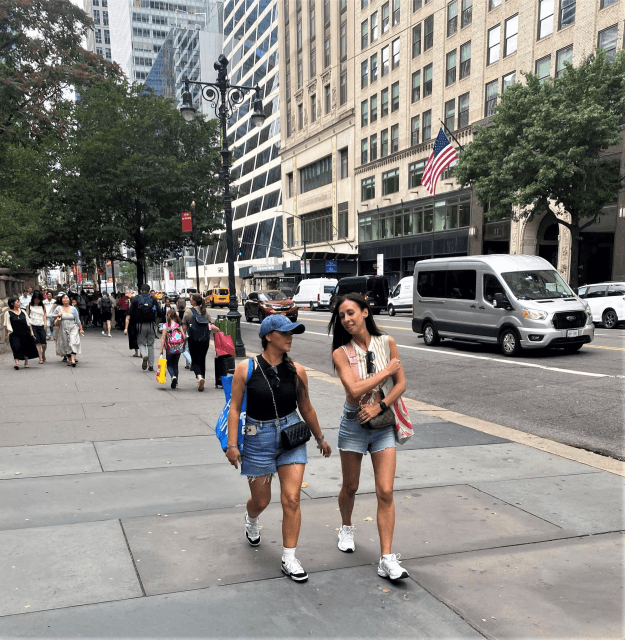
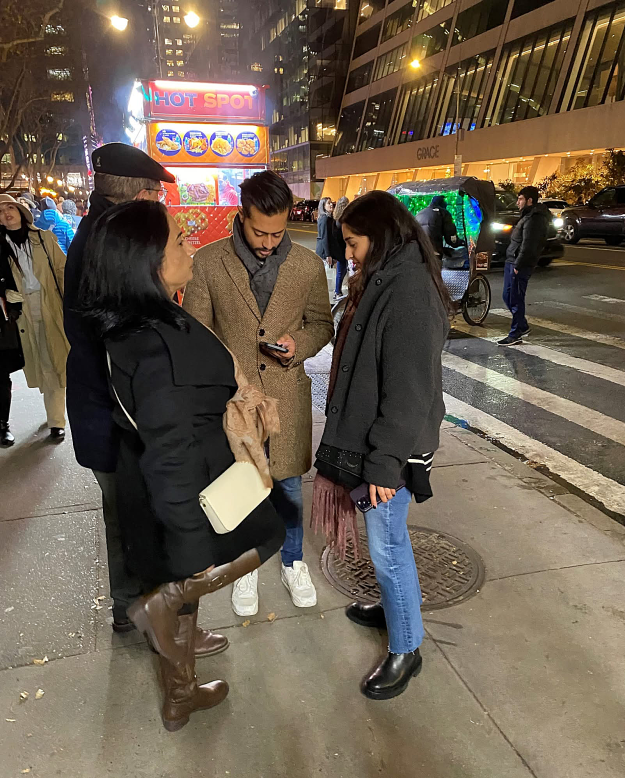
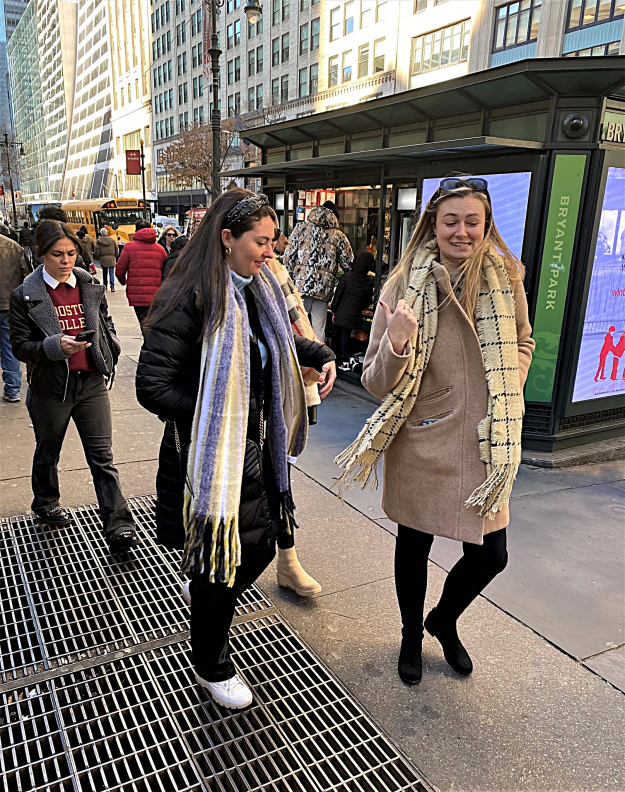
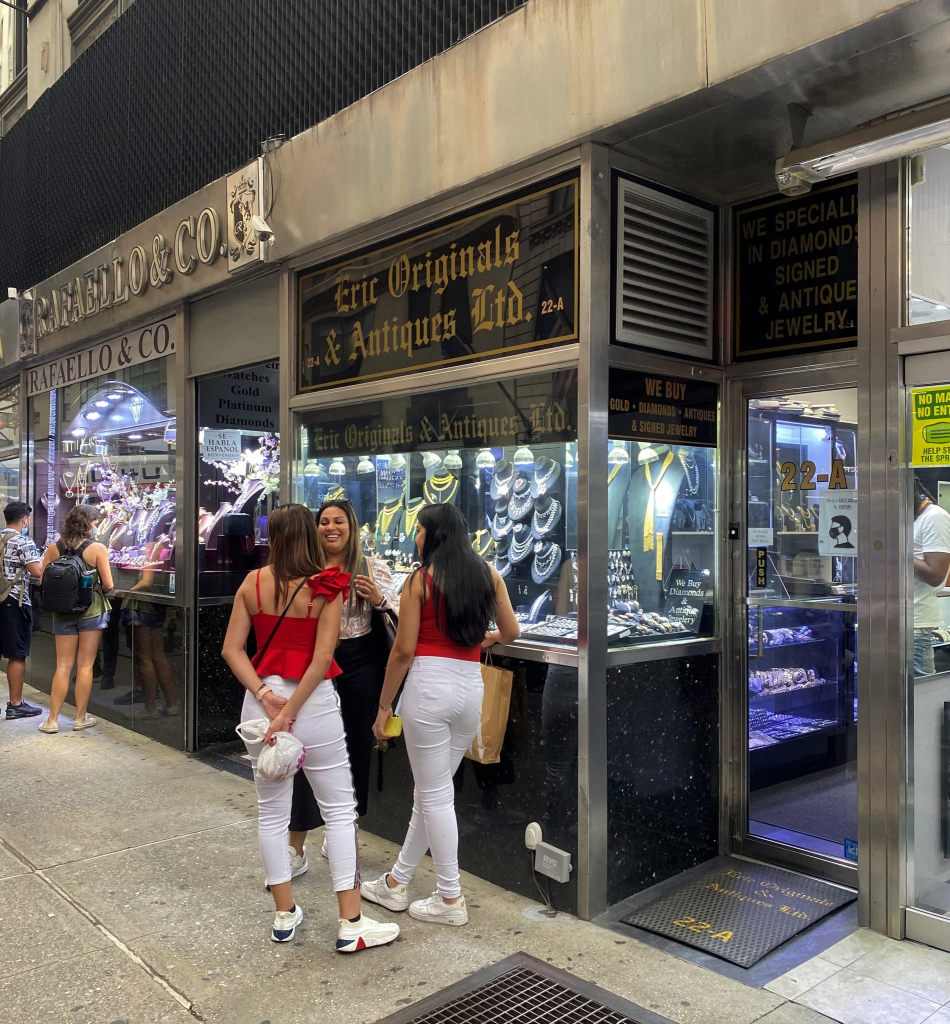
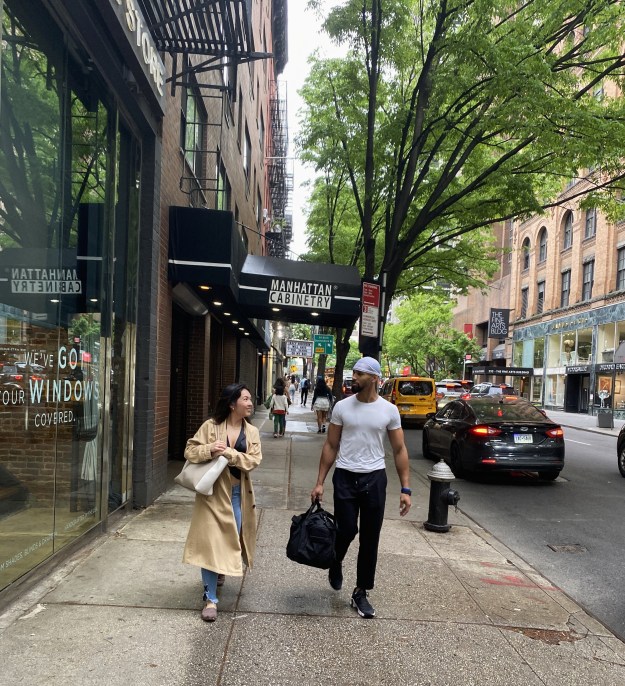
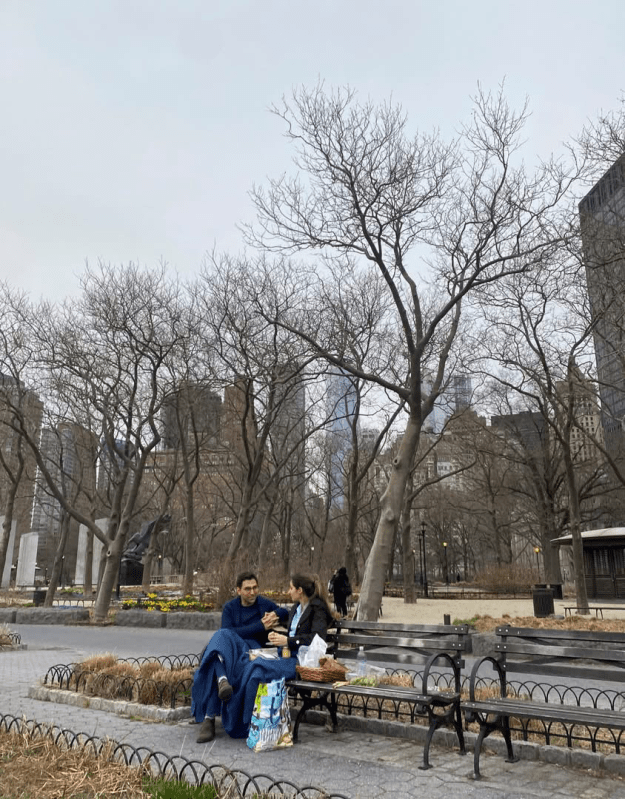
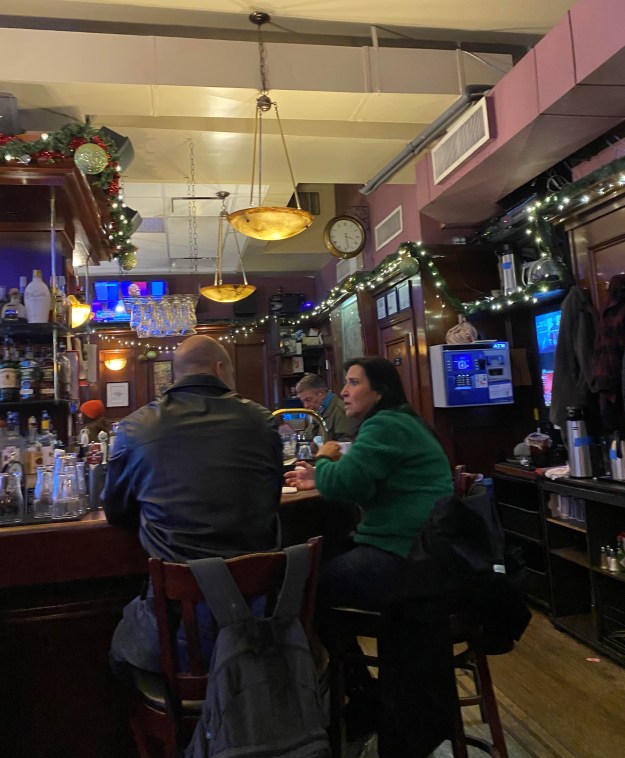
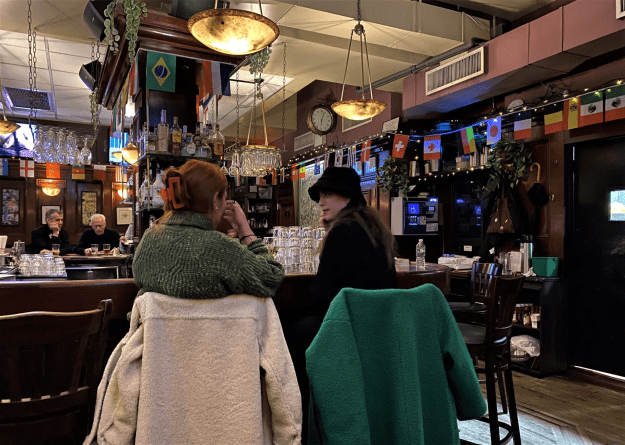
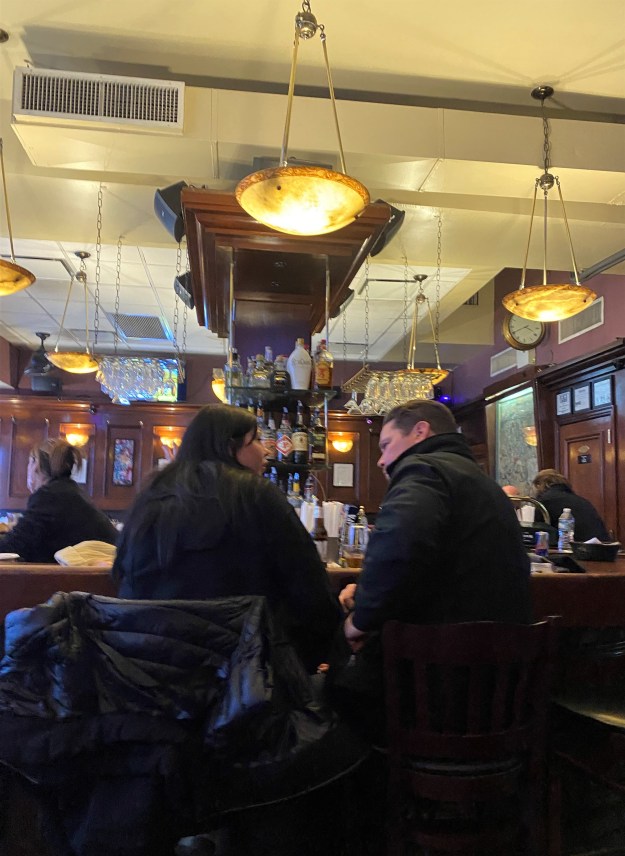
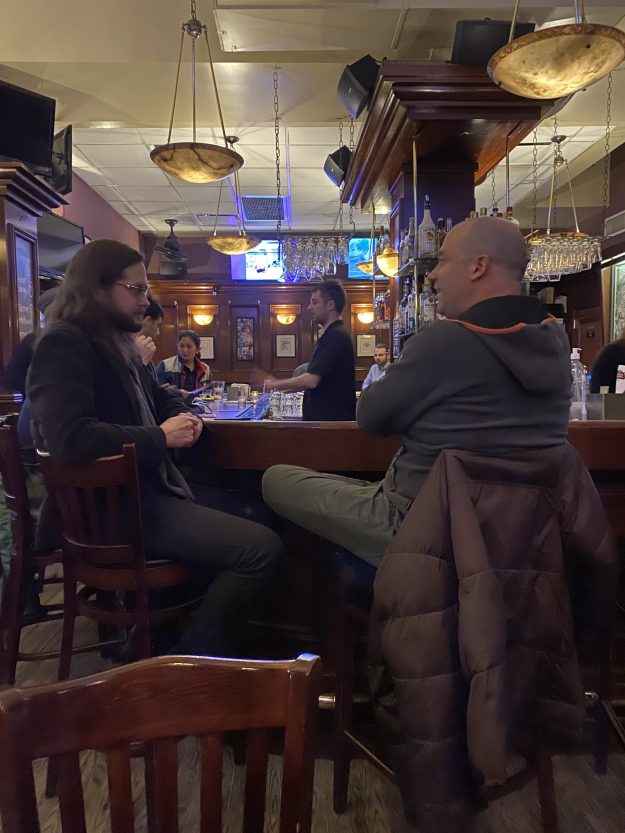
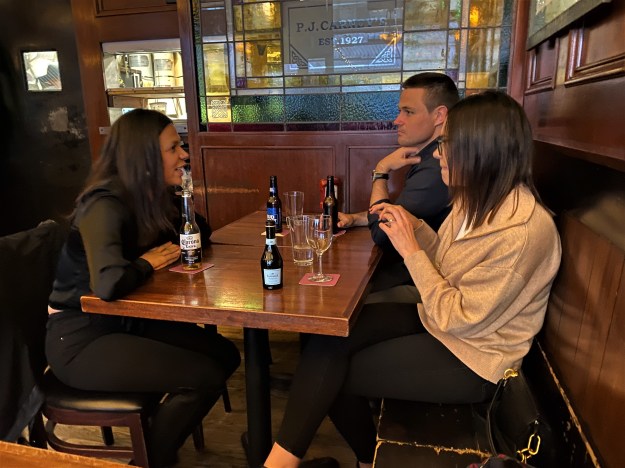
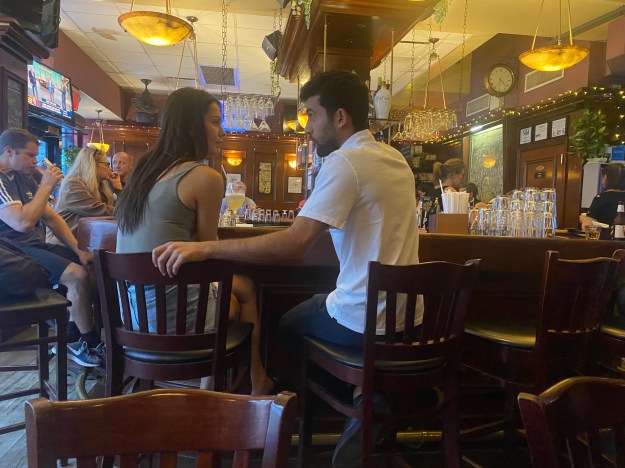
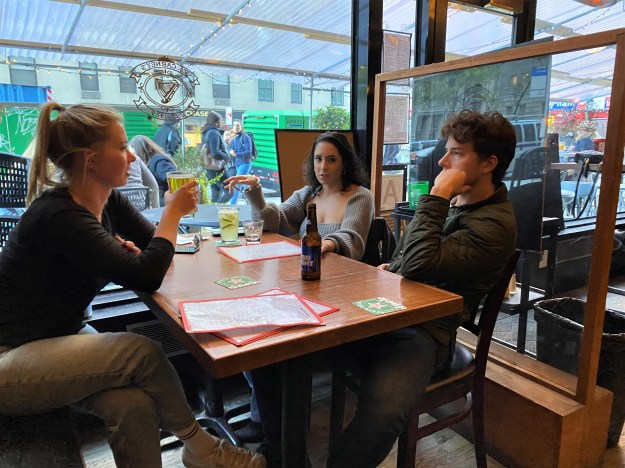
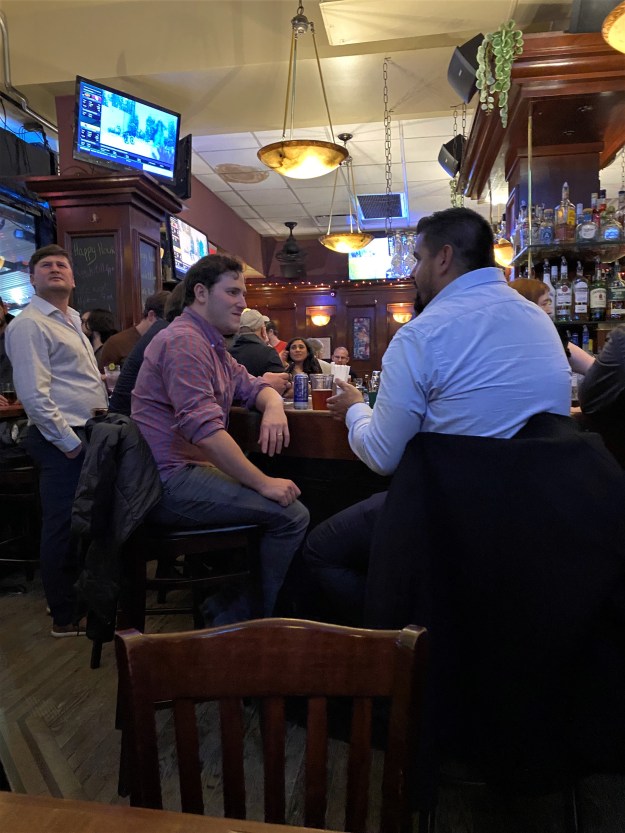
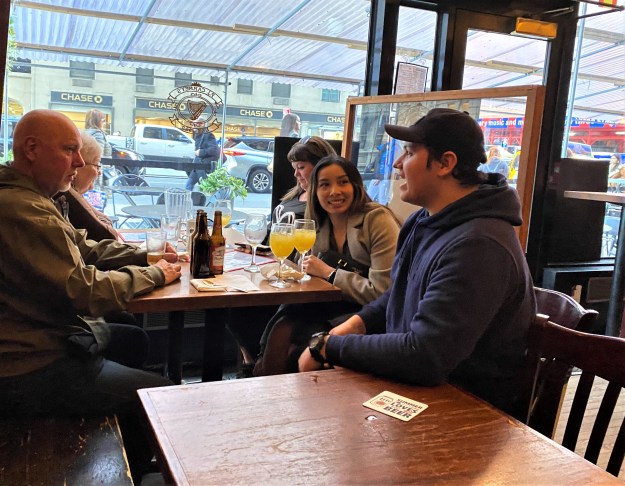
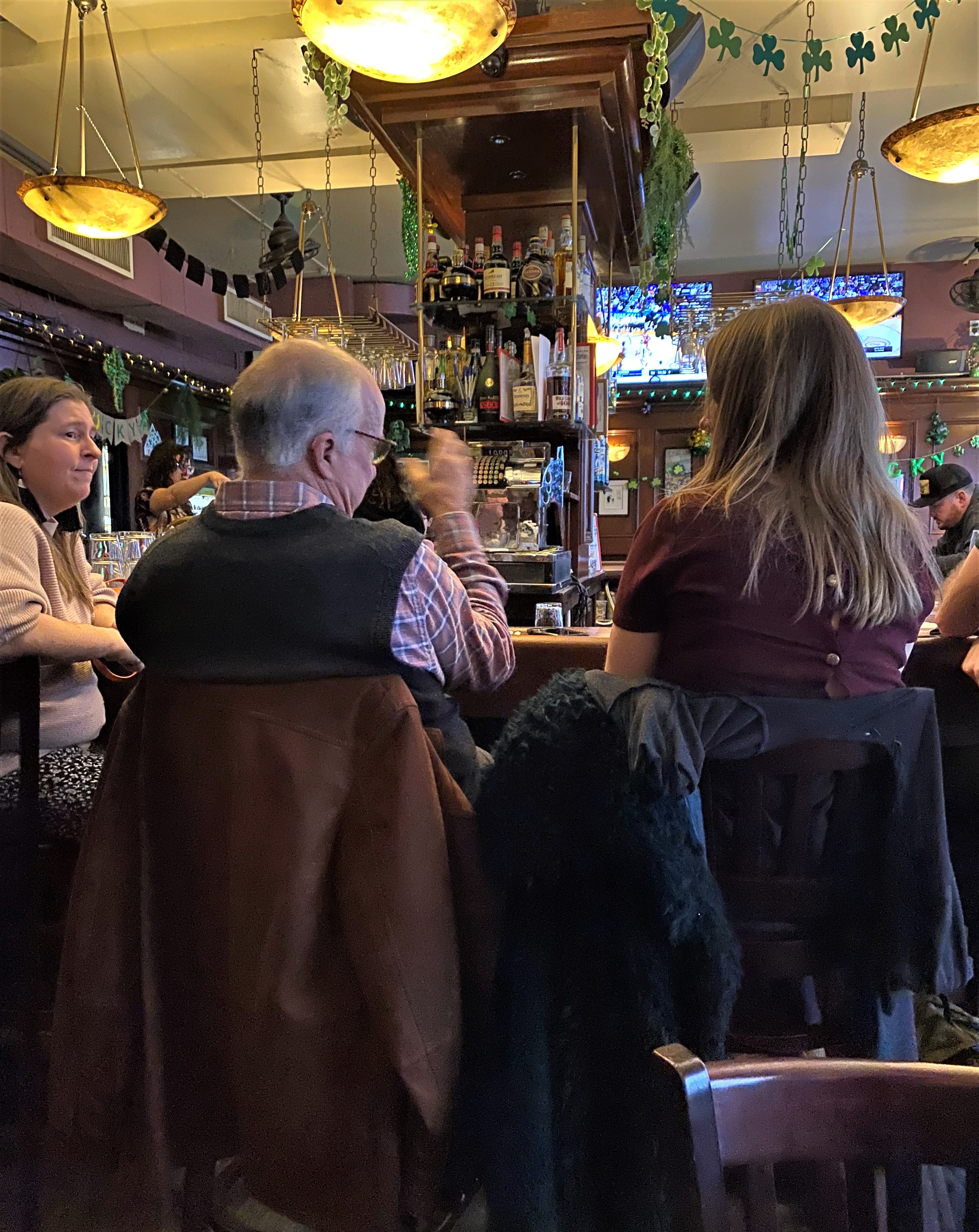
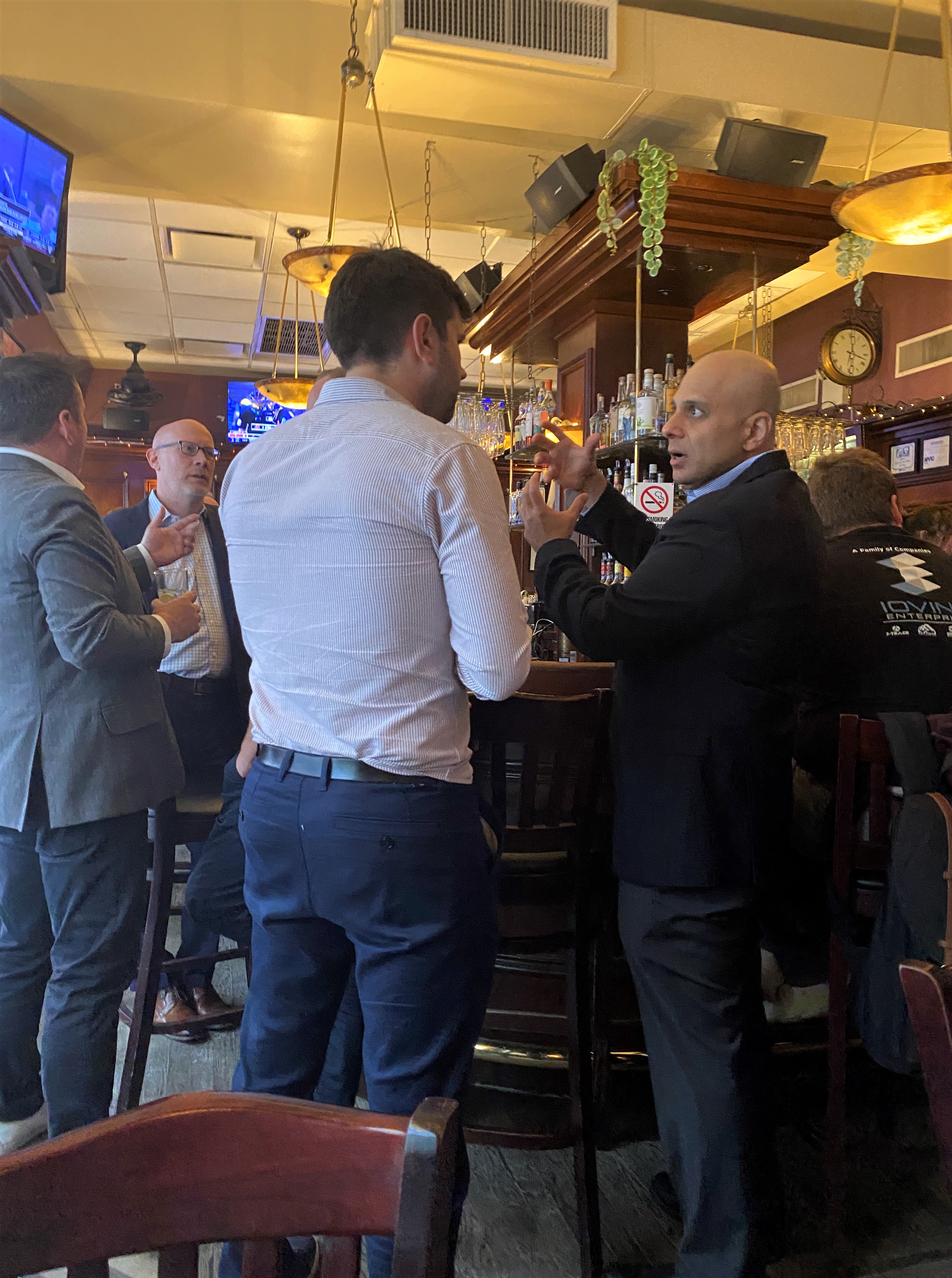
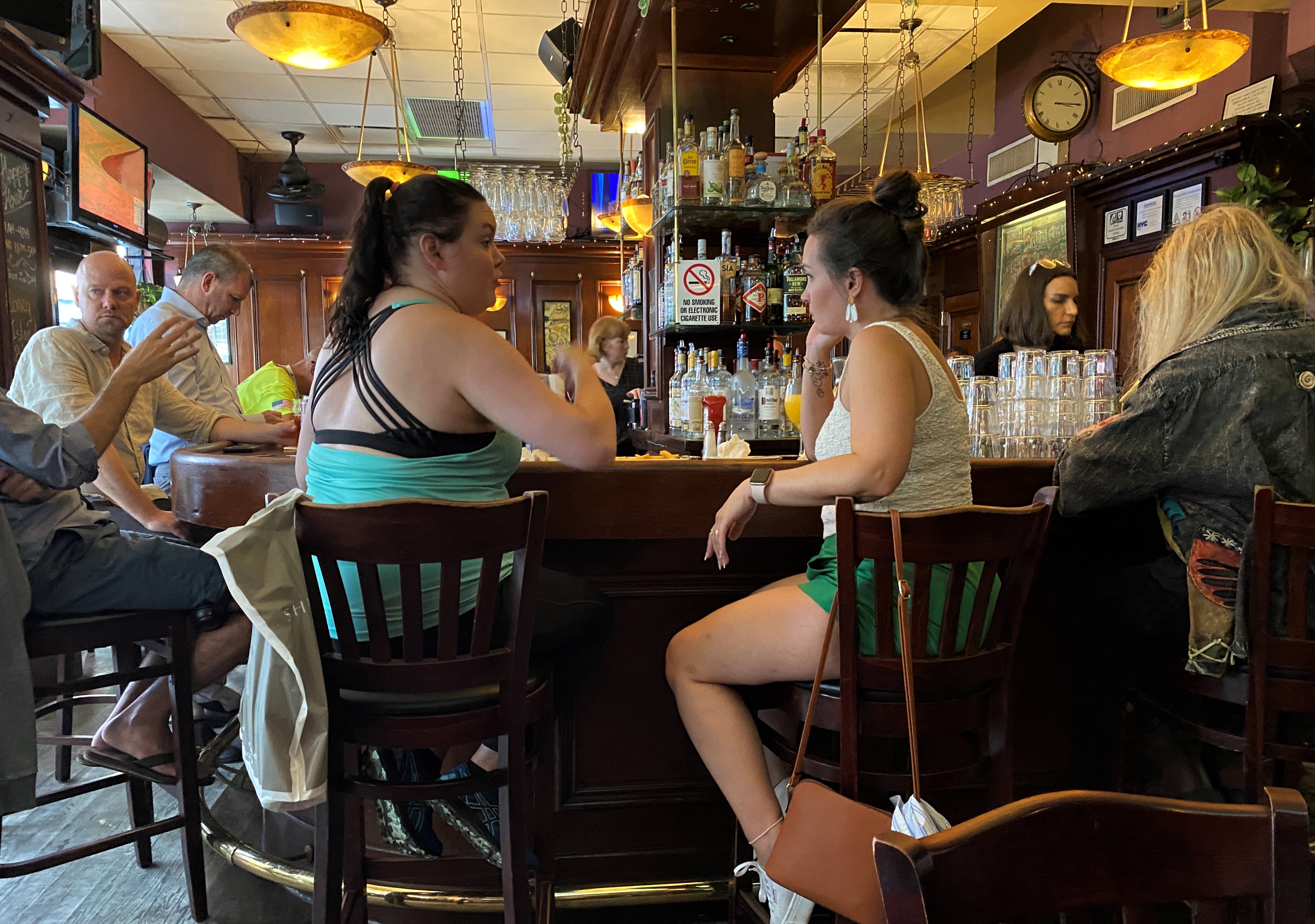
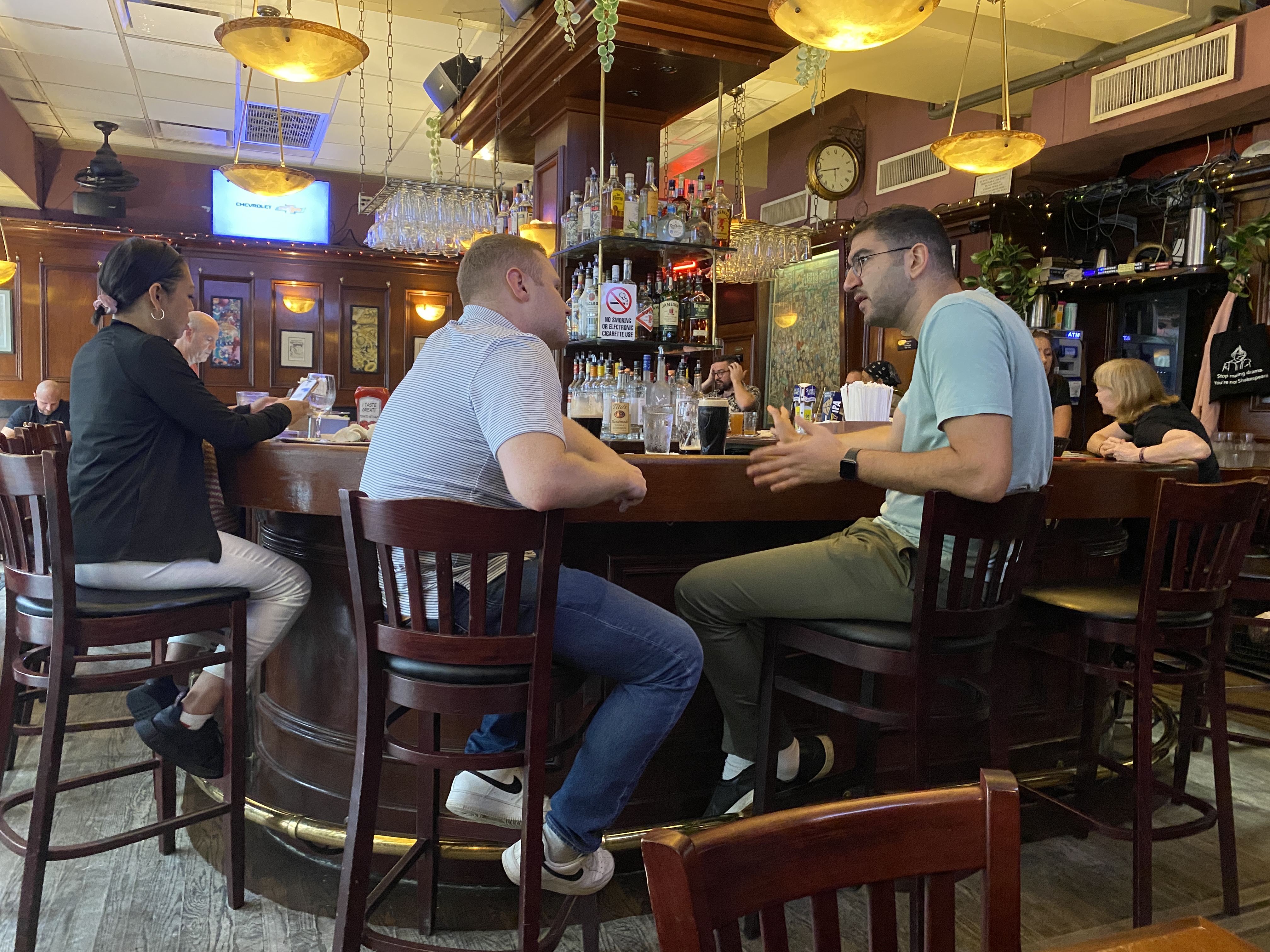
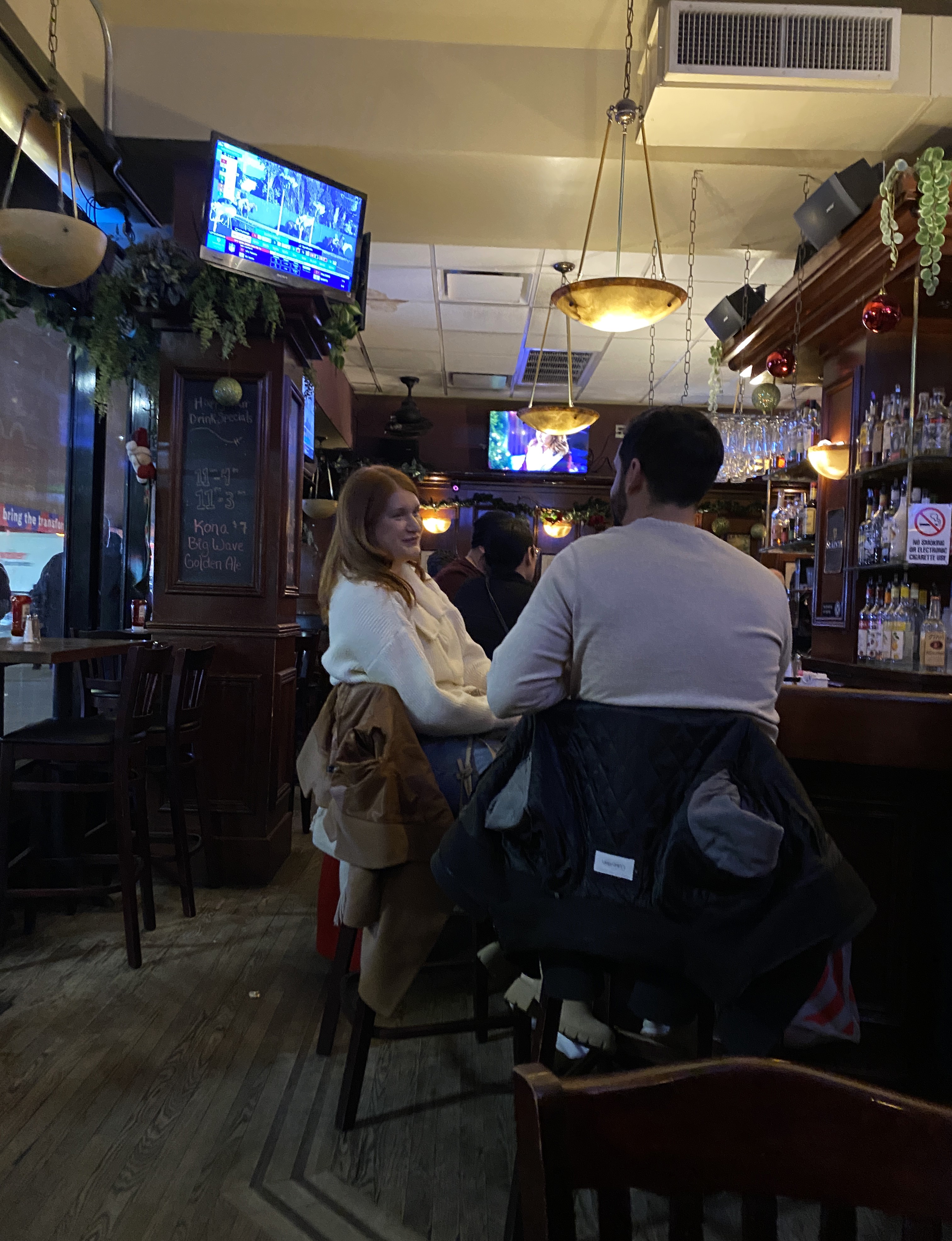
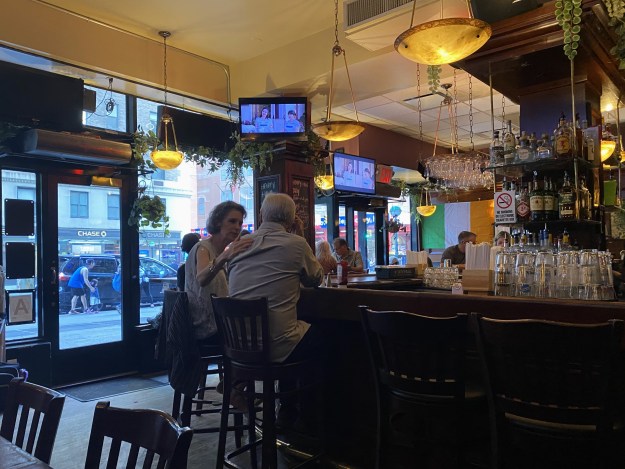
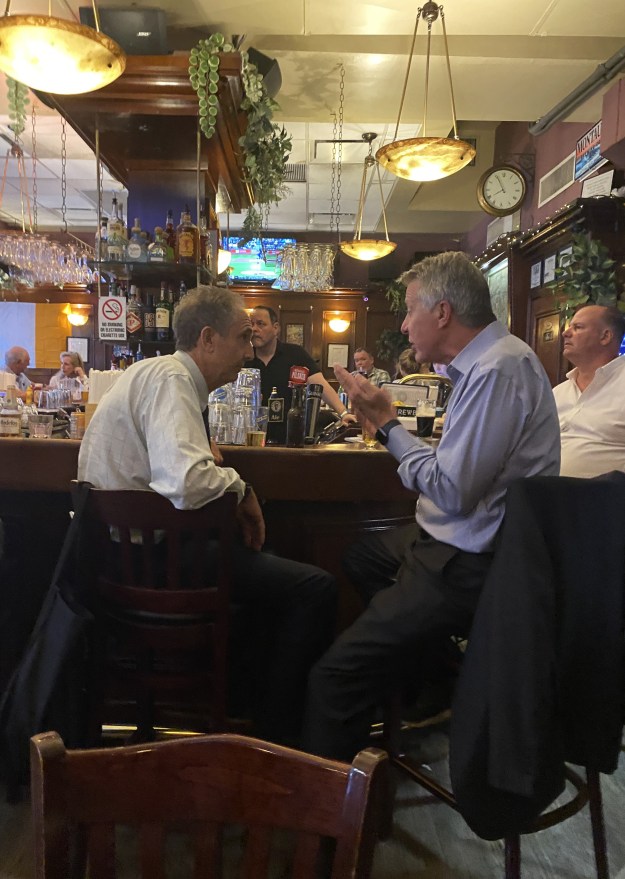
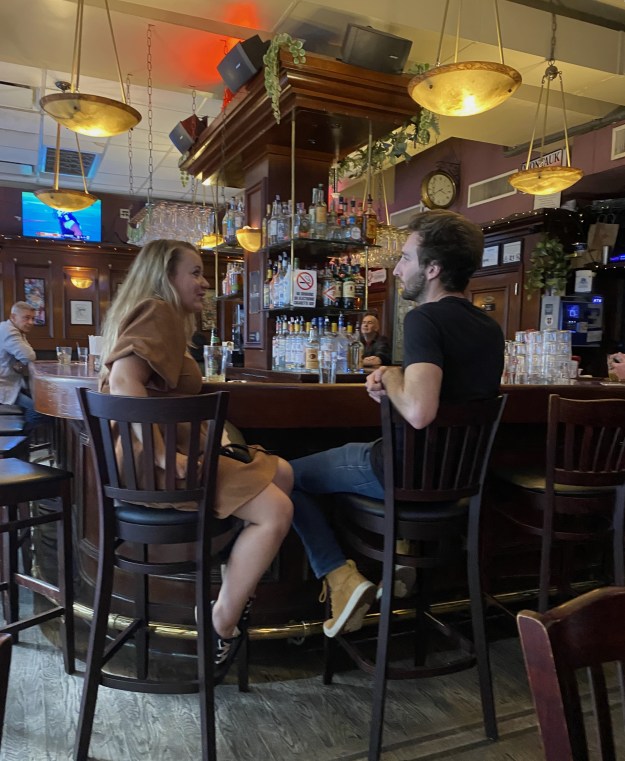
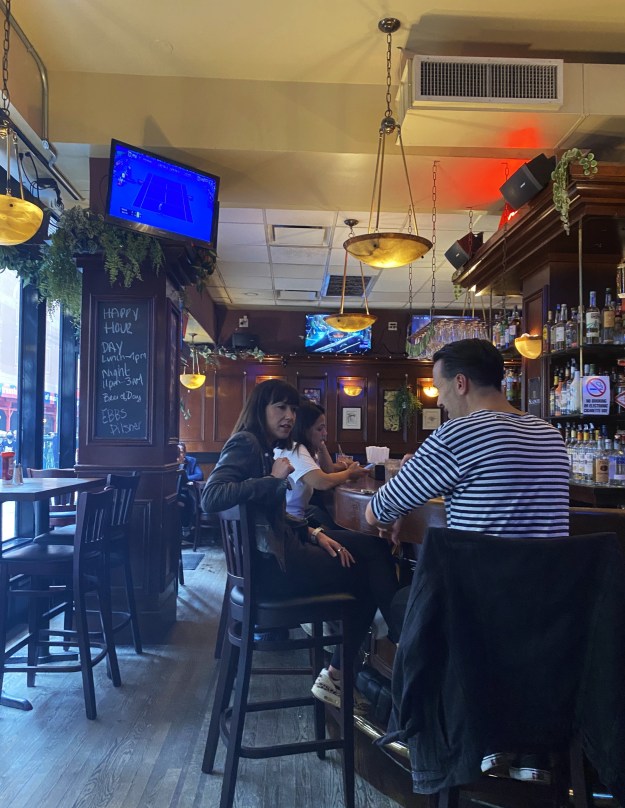
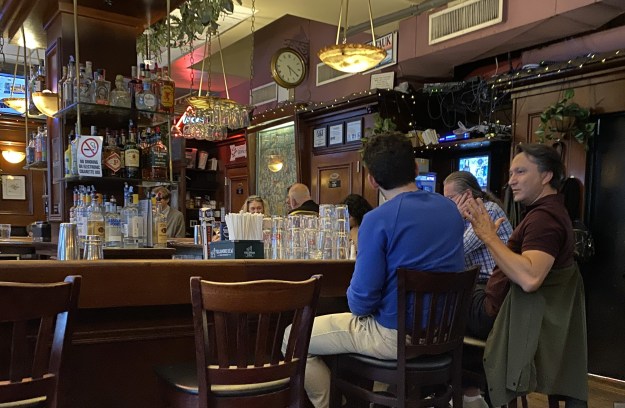
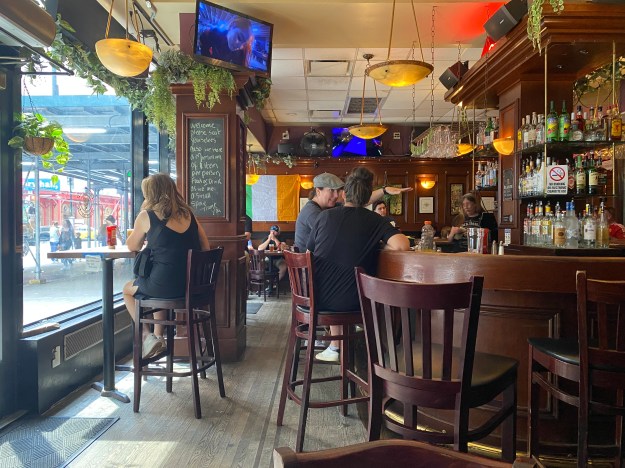
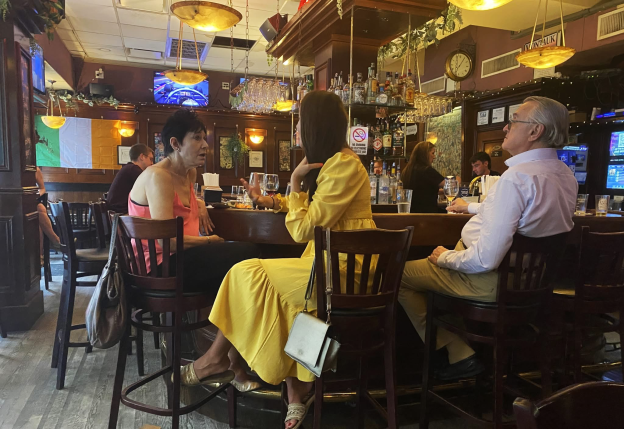
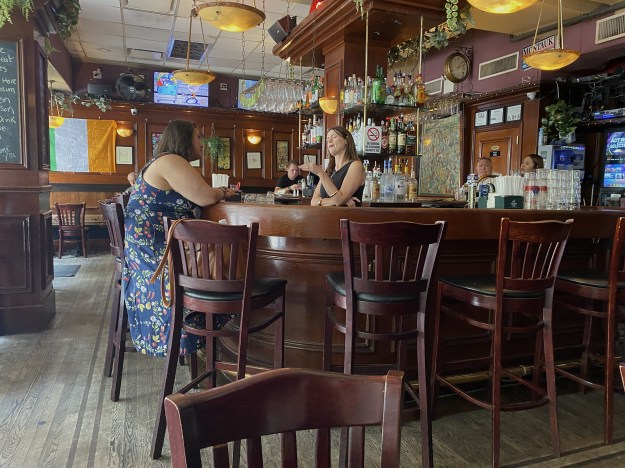
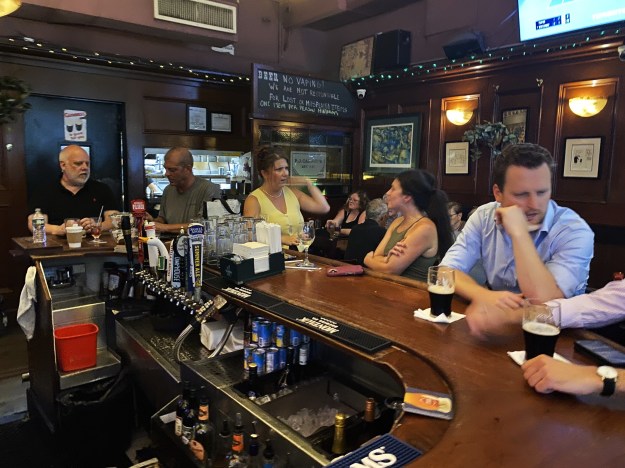
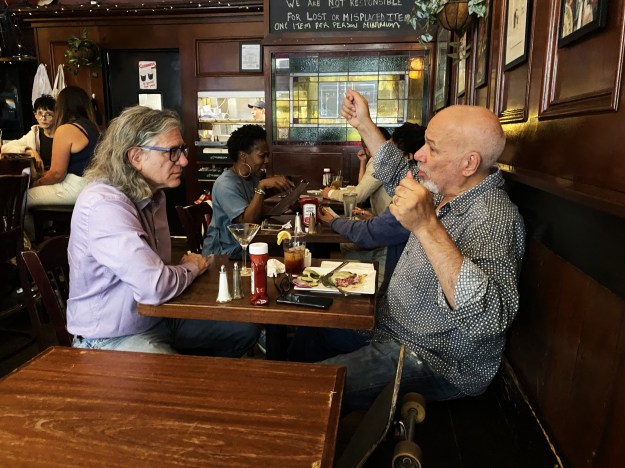
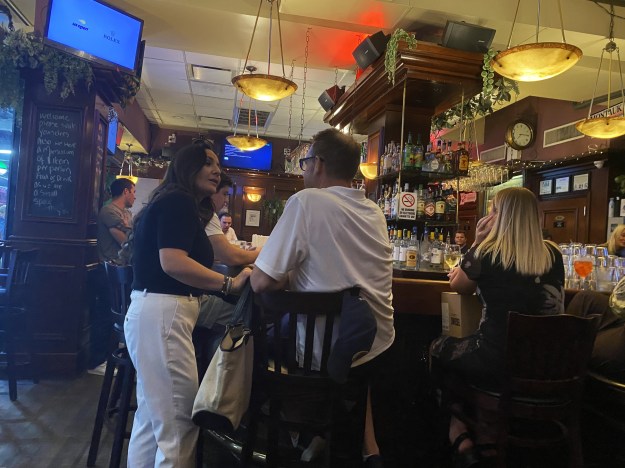
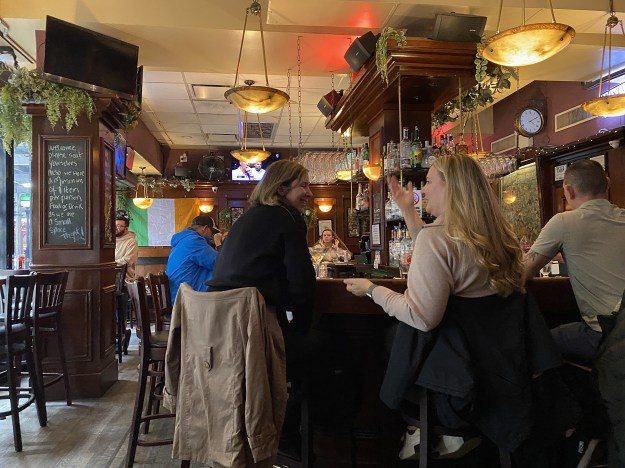
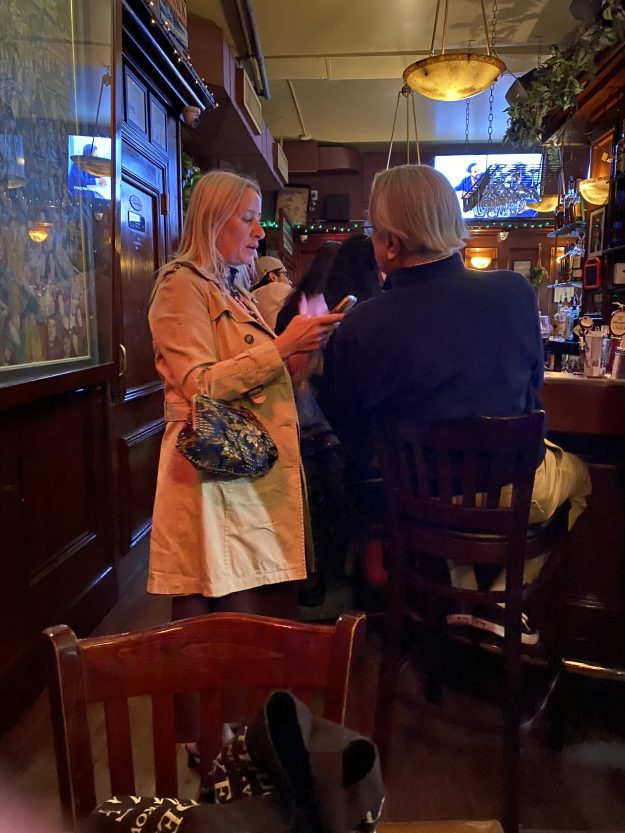
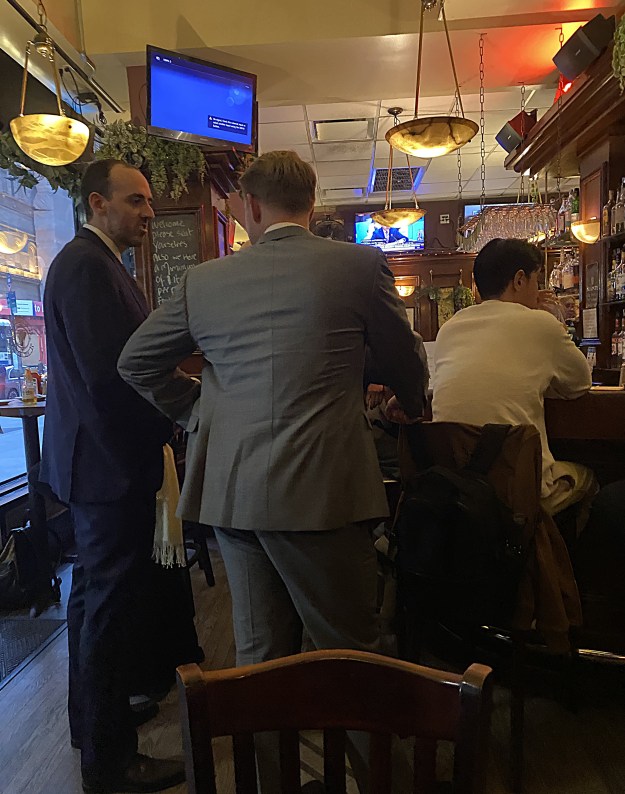
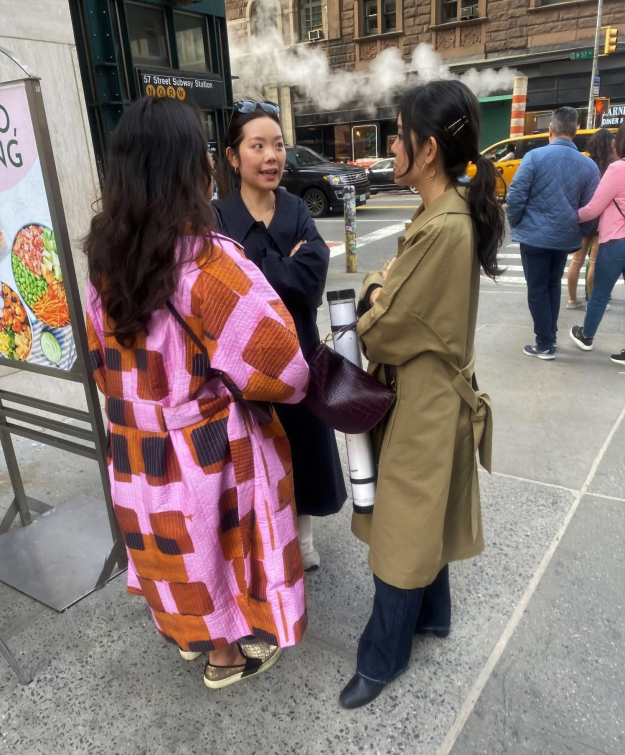
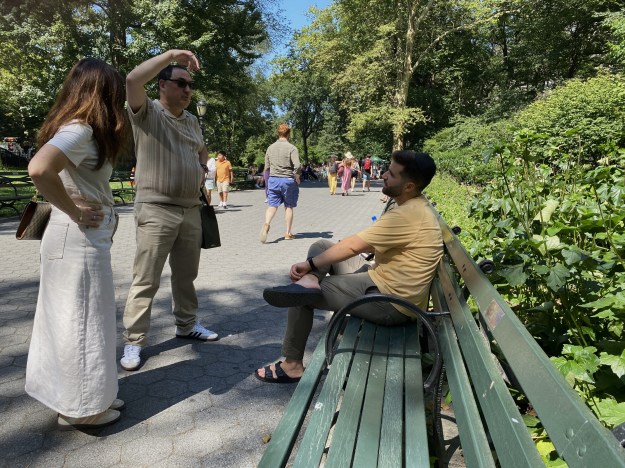
I continuously see people on the street, in the park on sidewalk benches, in gathering places such as cafes and bars — everywhere — in pairs or larger groupings, engaged in deep conversation and repartee.

People feel less self-conscious in New York. Free to express themselves. New York encourages thought and exchange of ideas.

It’s wonderfully liberating.


— Roger W. Smith

   June 2019; updated January 2026


*****************************************************

Addendum: Another thought. The fact that NYC is in large part a city in which people are on foot when they are outdoors, and not in cars, but instead are walking, or resting on benches, say; and, when they are traveling, are often on subways or buses, where conversation frequently occurs, is a facilitator of conversation and interaction.


****************************************************

photographs by Roger W. Smith


42nd Street

42nd Street

42nd Street

42nd Street

42nd Street

Sixth Avenue

59th Street.jpg

59th Street

Battery Park City

Battery Park City

Bryant Park

Bryant Park

Bryant Park

Bryant Park

Central Park

Central Park (2).jpg

Central Park near Columbus Circle

Central Park (3).jpg

Central Park

Central Park

City Hall Park 2-58 p.m. 6-23-2019.JPG

City Hall Park

Fifth Avenue

Fifth Avenue

Fifth Avenue

Fifth Avenue

Fifth Avenue

Grand Central Oyster Bar

Hudson River Park

Hudson River Park

Hudson River Park (2).jpg

Hudson River Park

Hudson River Park (3)

Hudson River Park

Hudson Yards.jpg

Hudson Yards

Hudson Yards

Lexington Avenue

Lexington Avenue

Madison Square Park.jpg

Madison Square Park

Madison Square Park (2).jpg

Madison Square Park

Madison Square Park (3)

Madison Square Park

Madison Square Park (4).jpg

Madison Square Park

Madison Square Park (5).jpg

Madison Square Park

Madison Square Park (6).jpg

Madison Square Park

Madison Square Park (7).jpg

Madison Square Park

Madison Square Park (8).jpg

Madison Square Park

Madison Square Park (9).jpg

Madison Square Park

Madison Square Park 10-10-2019.JPG

Madison Square Park

Gregory's Coffee 7-7-2019

Ninth Avenue coffeehouse

P. J. Carney’s pub, Seventh Avenue

P J. Carney’s pub

P. J. Carney’s

P. J. Carney’s

P. J. Carney’s

P J. Carney’s

P. J. Carney’s

P. J. Carney’s

P. J. Carney’s

P. J. Carney’s

P. J. Carney’s

P. J. Carney’s

P. J. Carney’s

P. J. Carney’s

P. J. Carney’s

P. J. Carney’s

P. J. Carney’s

P. J. Carney’s

P. J. Carney’s

P. J. Carney’s

P. J. Carney’s

P. J. Carney’s

P. J. Carney’s

P. J. Carney’s

P. J. Carney’s

P. J. Carney’s

P. J. Carney’s

P. J. Carney’s

P. J. Carney’s

P. J. Carney’s

P. J. Carney’s

P. J. Carney’s

P. J. Carney’s

P. J. Carney’s

P, J. Carney’s

P. J. Carney’s

P. J. Carney’s

P. J. Carney’s

P. J. Carney’s

P. J. Carney’s

P. J. Carney’s

P. J. Carney’s

P J. Carney’s

P. J. Carney’s

P J. Carney’s

P. J. Carney’s

P. J. Carney’s

P J, Carney’s

P. J. Carney’s

P. J.

P. J. Carney’s

P. J. Carney’s

P. J. Carney’s

P. J. Carney’s

P. J. Carney’s

P. J. Carney’s

P. J. Carney’s


P. J. Carney’s

Rockefeller Center

Seventh Avenue

Seventh Avenue

Seventh Avenue

Sixth Avenue

Soho

Soho

Union Square Park.jpg

Union Square Park

Union Square.jpg

Union Square

Upper West Side

Upper West Side

West Side

R train

R train

R train

R train

R train

R train

R train

R train

A train

L train

L train

Seventh Avenue

59th Street

59th Street