Tag Archives: Roger W. Smith

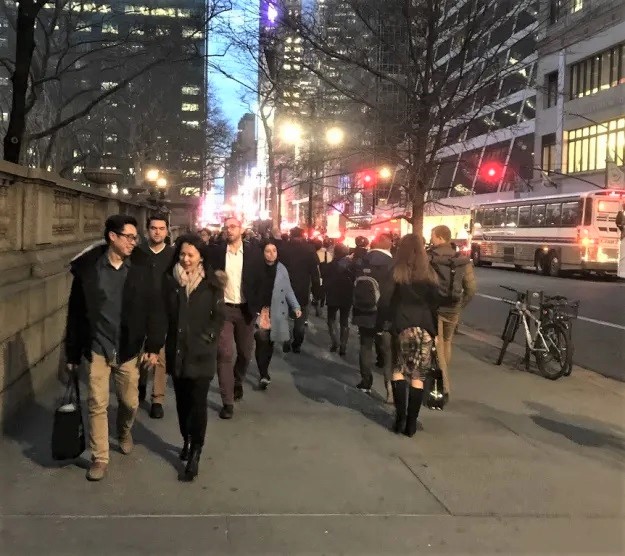
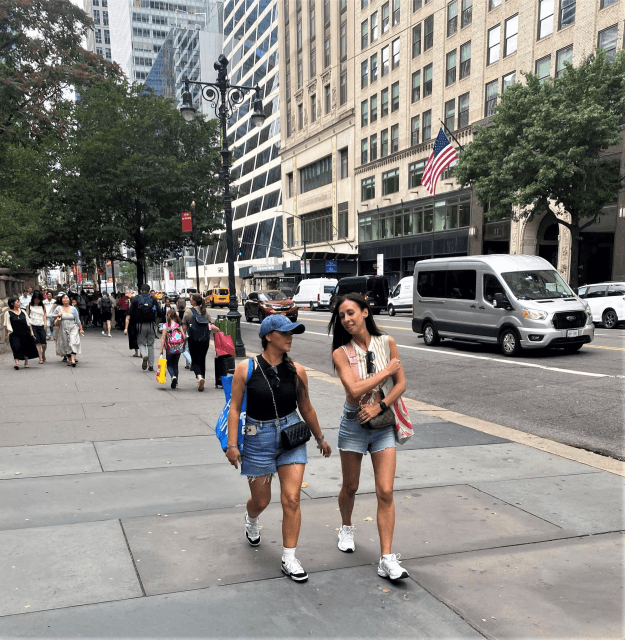
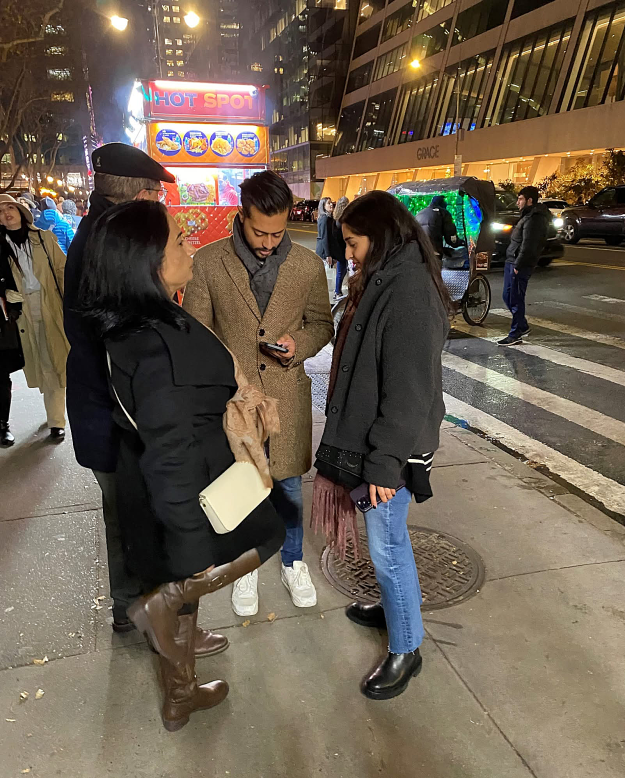
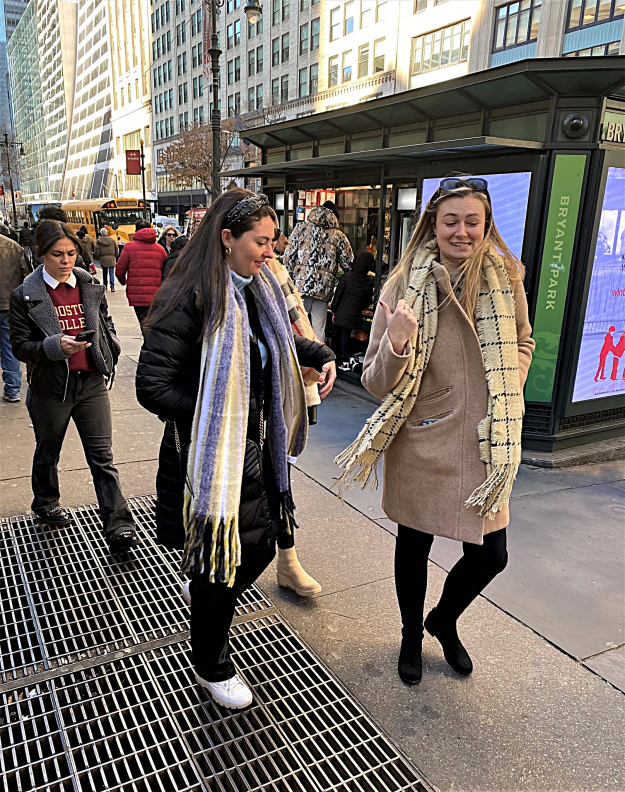
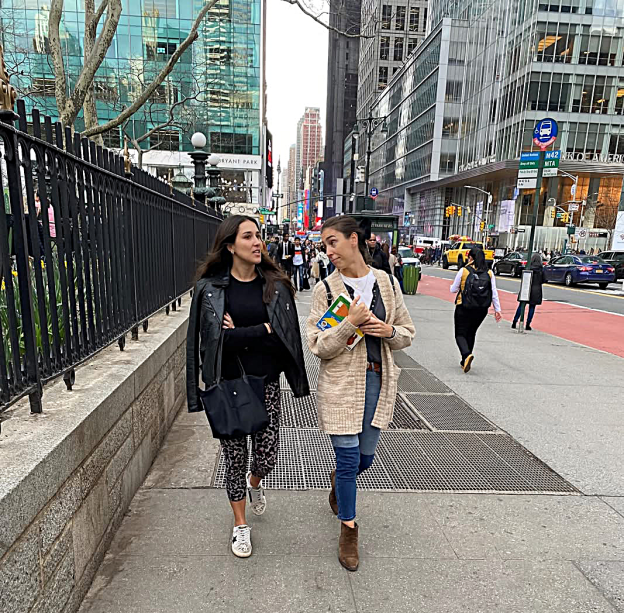
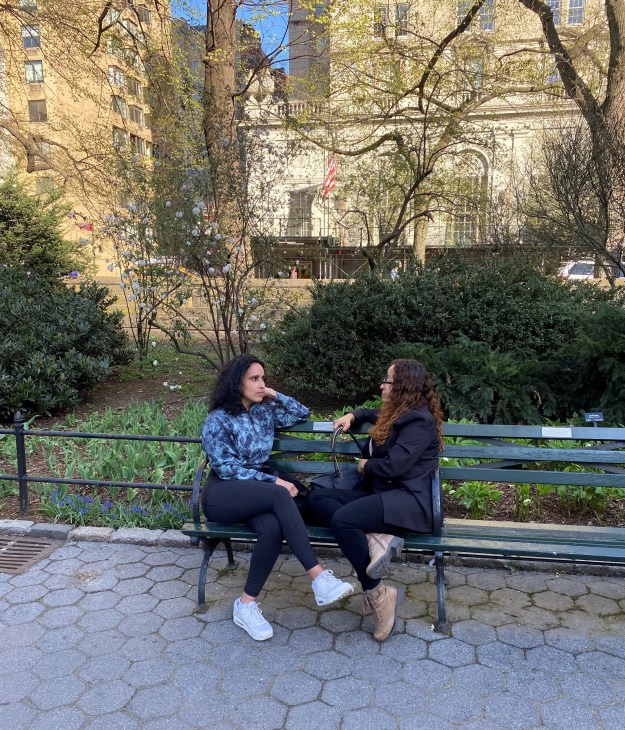
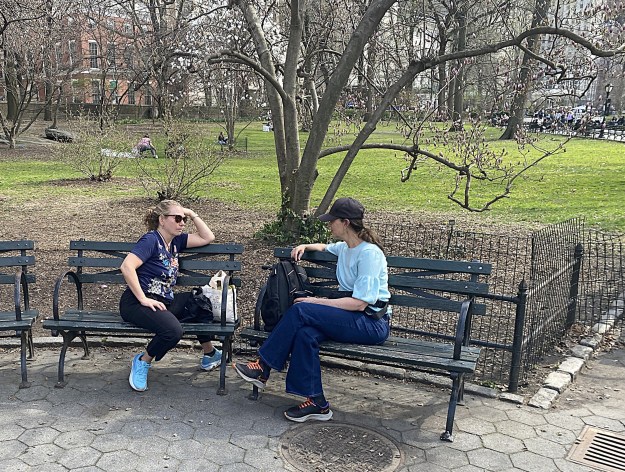
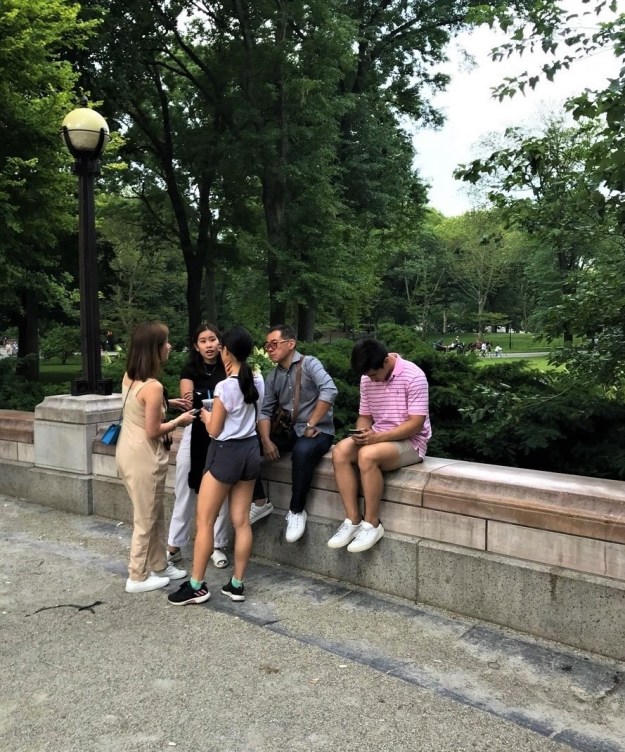
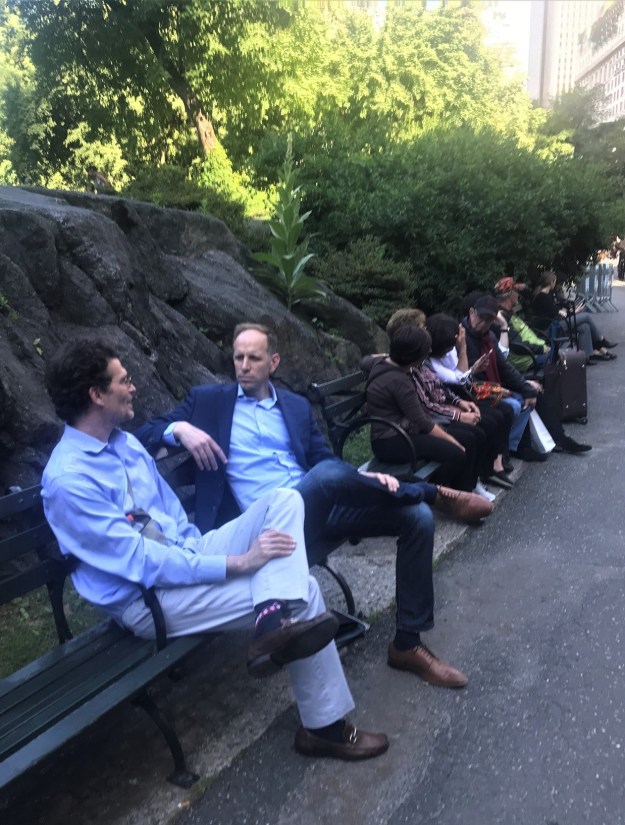
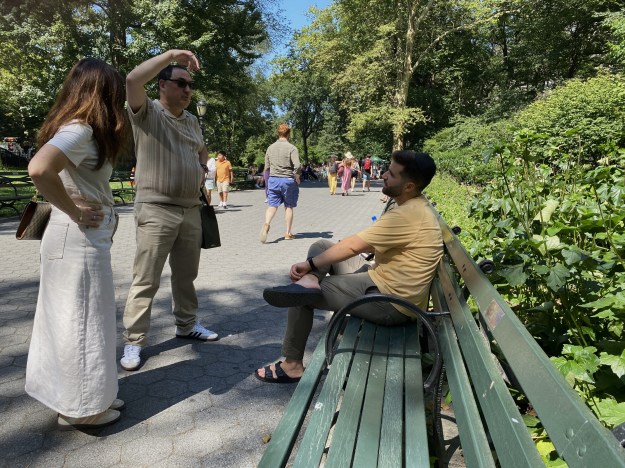
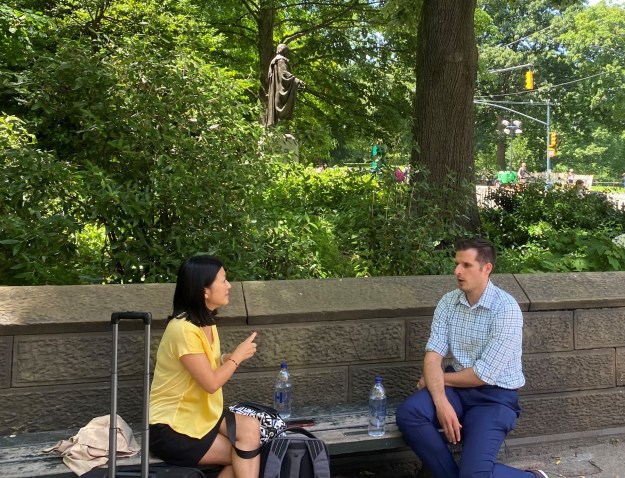
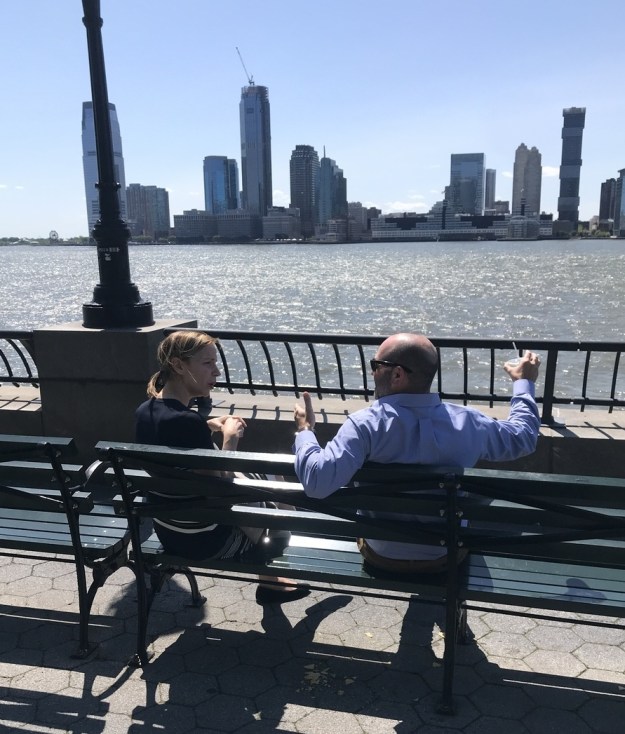
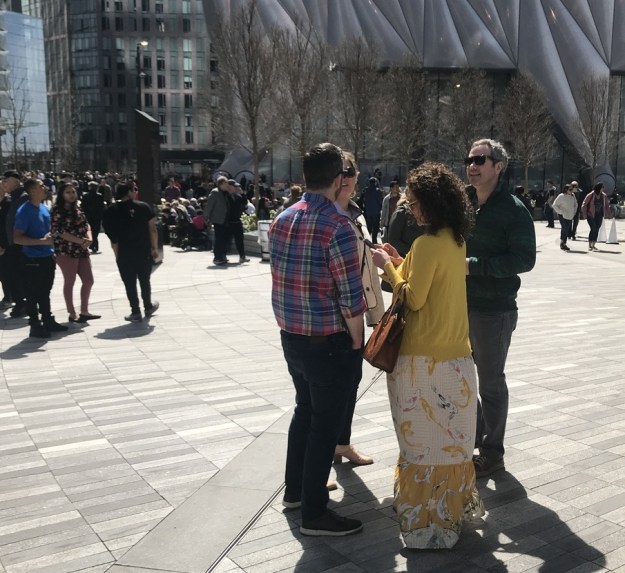
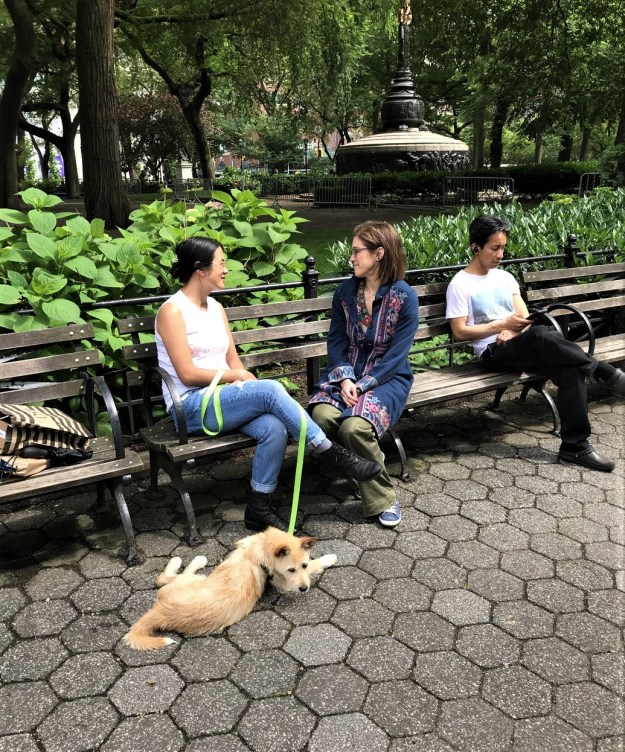
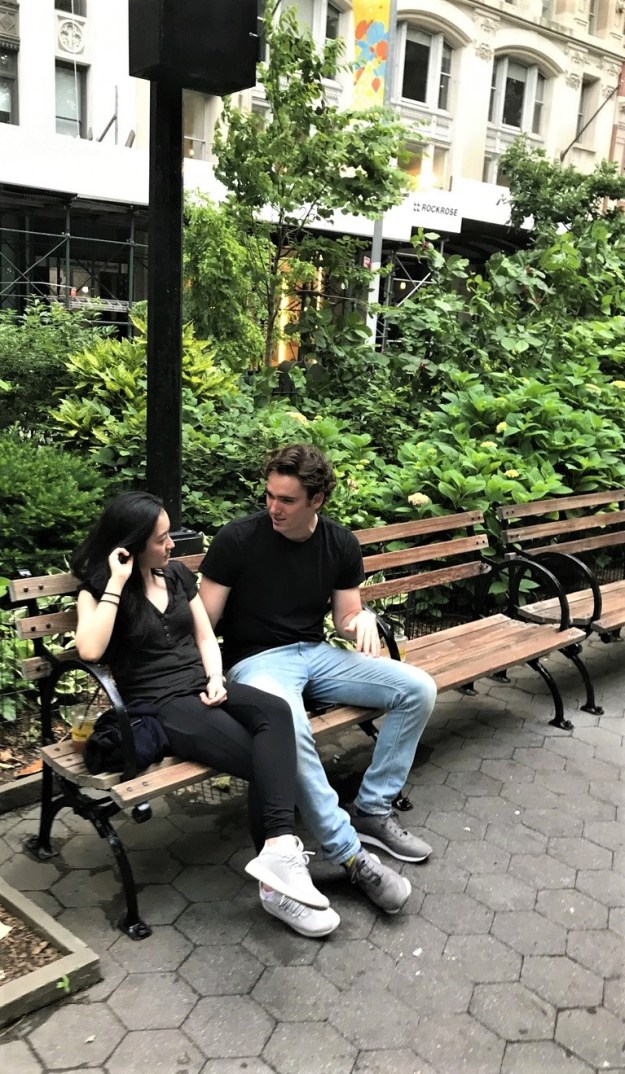
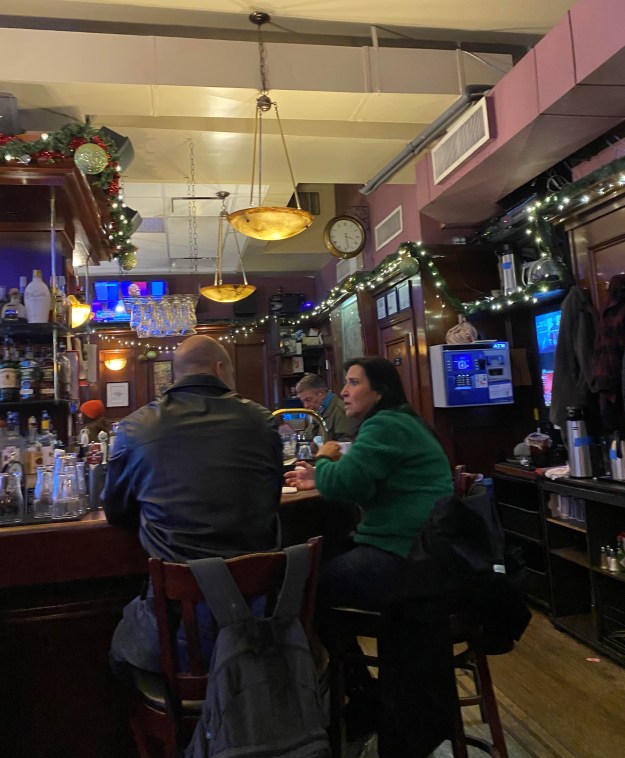
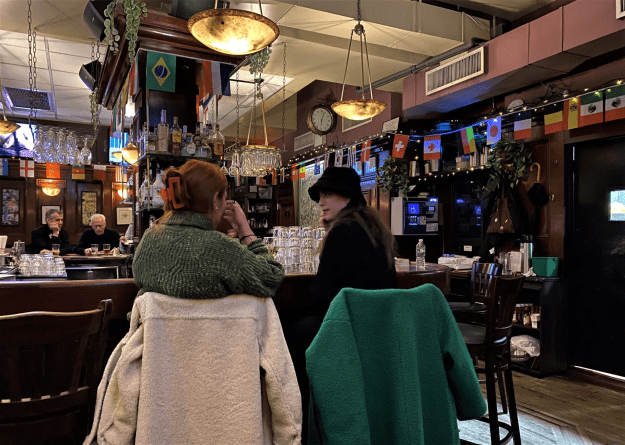
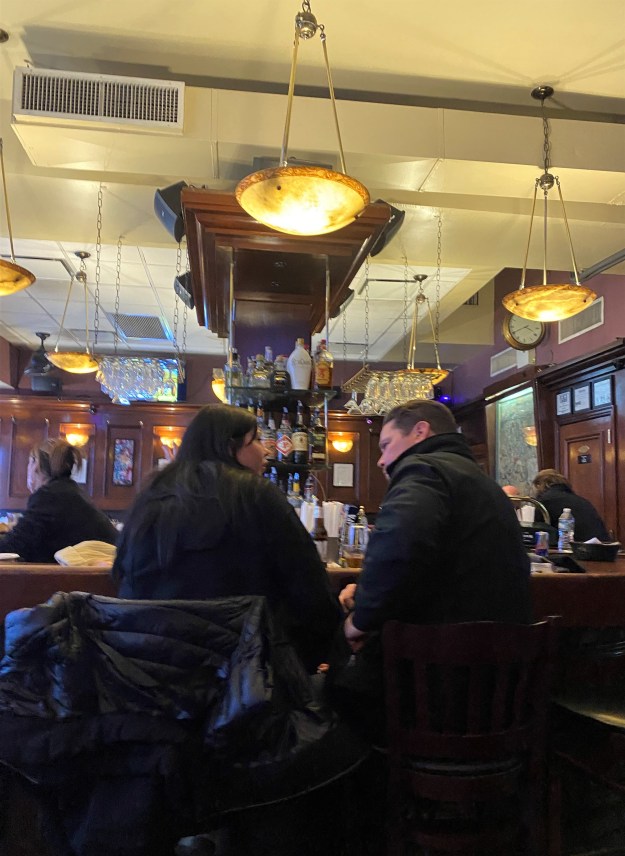
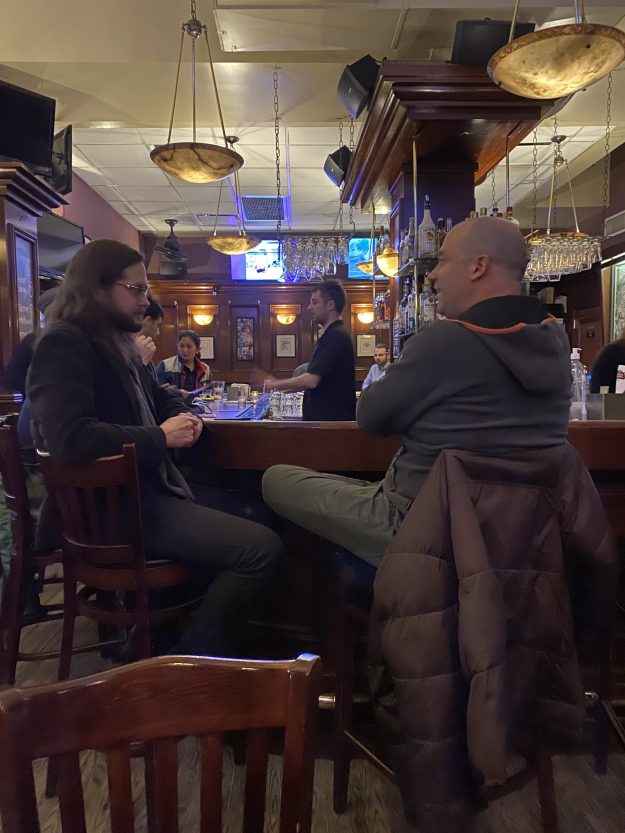
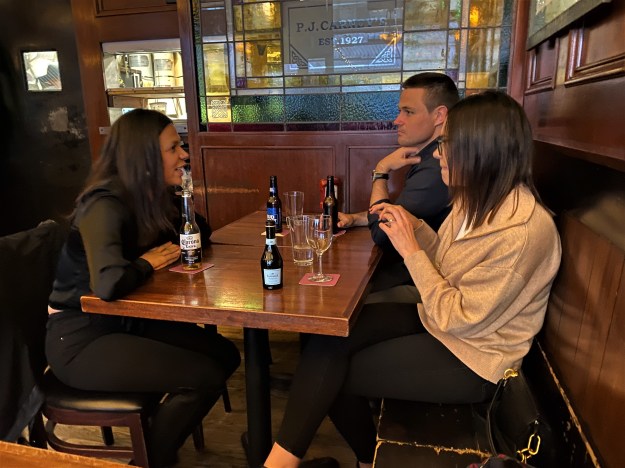
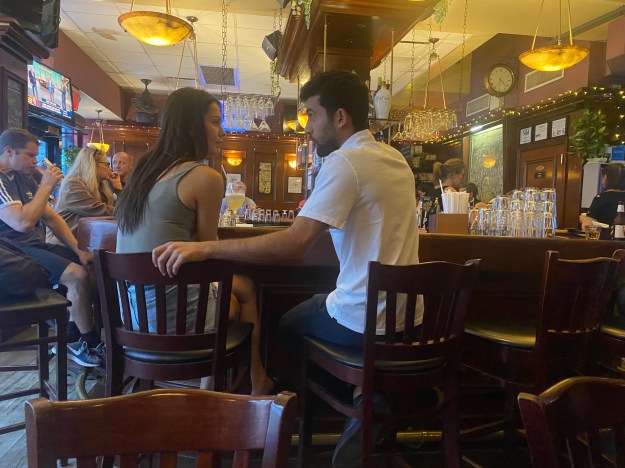
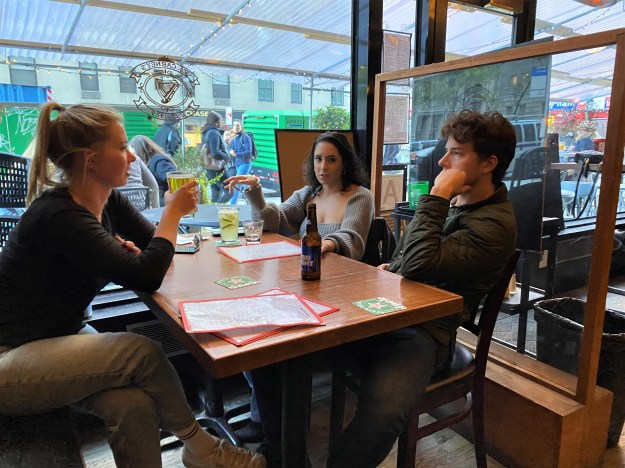
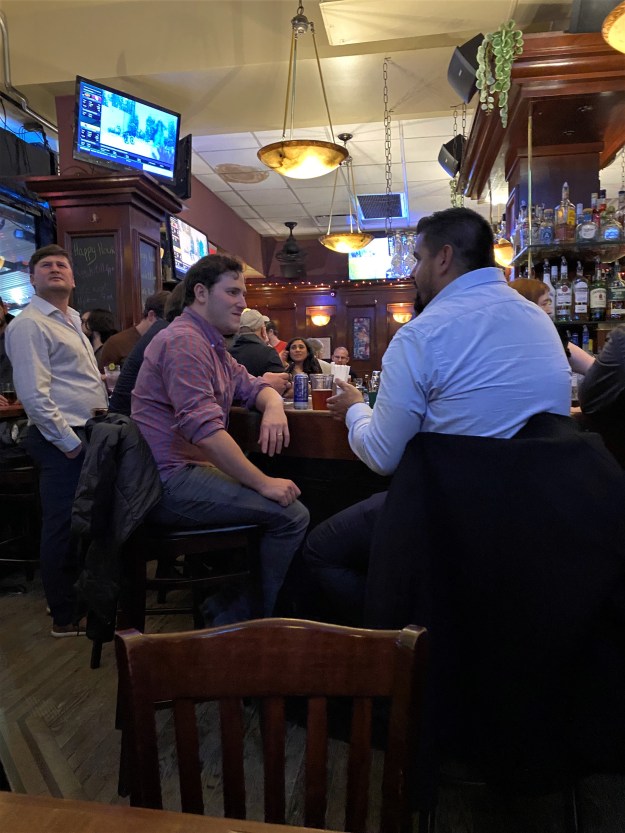
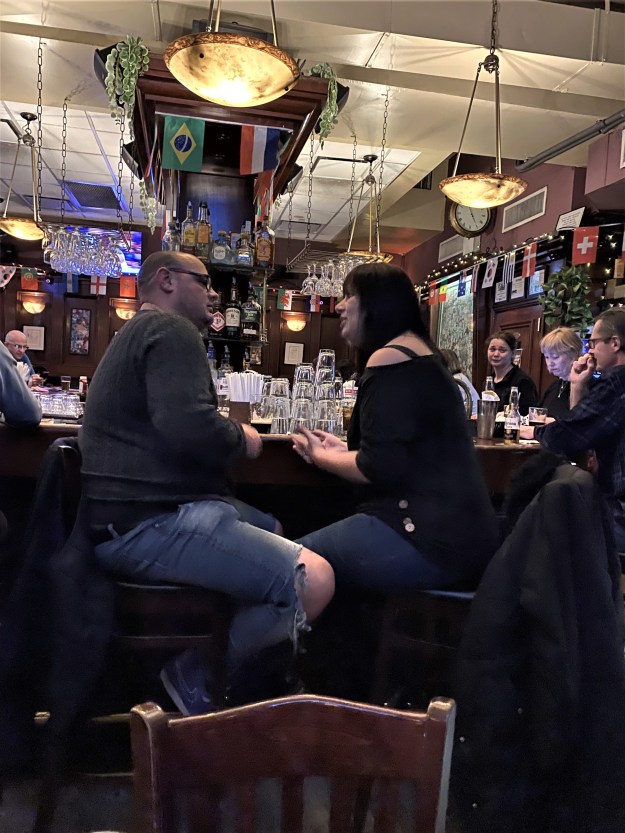
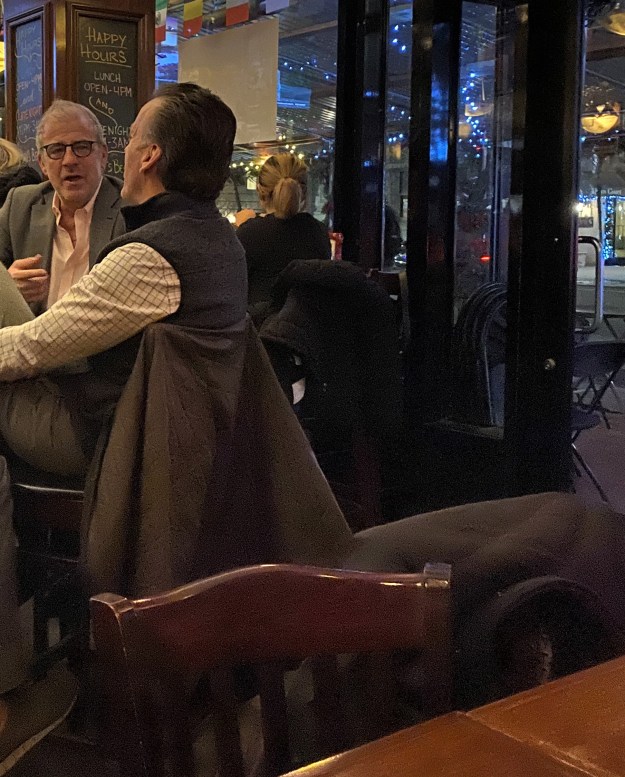
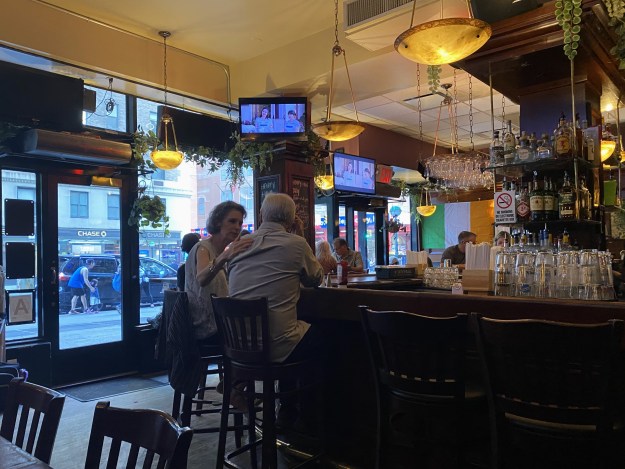
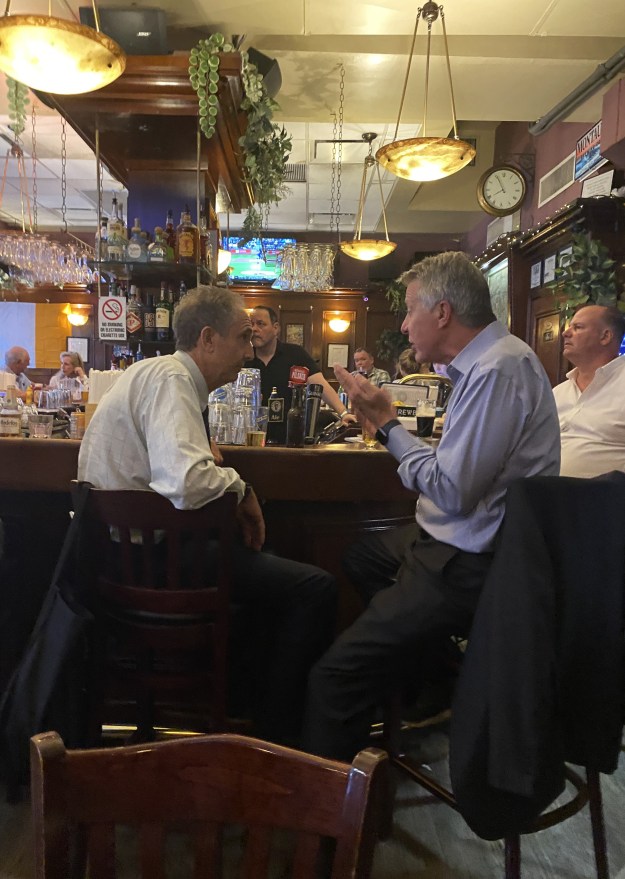
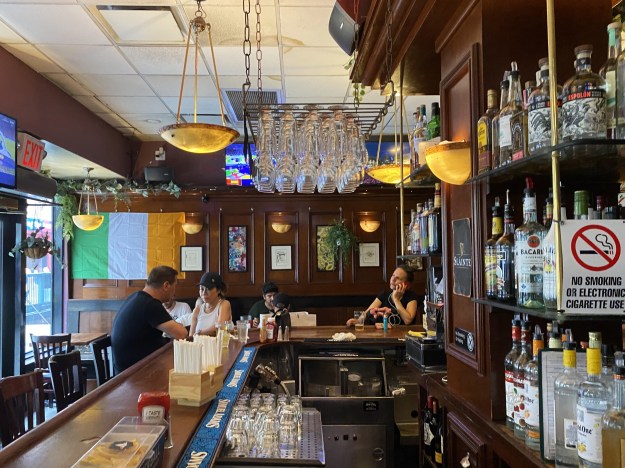
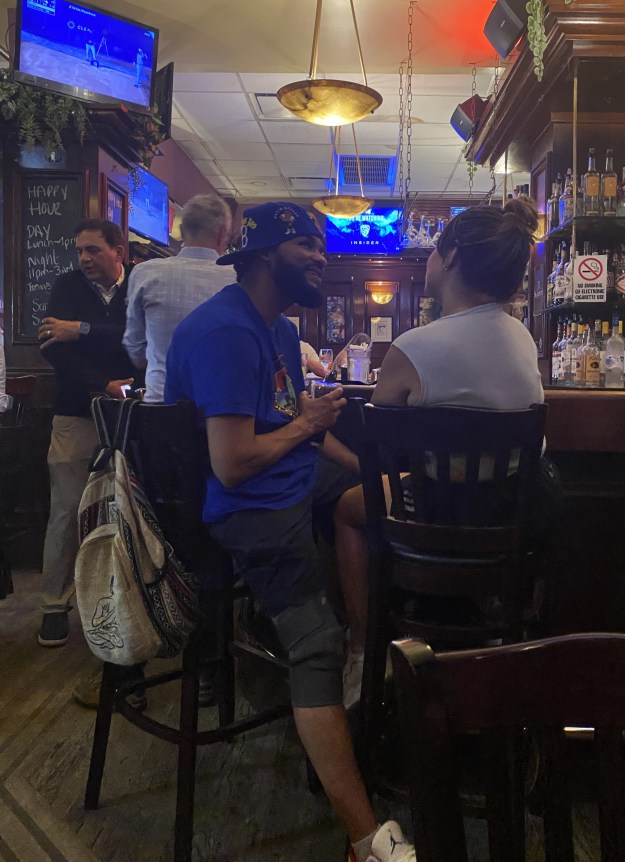
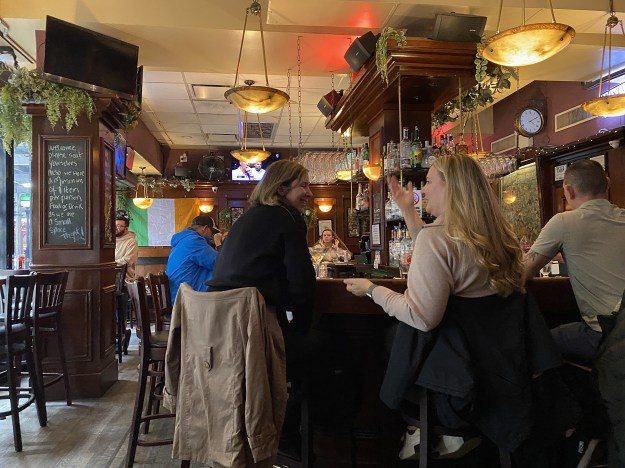
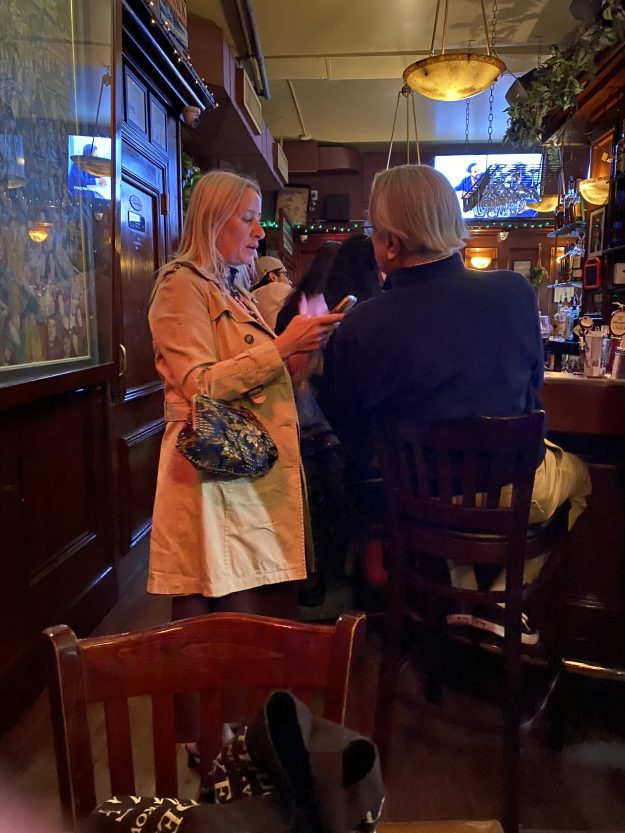
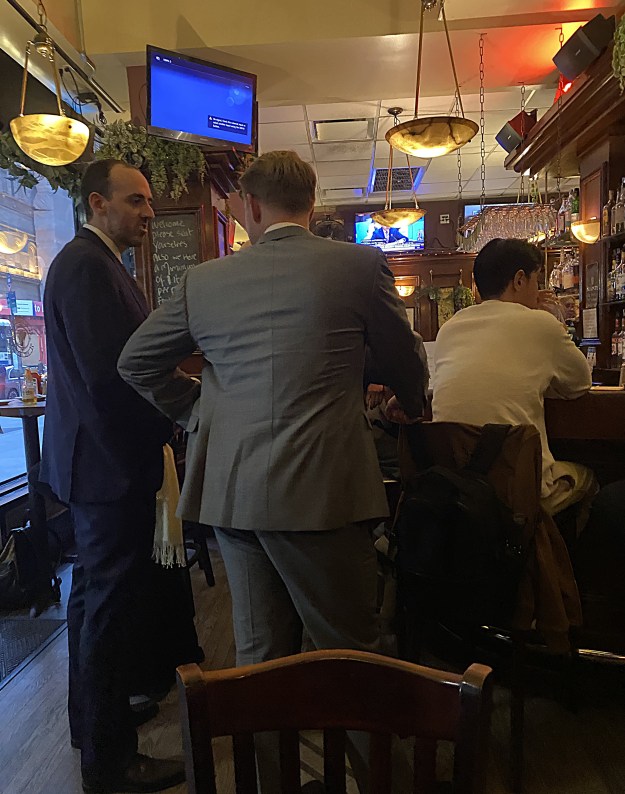
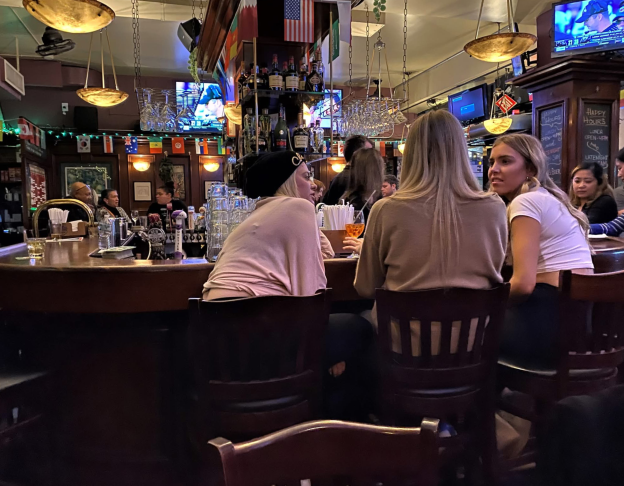
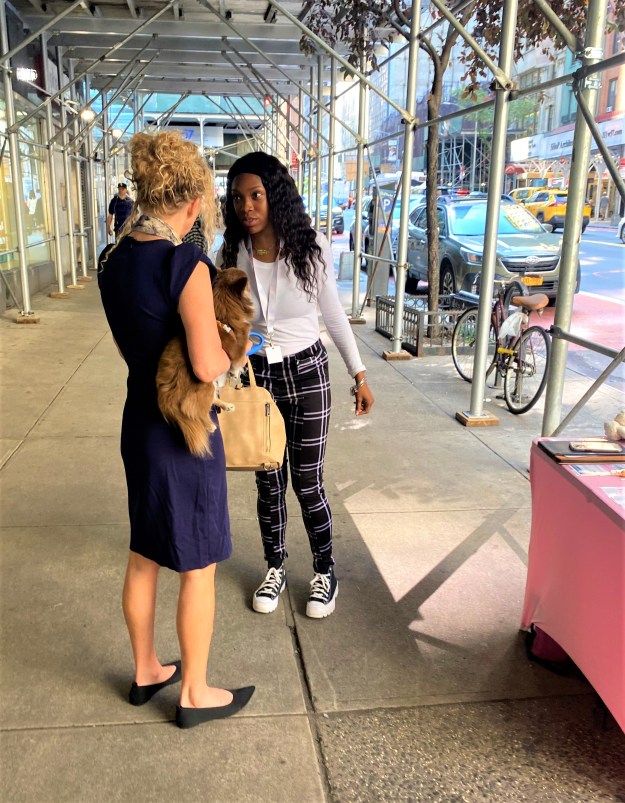
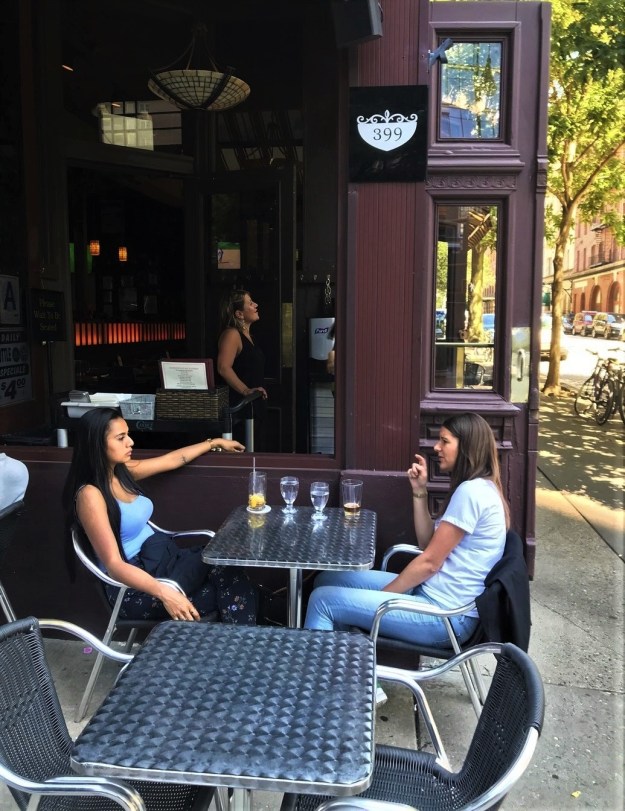
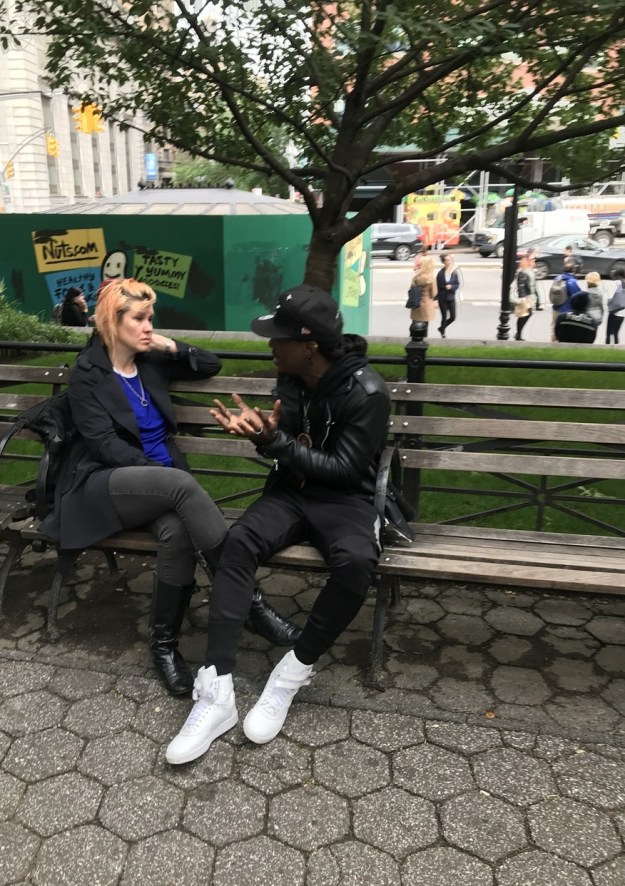
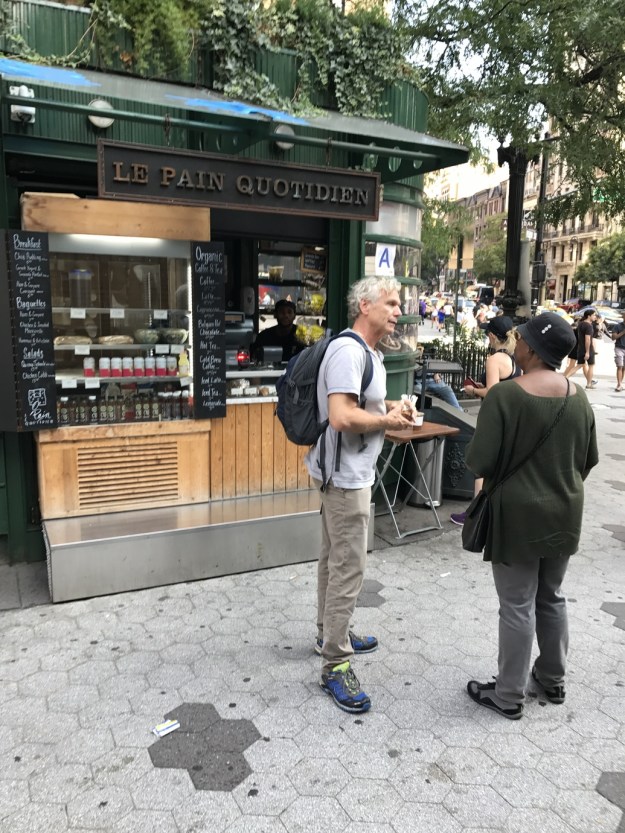
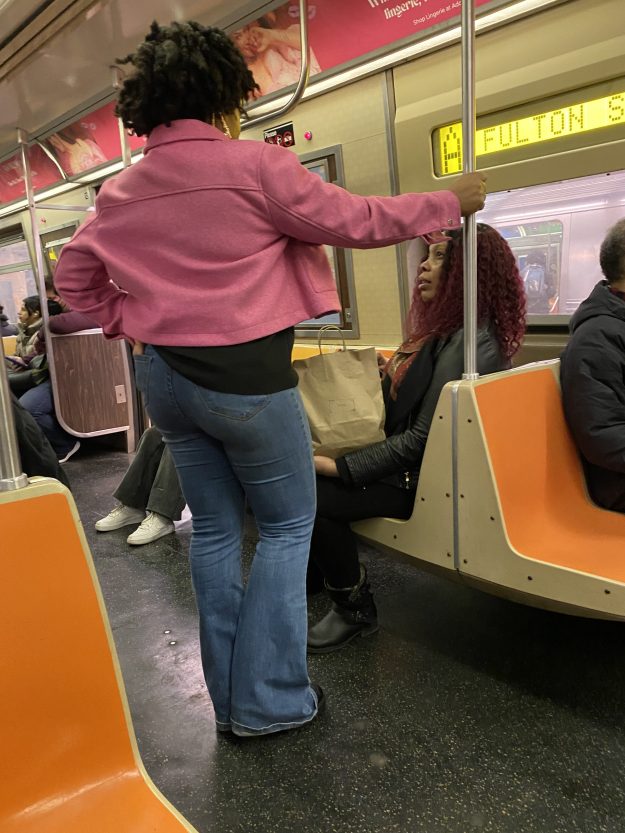
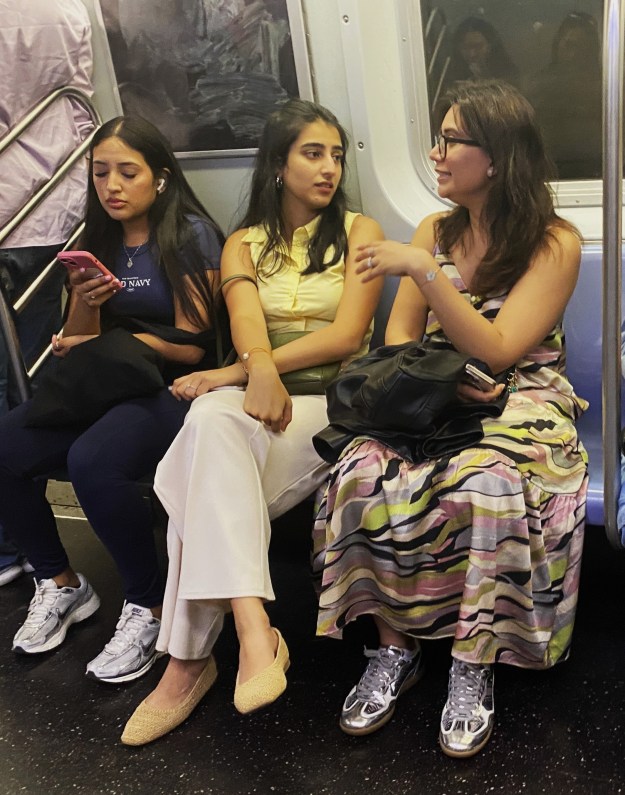
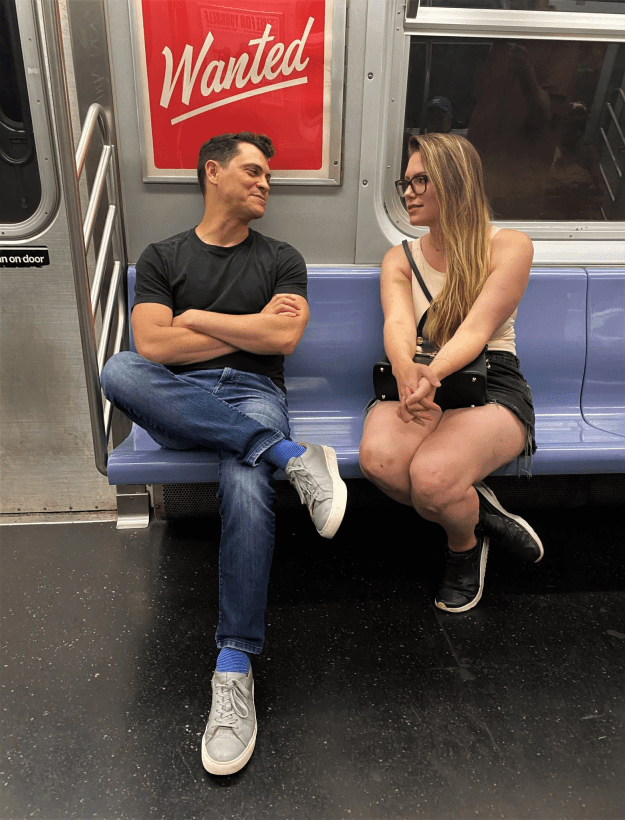
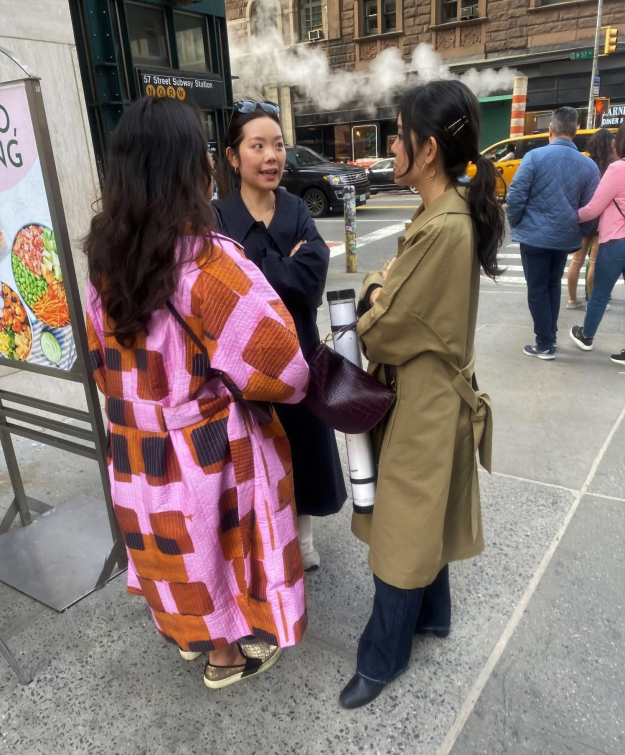
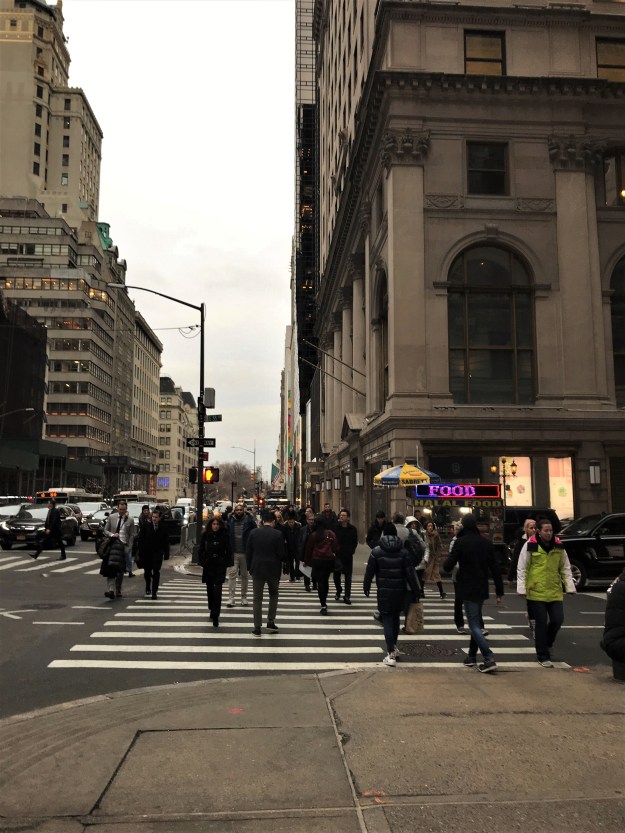
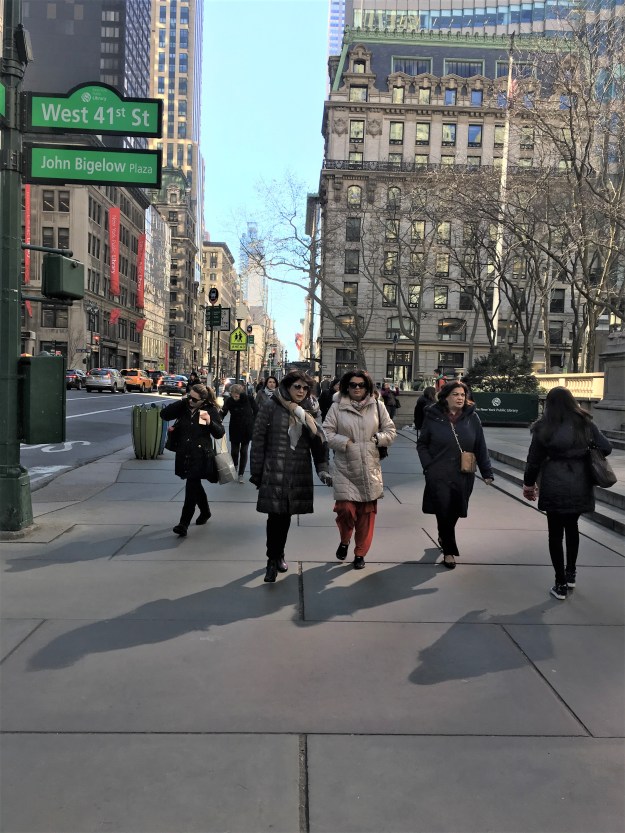
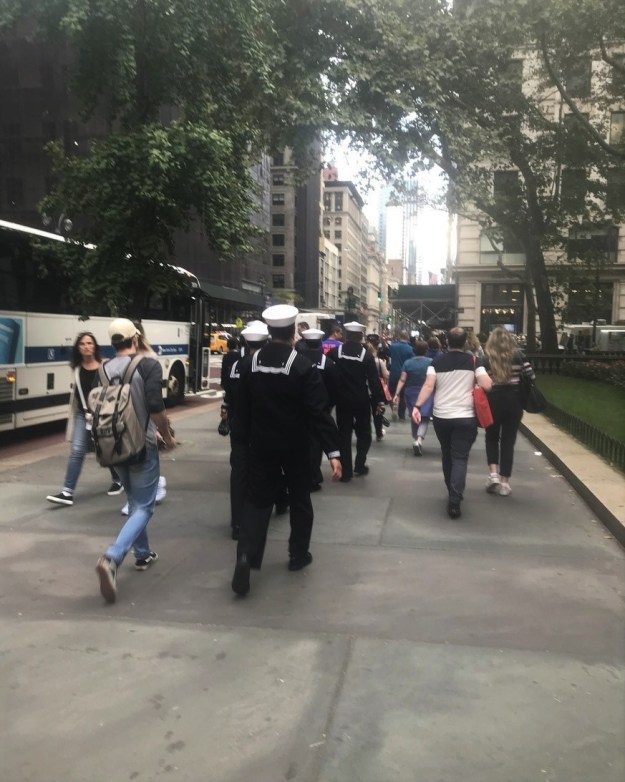
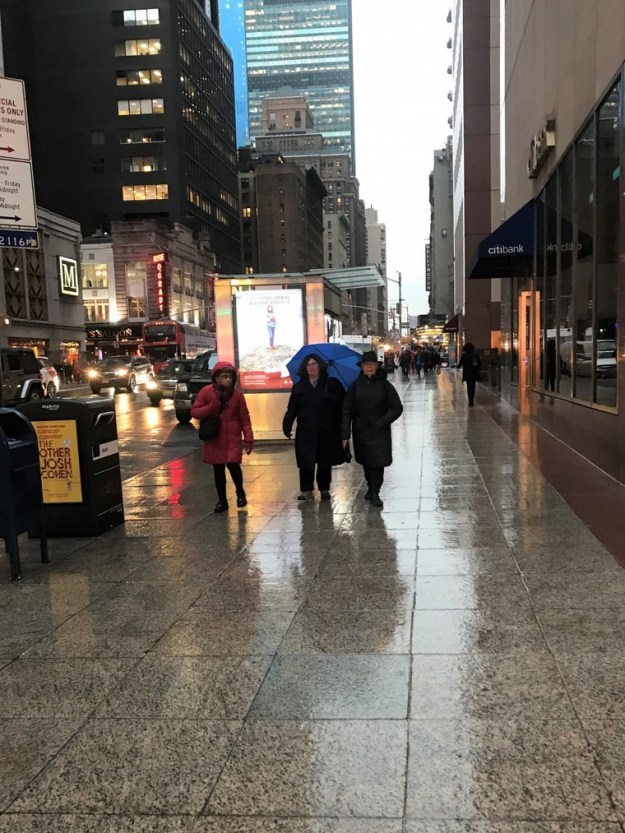
NYC encourages conversation (a photo-essay)


“The blab of the pave … the … talk of the promenaders”

— Walt Whitman, “Song of Myself” (cataloguing the delights of the City)


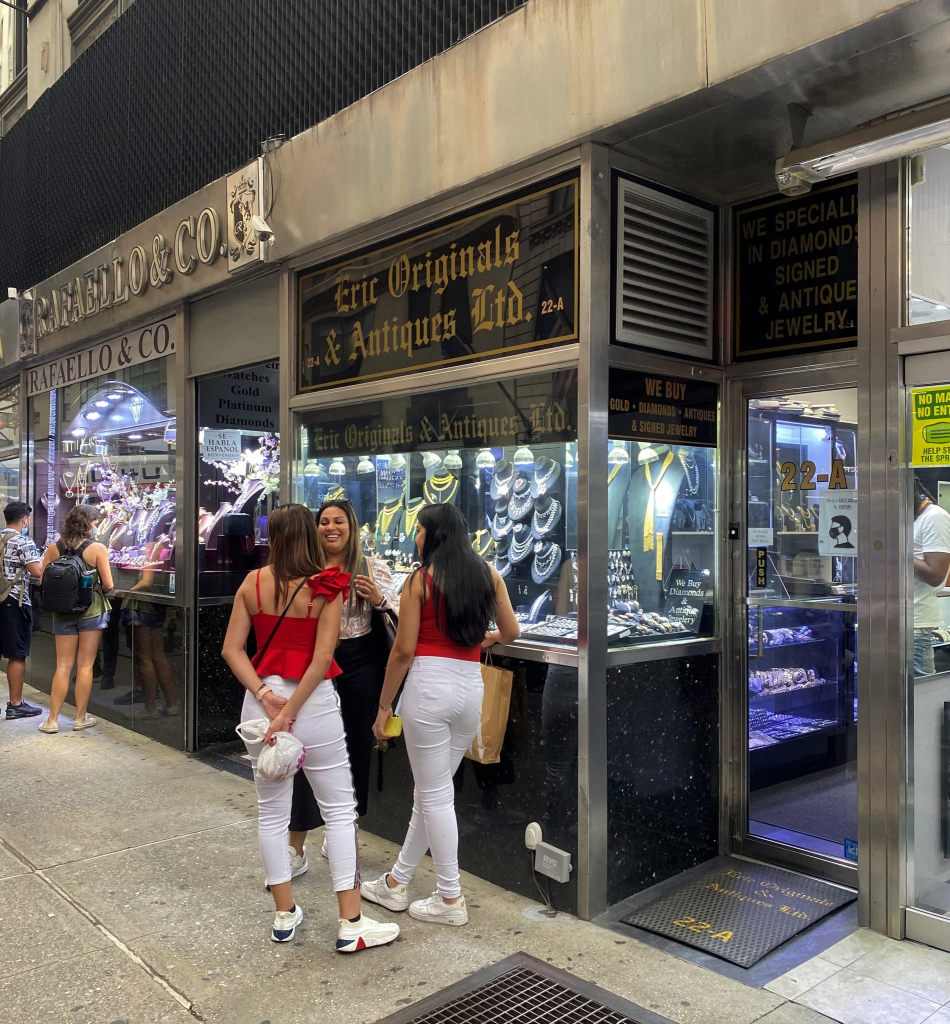
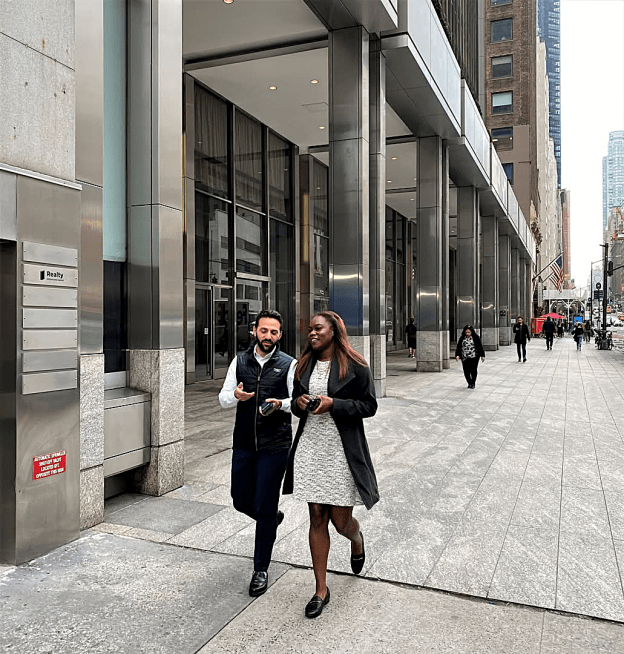
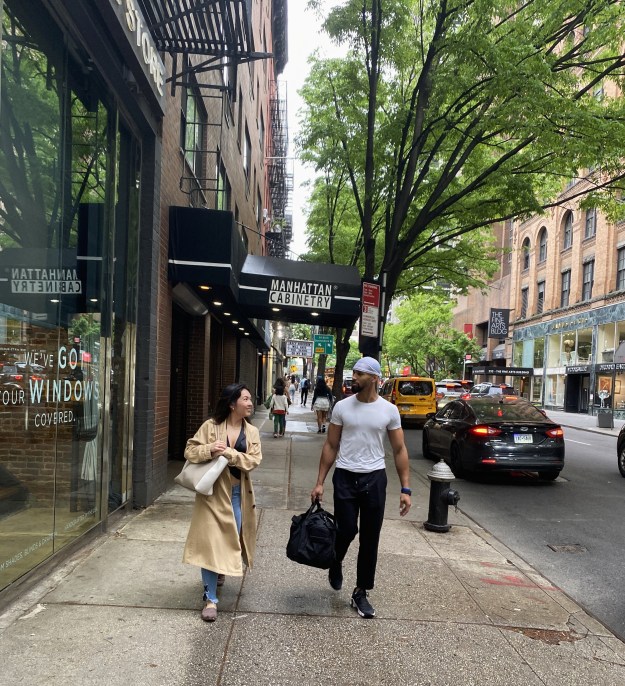
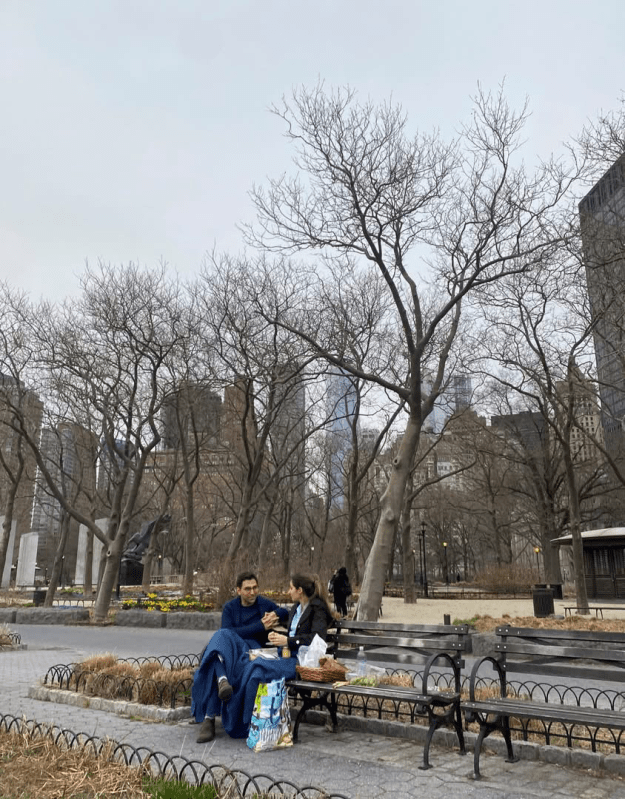
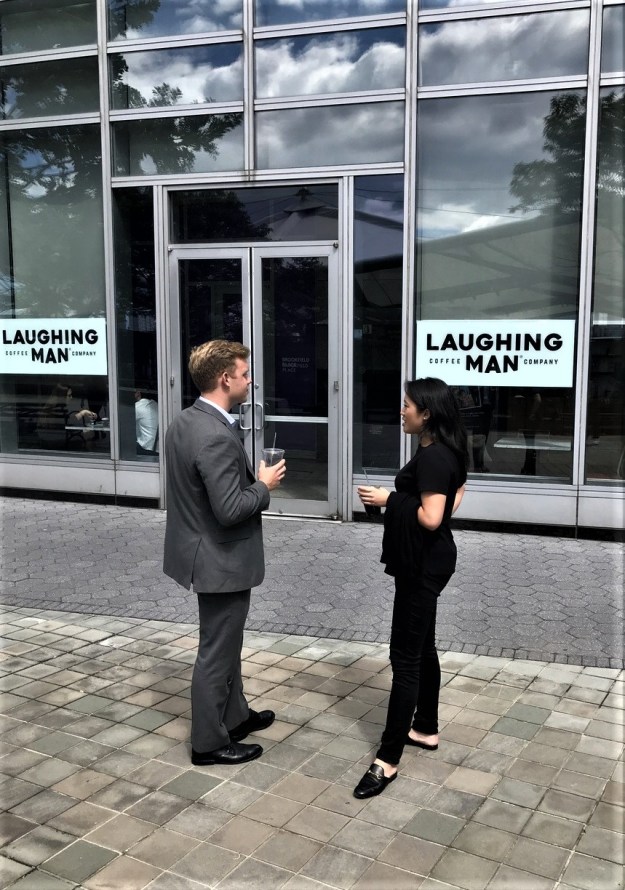
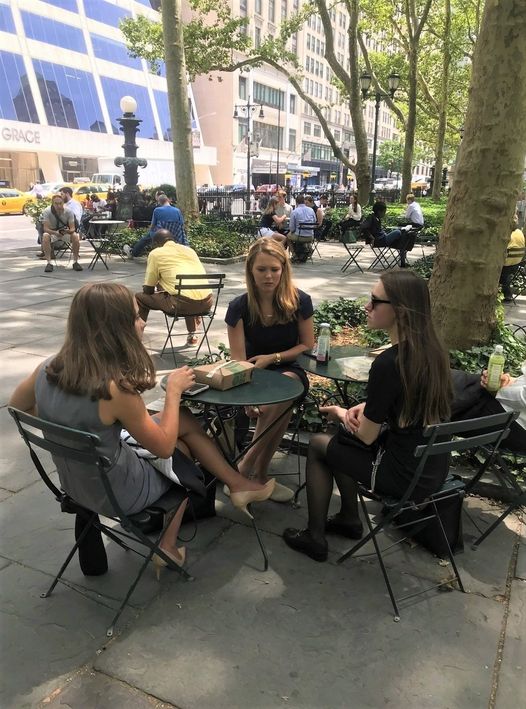
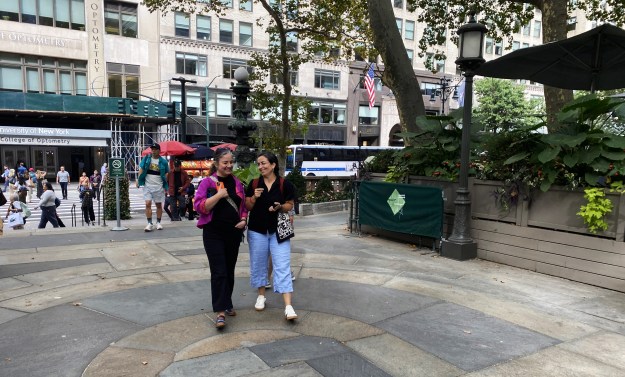
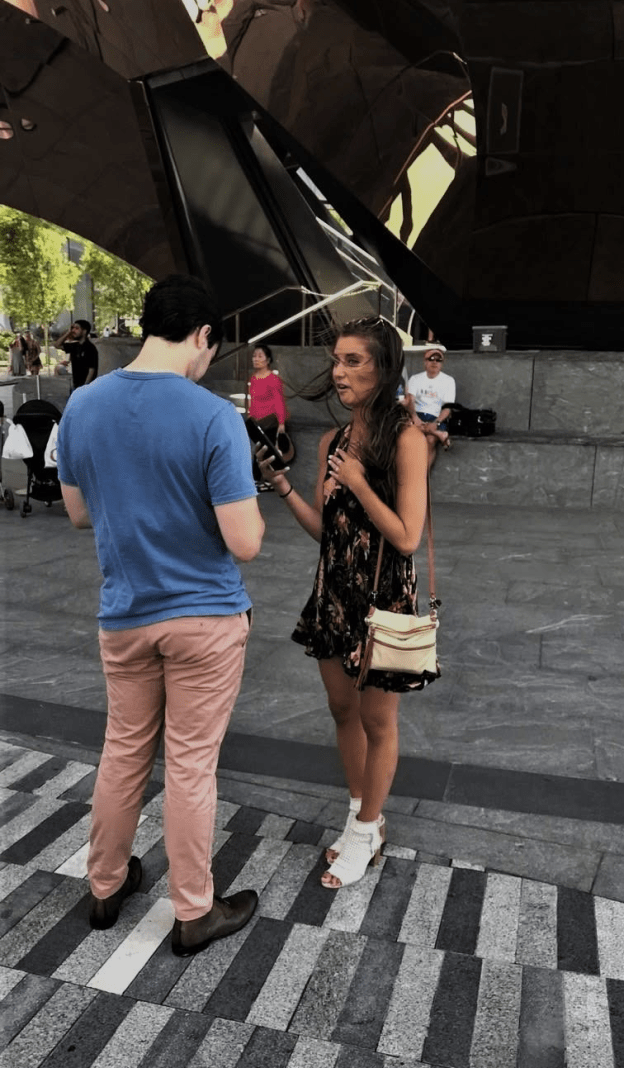
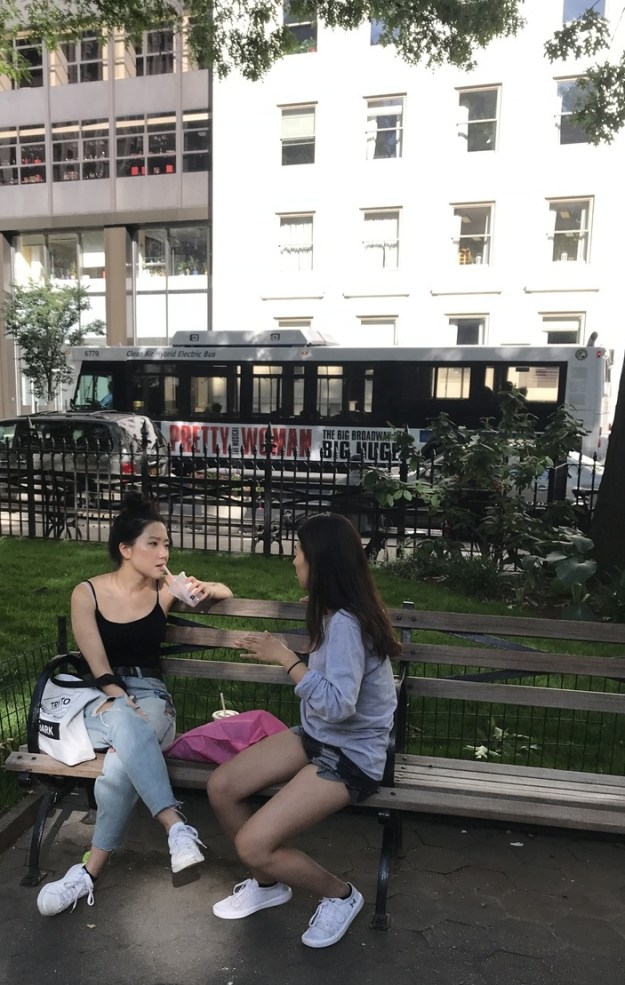
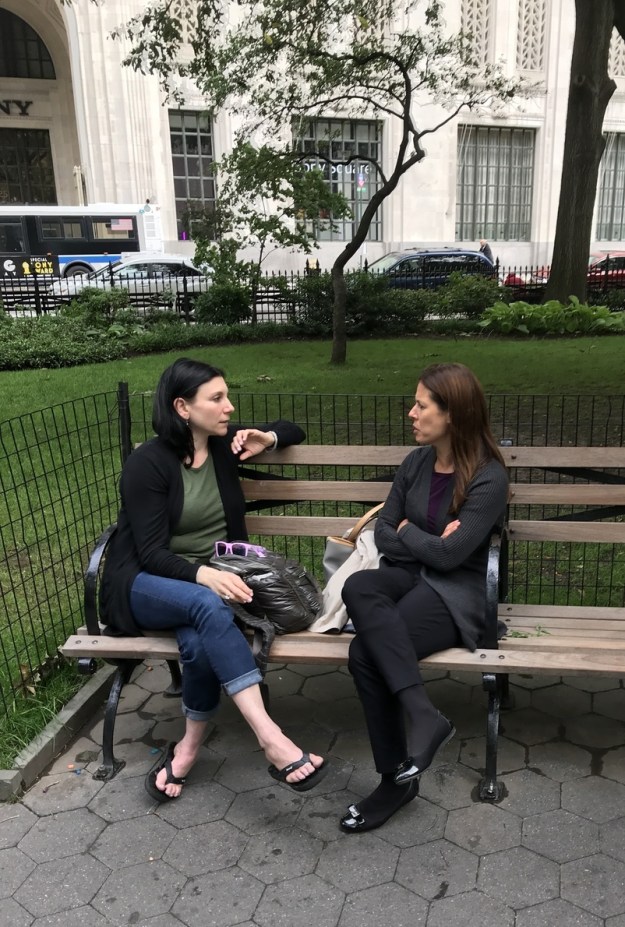
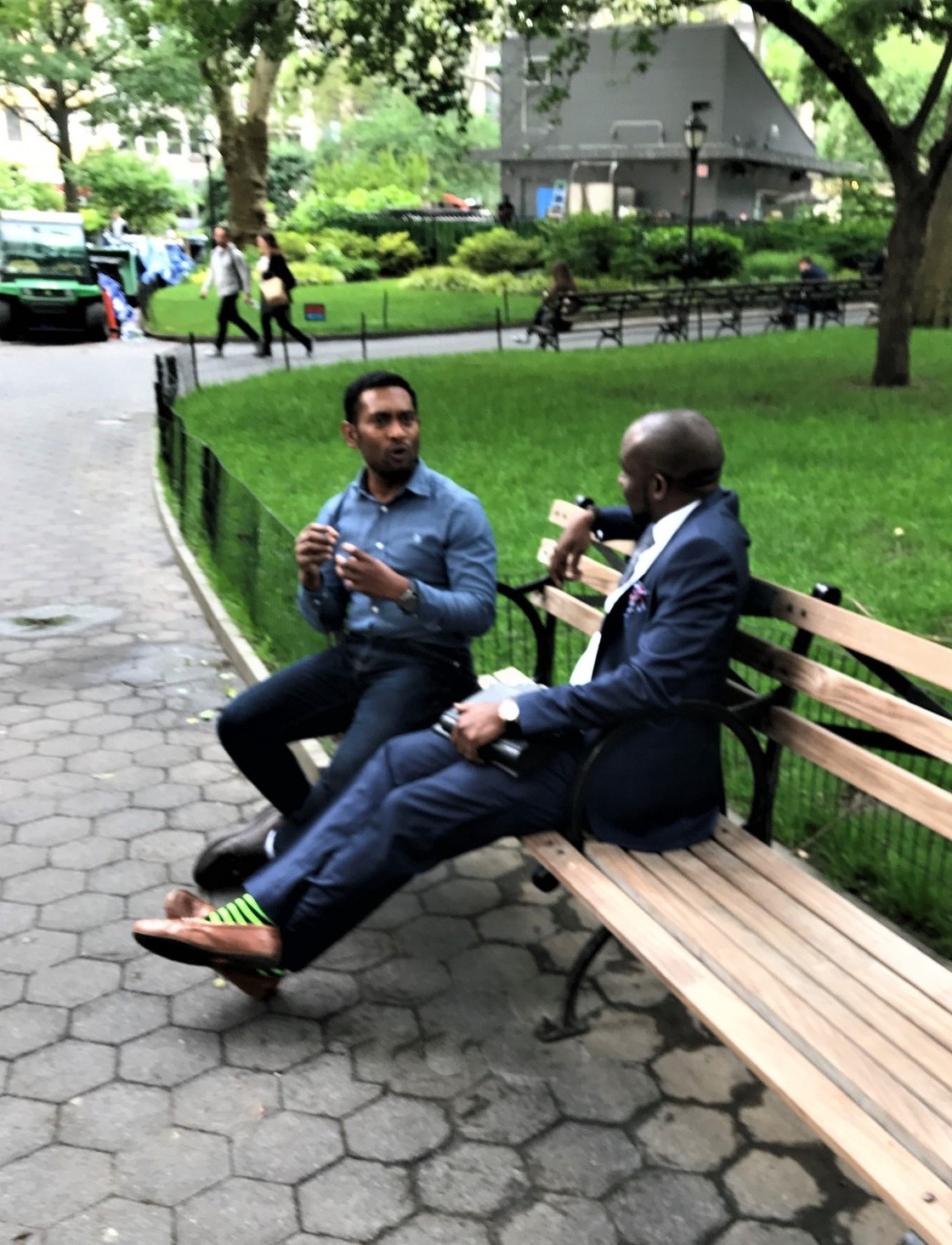
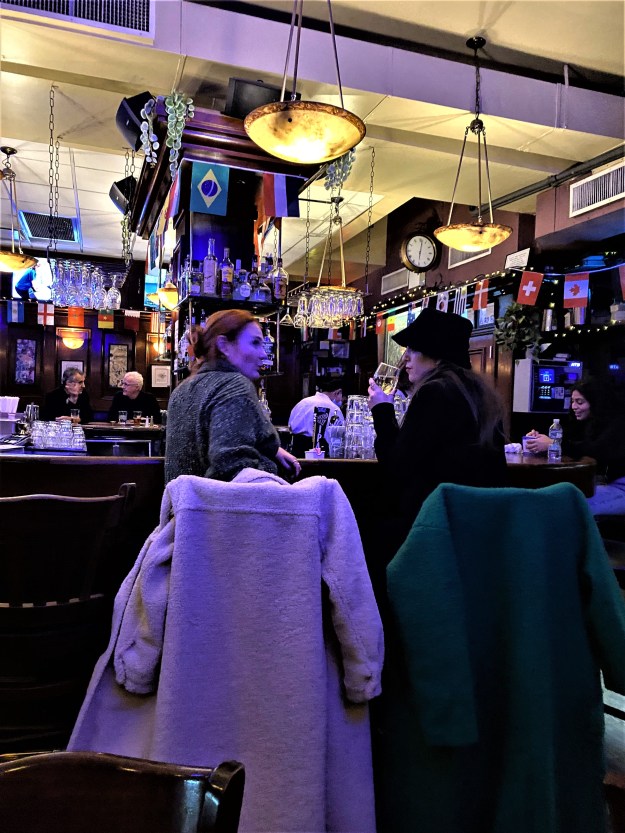
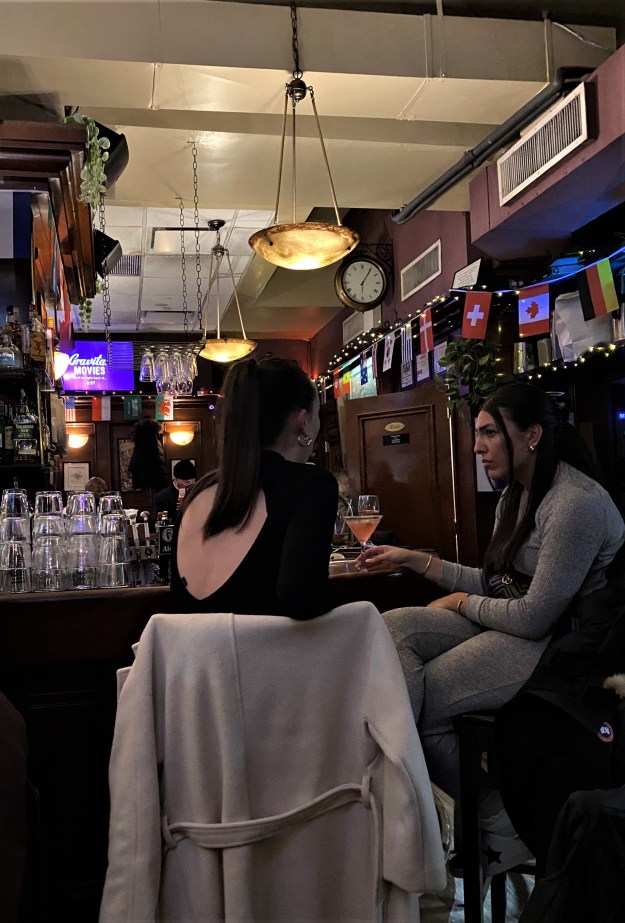
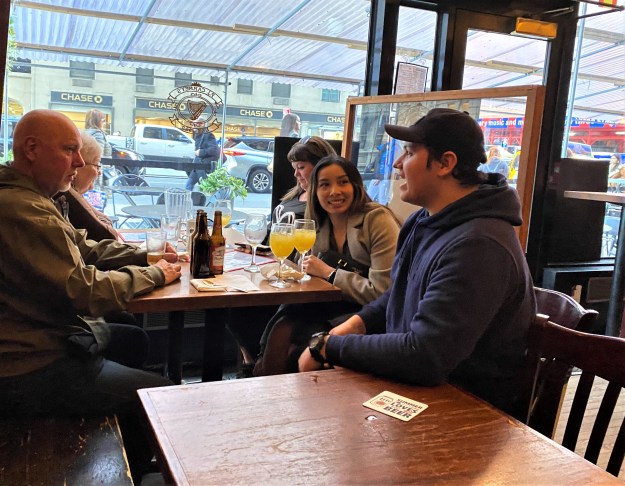
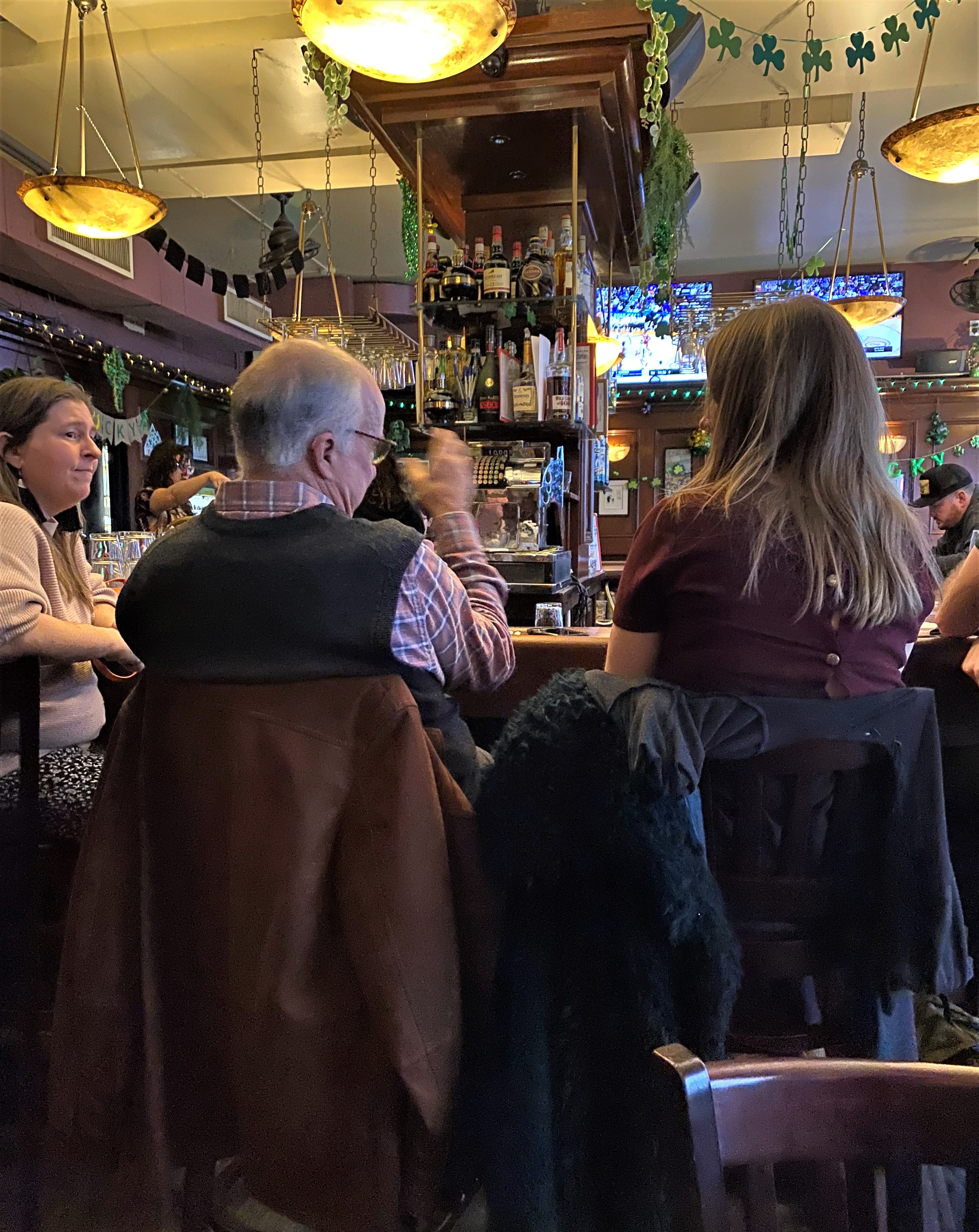
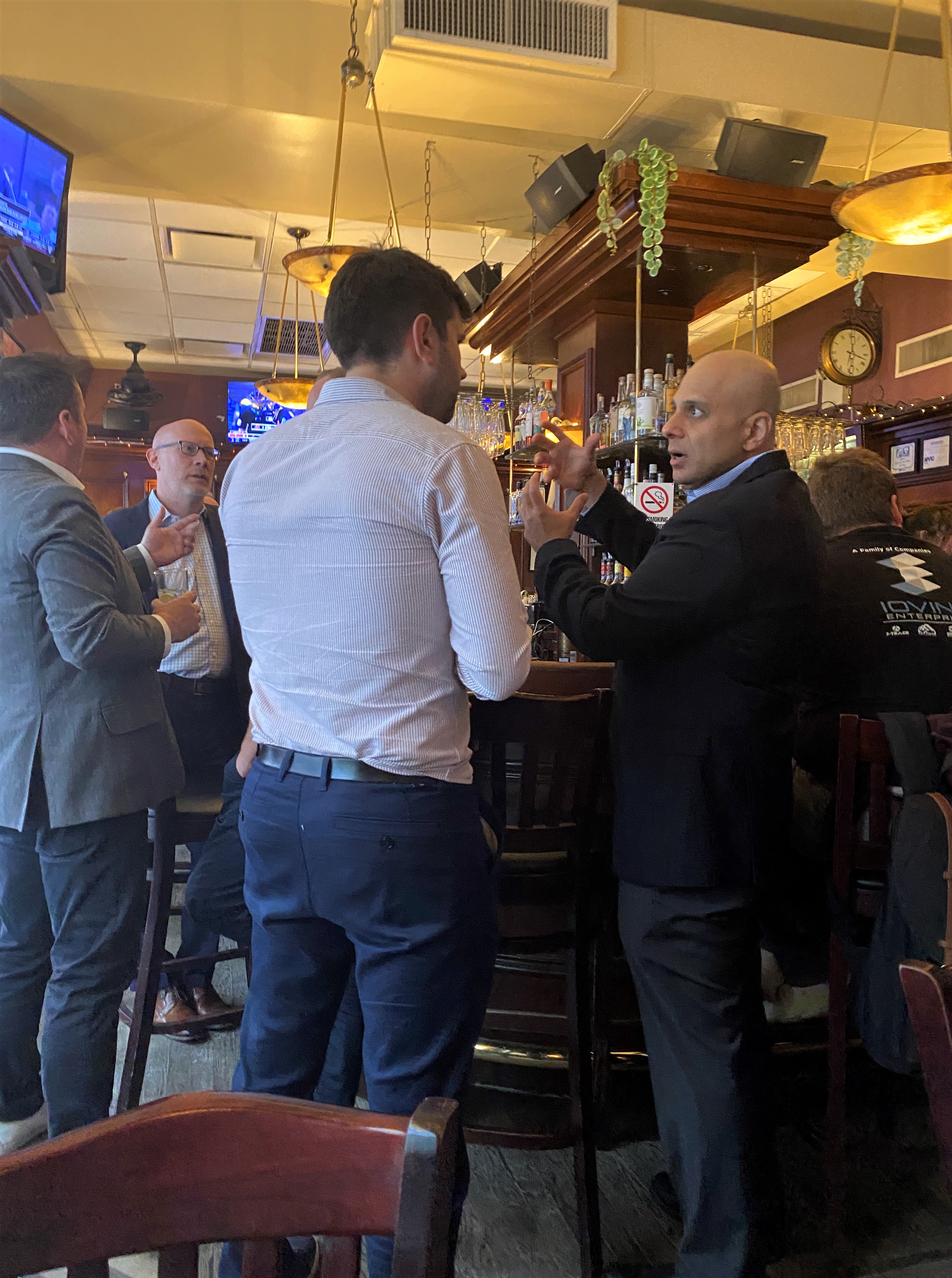
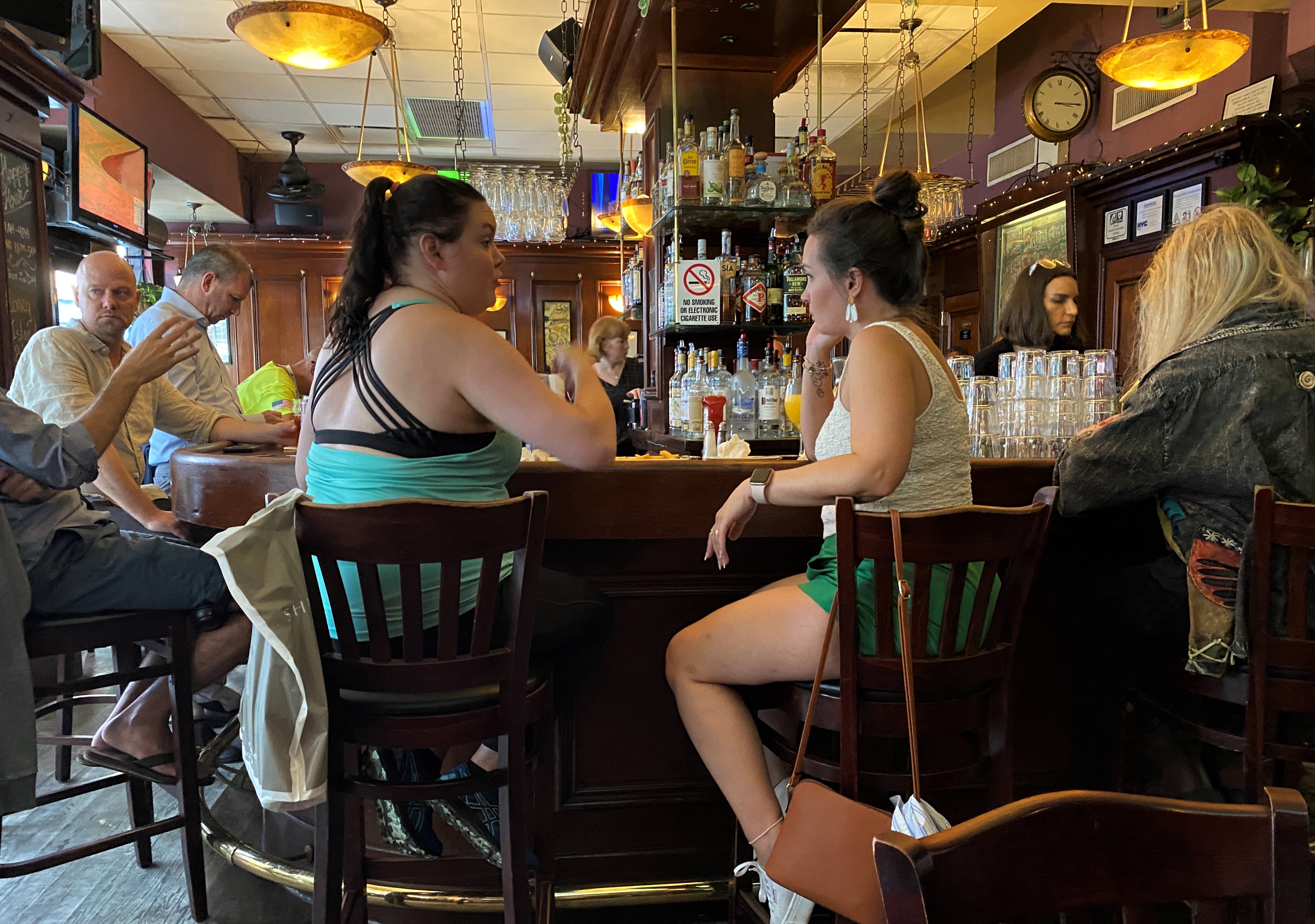
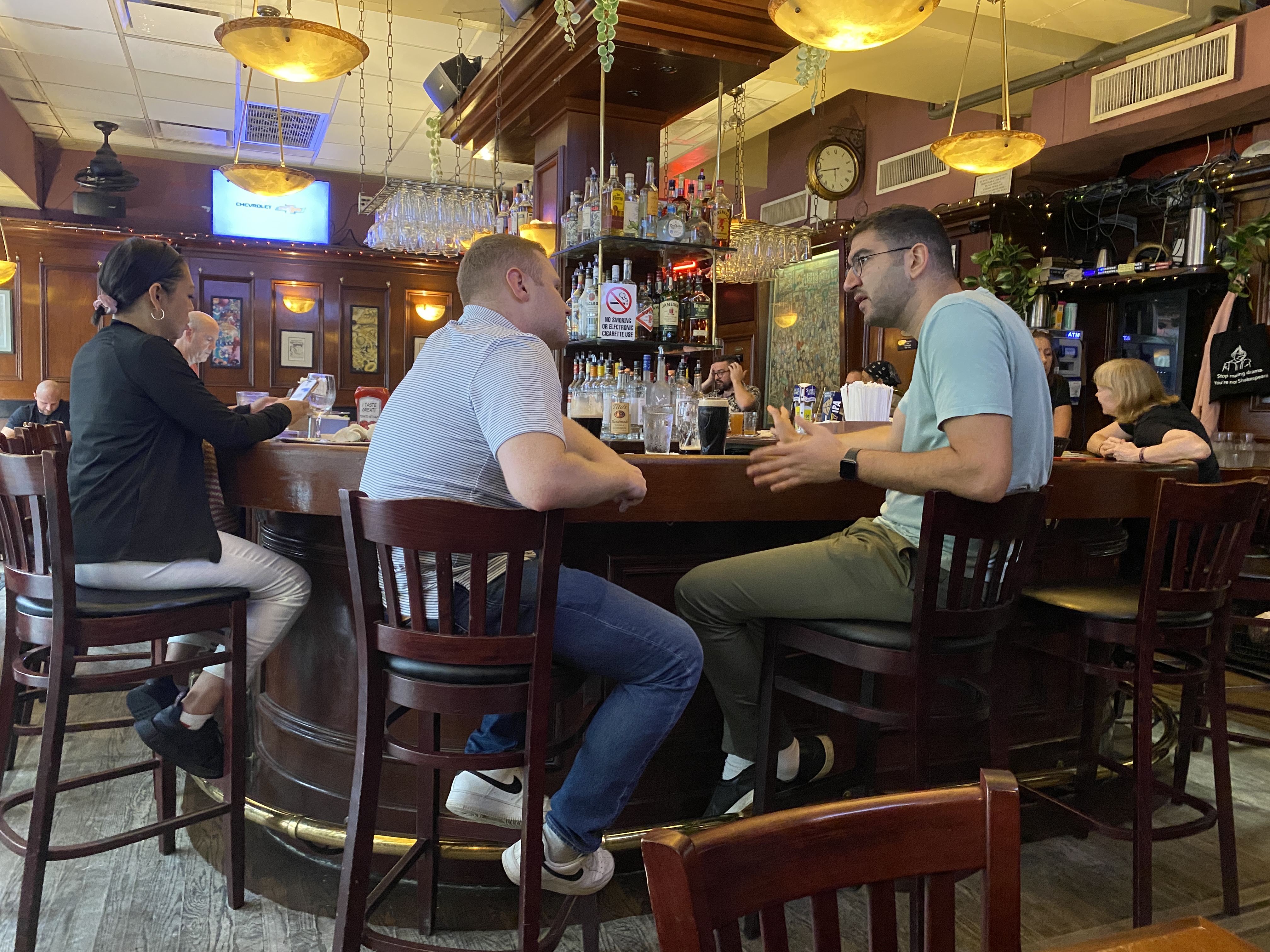
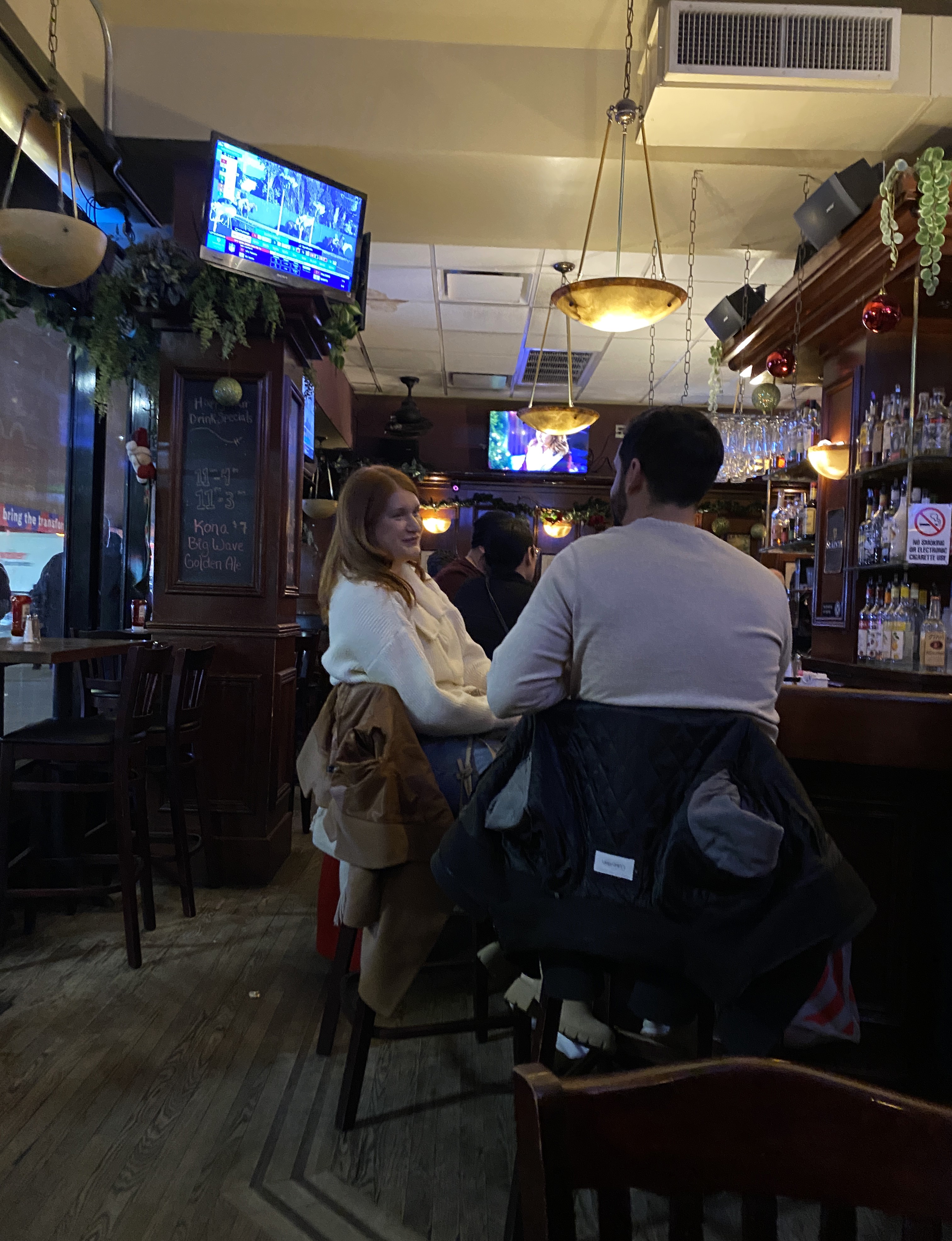
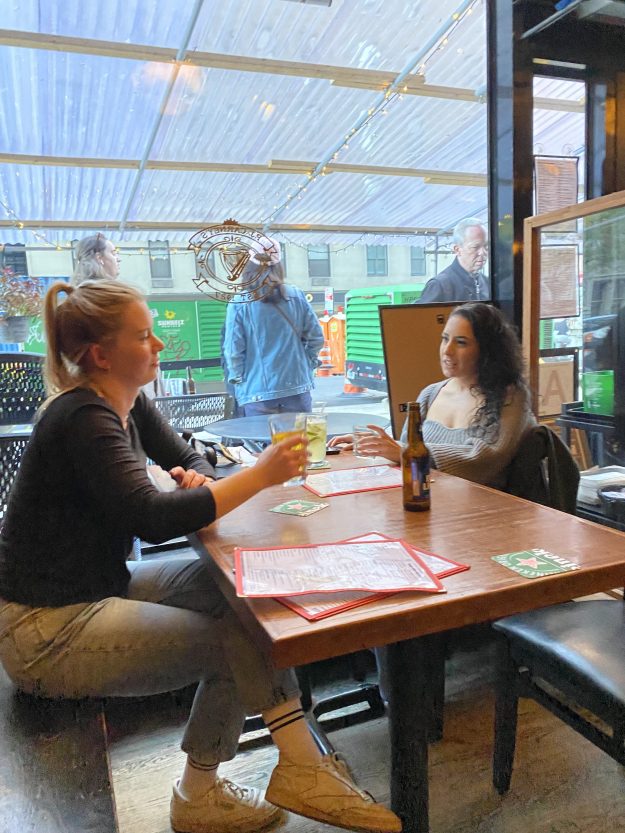
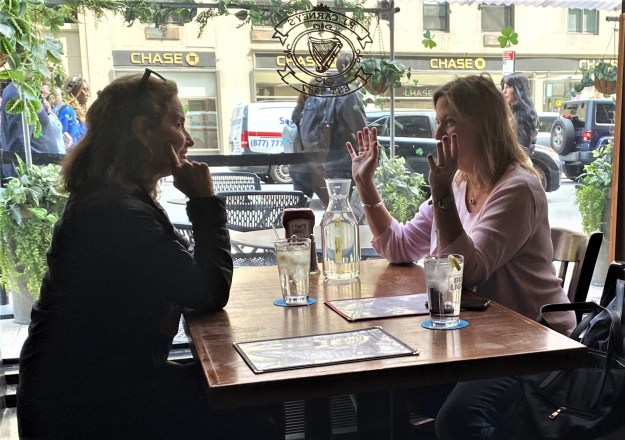
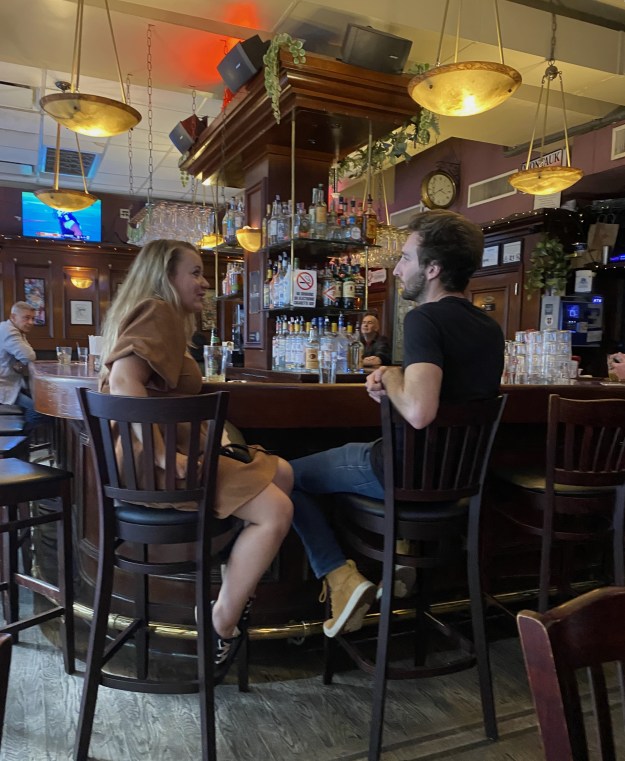
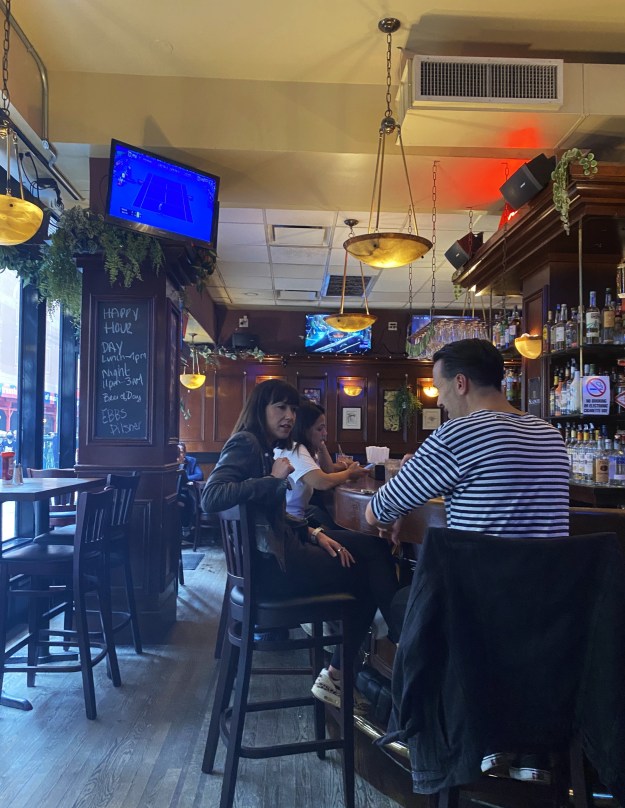
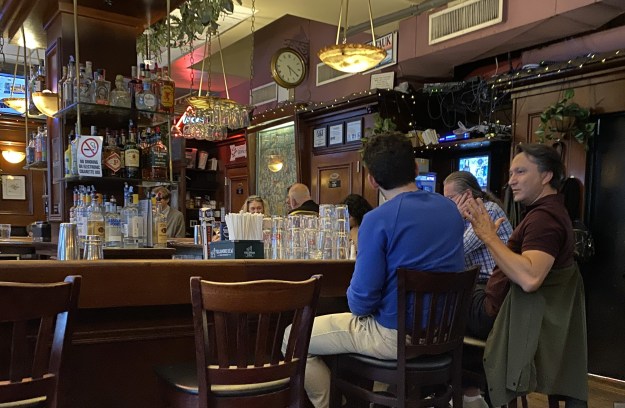
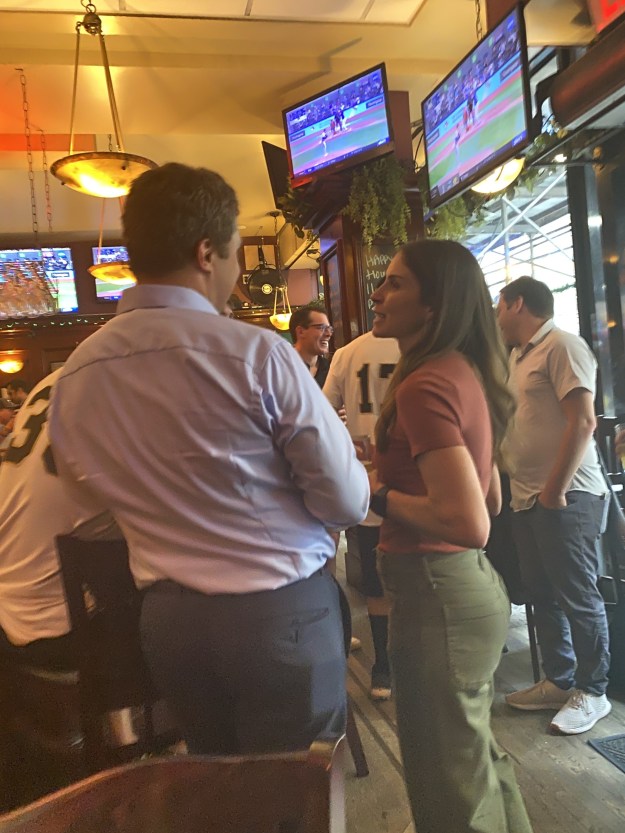
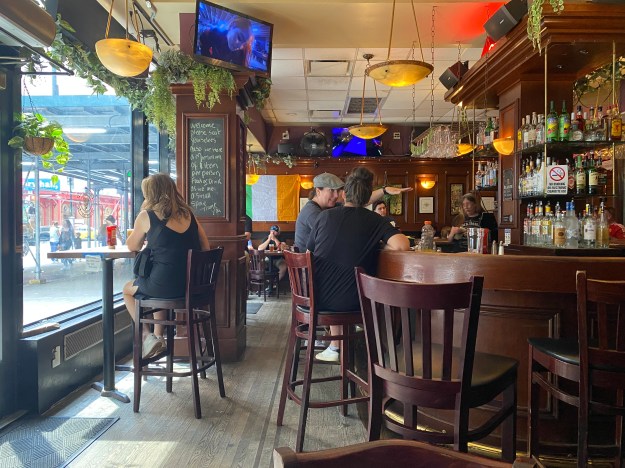
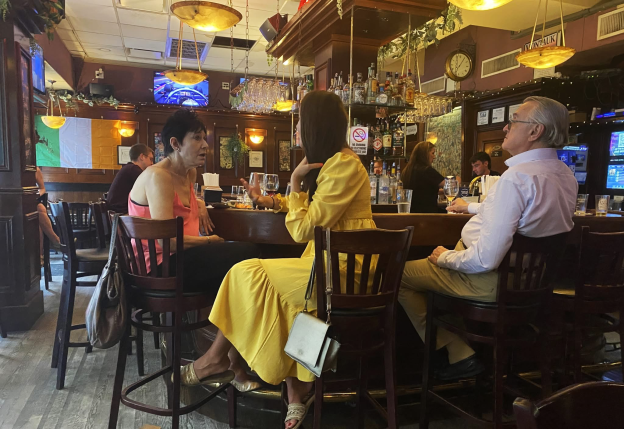
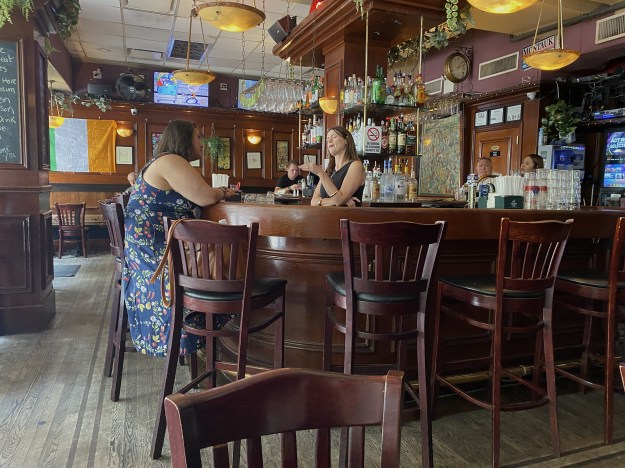
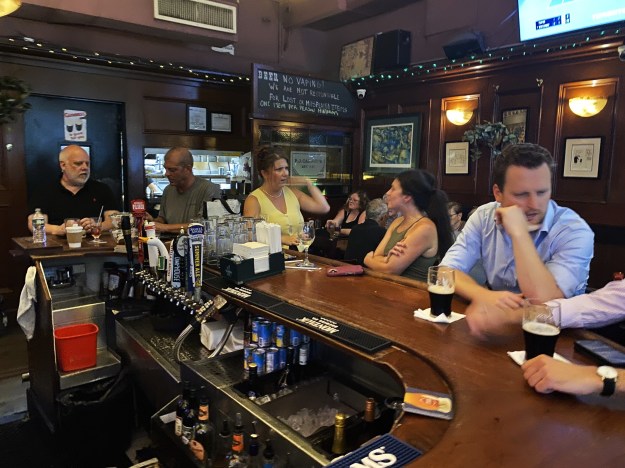
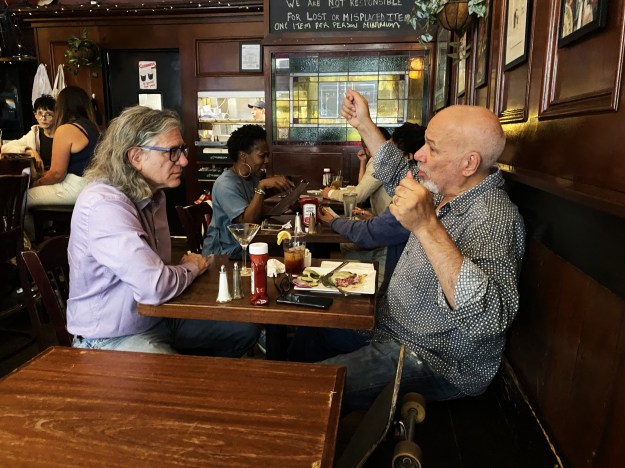
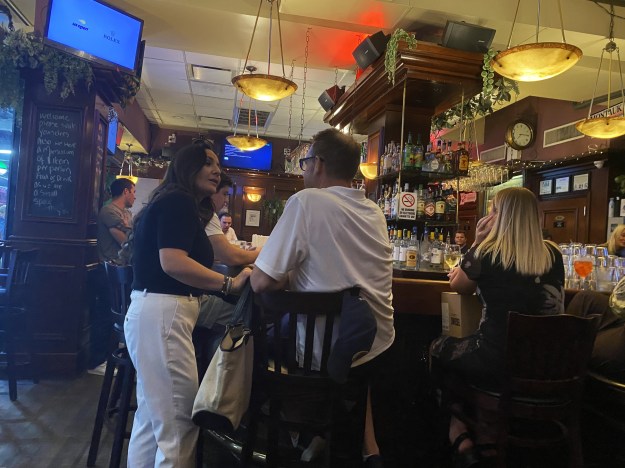
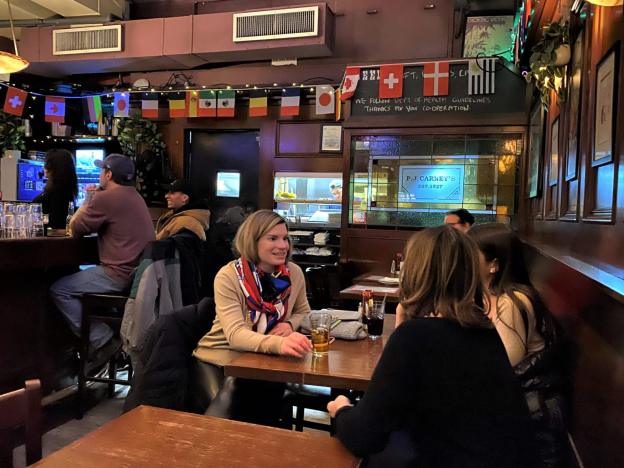
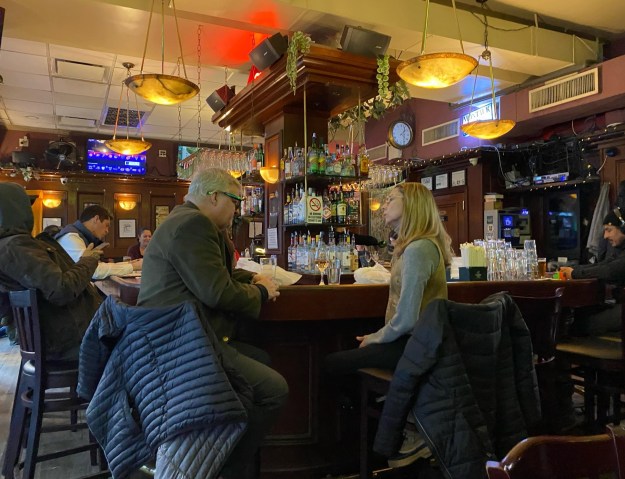
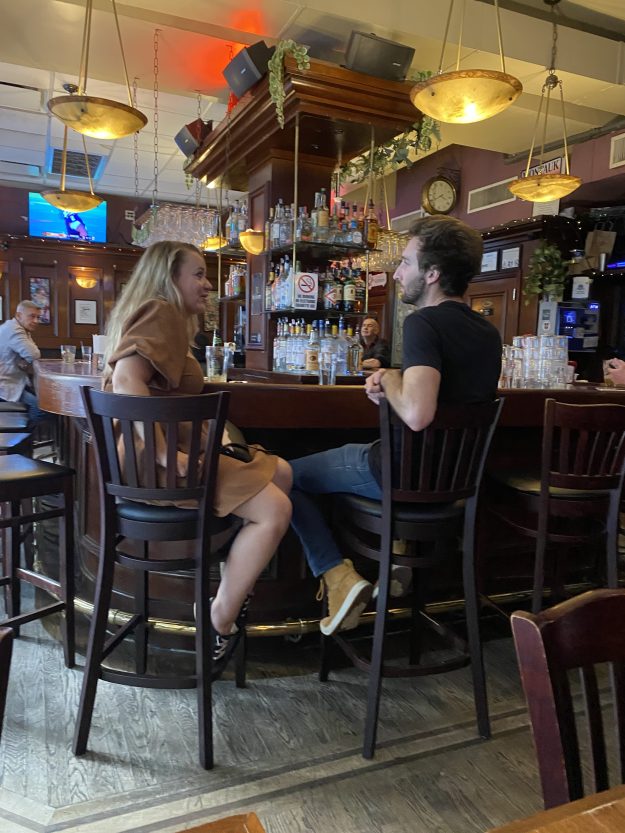
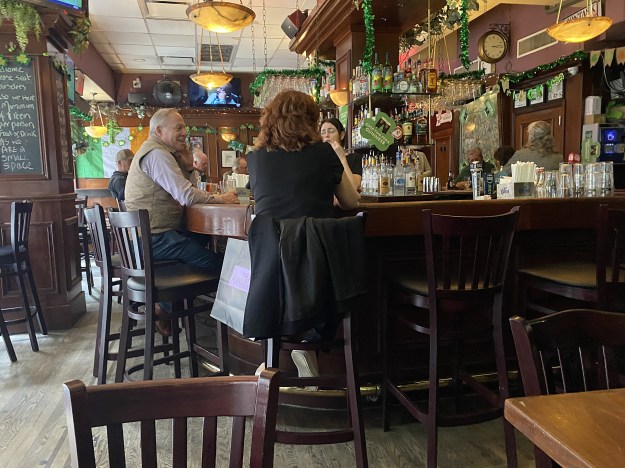
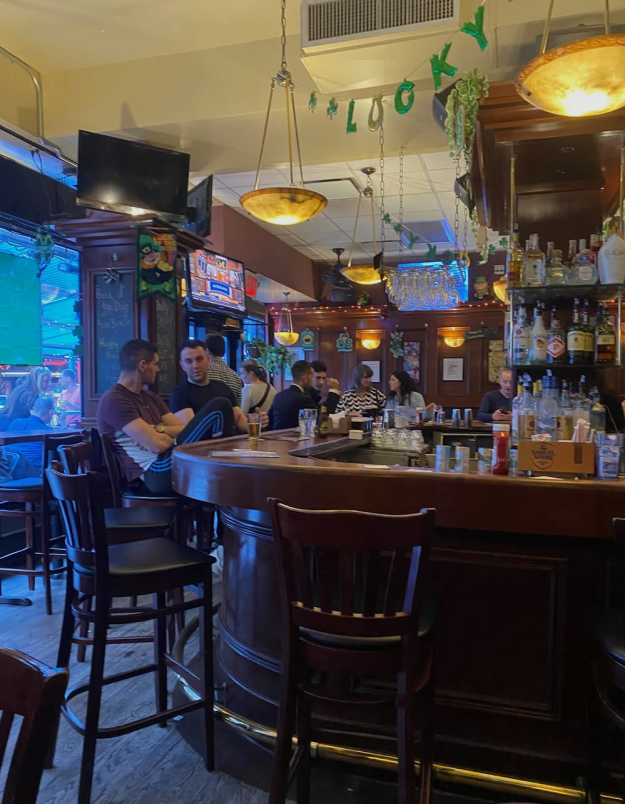
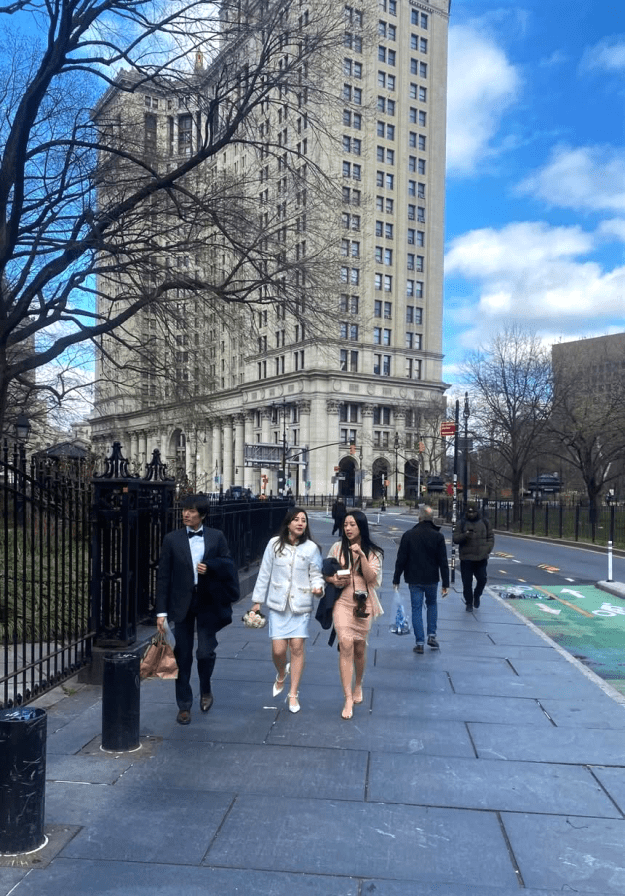
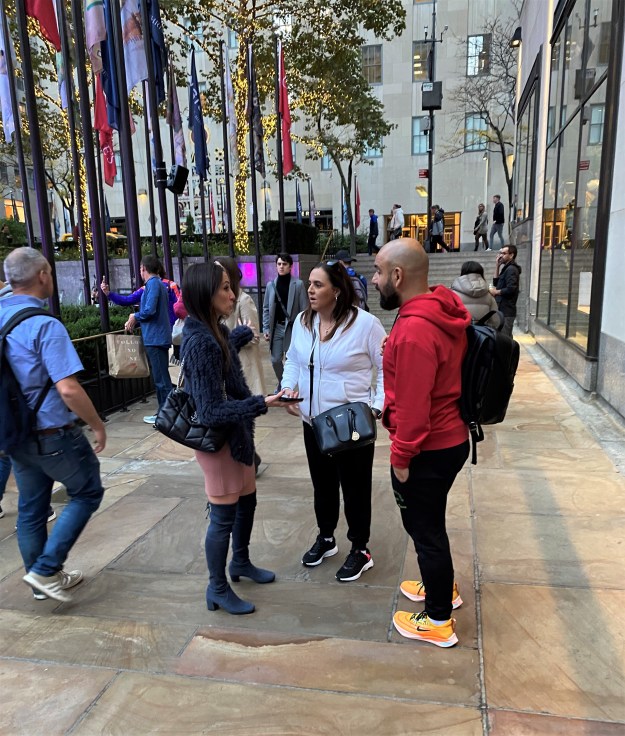
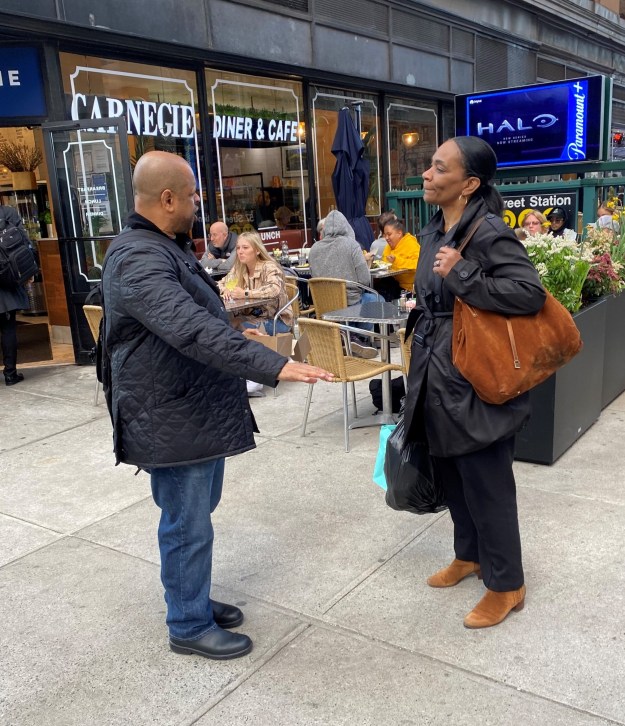
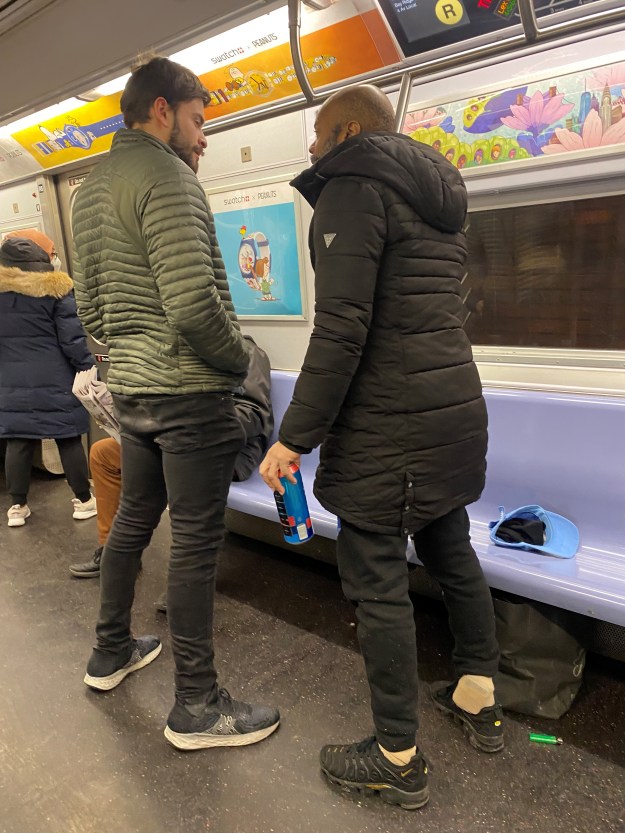
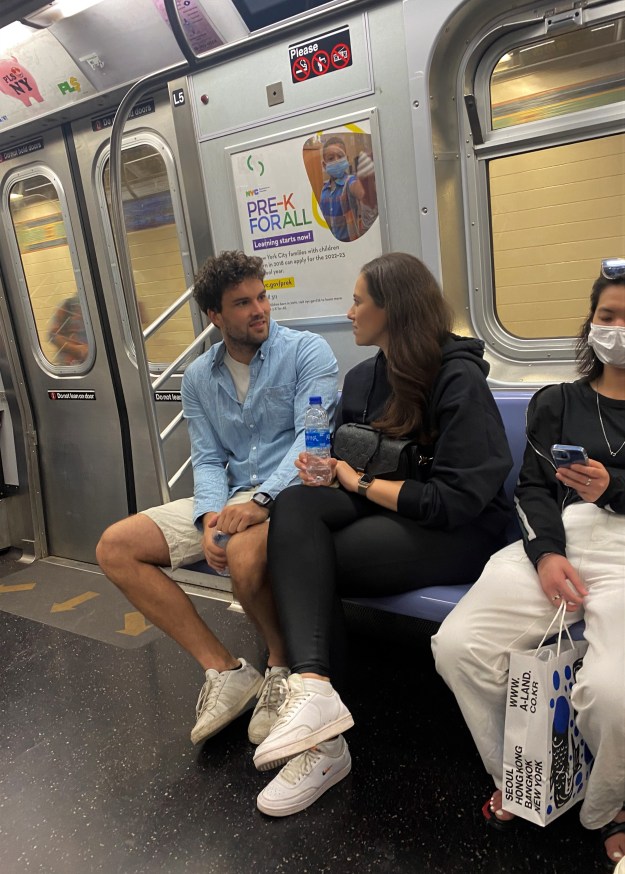
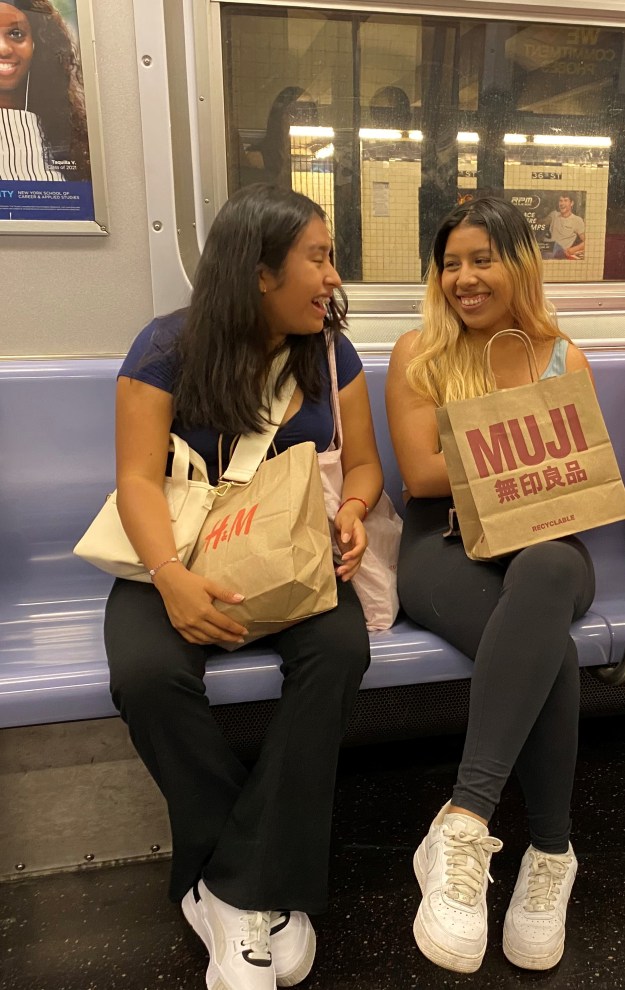
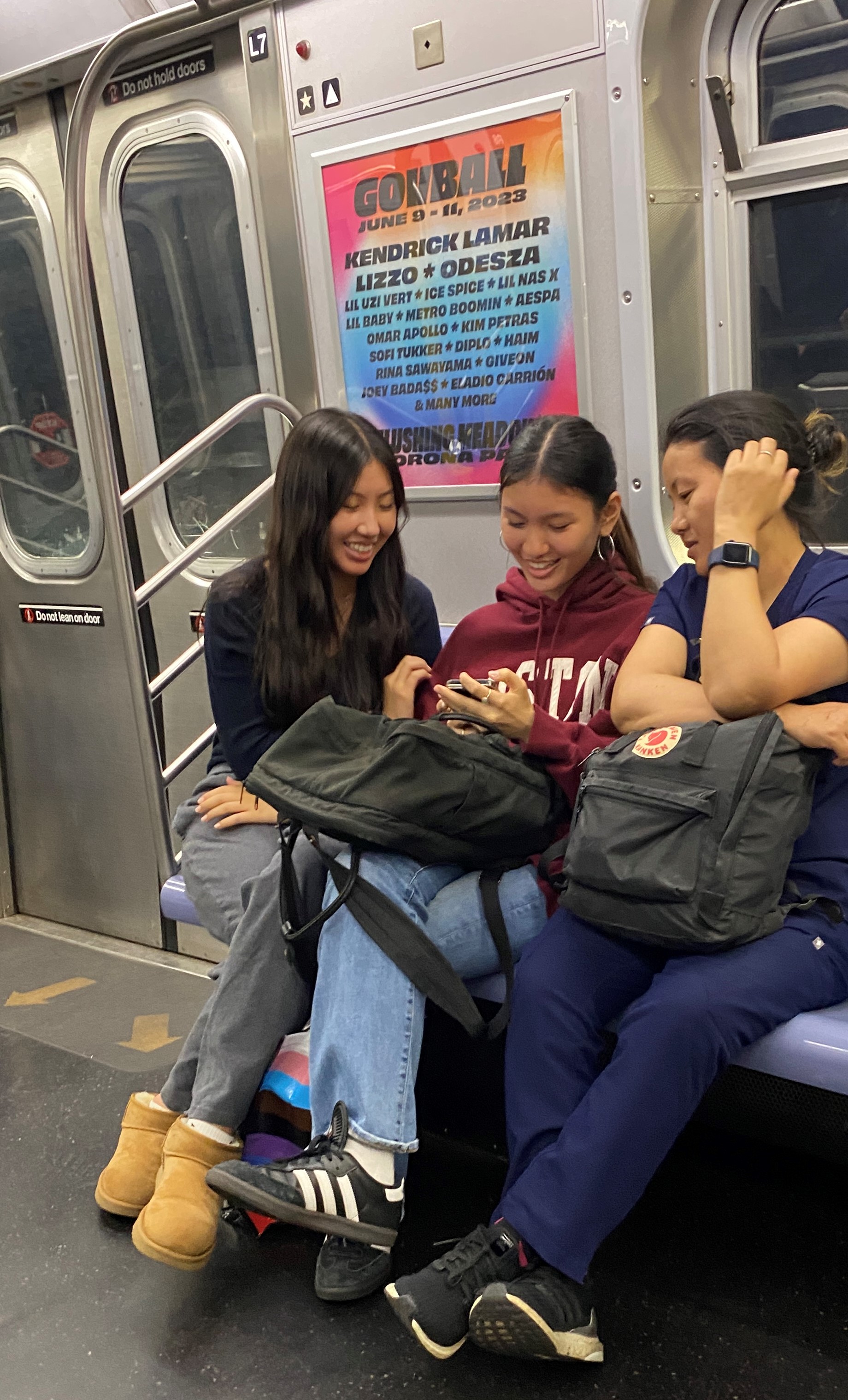
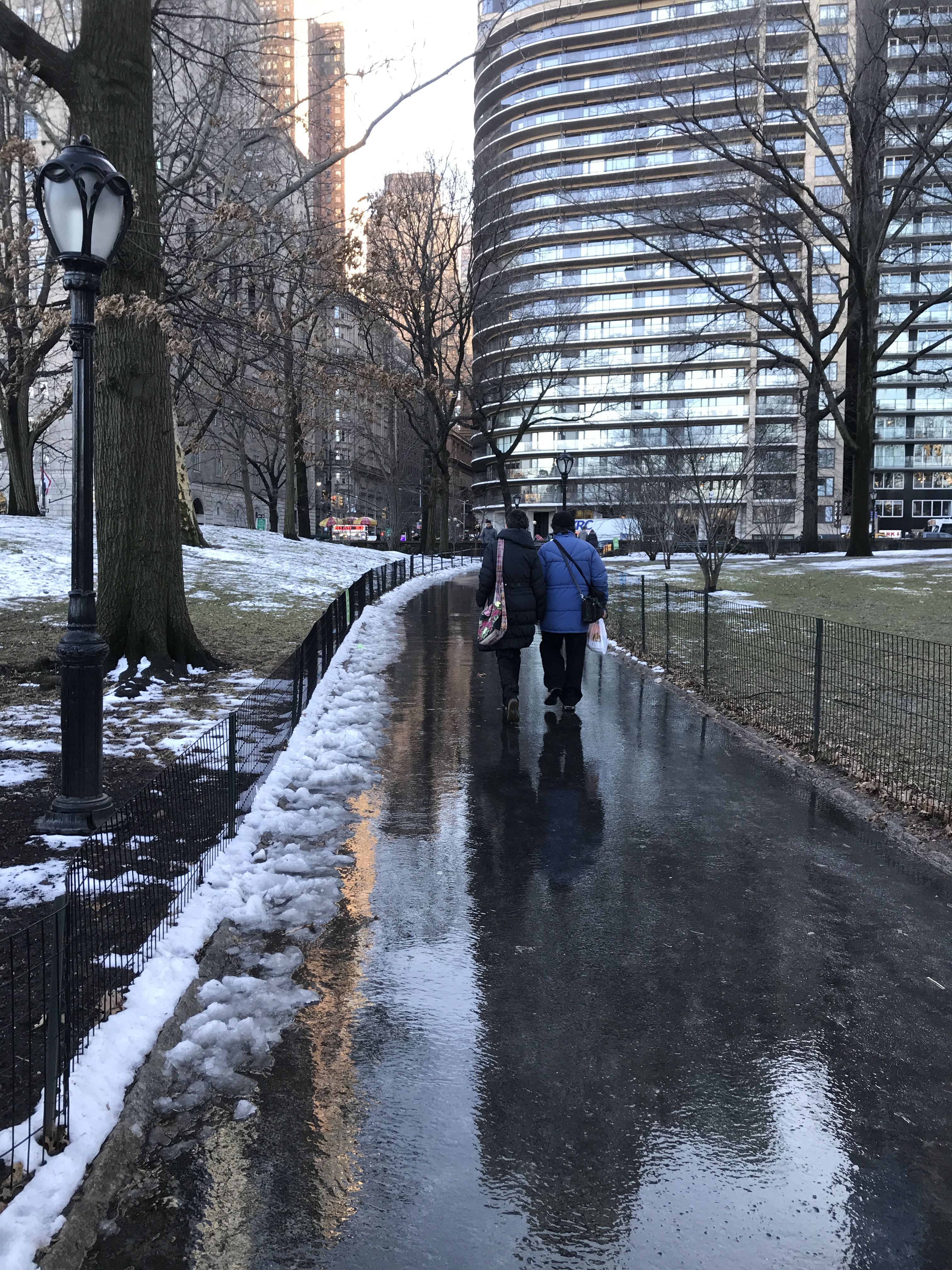
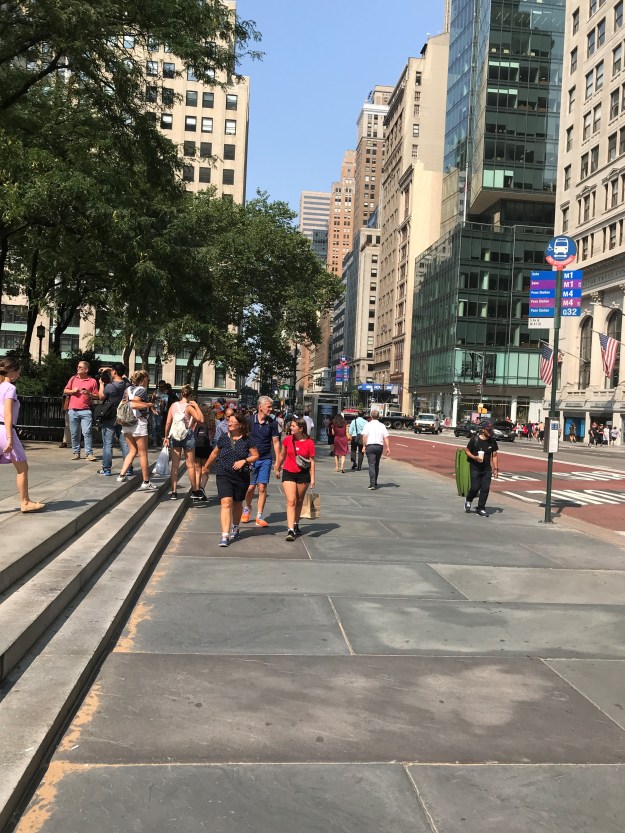
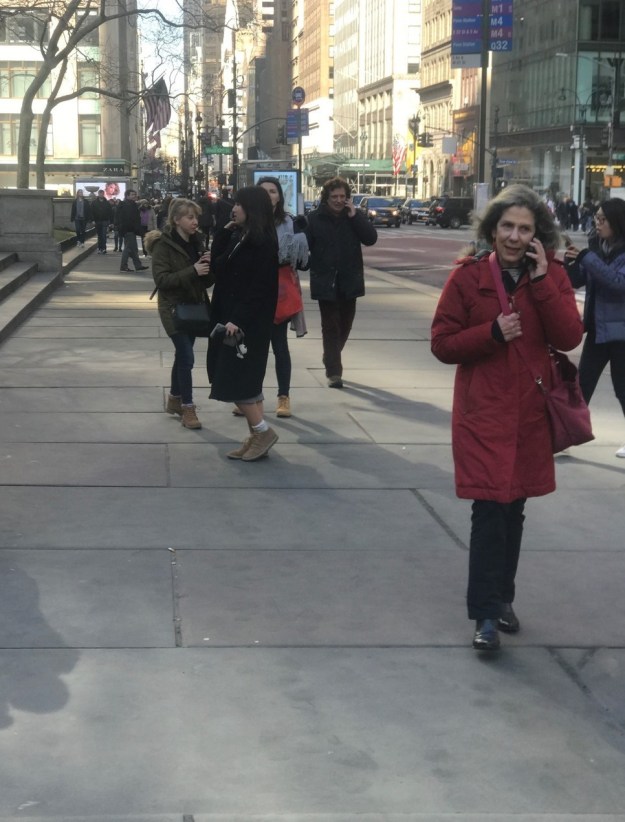
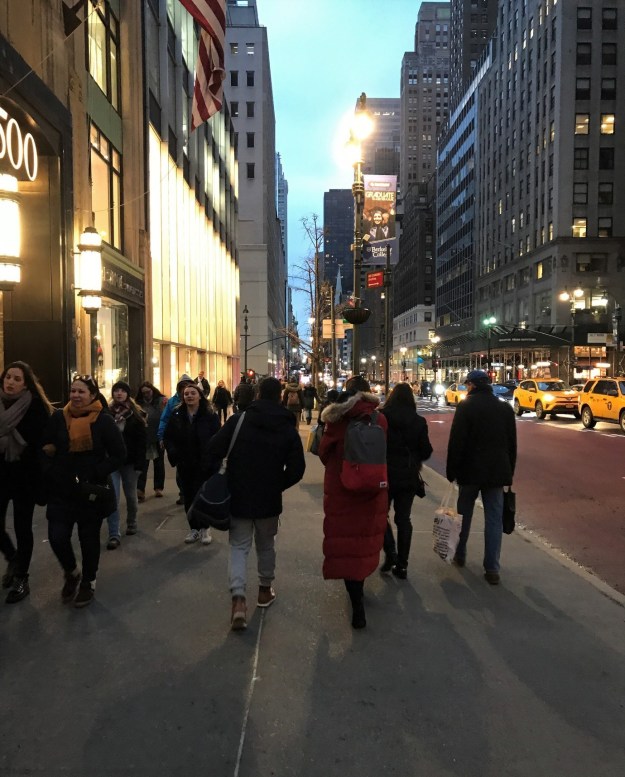
I continuously see people on the street, in the park on sidewalk benches, in gathering places such as cafes and bars — everywhere — in pairs or larger groupings, engaged in deep conversation and repartee.

People feel less self-conscious in New York. Free to express themselves. New York encourages thought and exchange of ideas.

It’s wonderfully liberating.


— Roger W. Smith

   June 2019; updated December 2025


*****************************************************

Addendum: Another thought. The fact that NYC is in large part a city in which people are on foot when they are outdoors, and not in cars, but instead are walking, or resting on benches, say; and, when they are traveling, are often on subways or buses, where conversation frequently occurs, is a facilitator of conversation and interaction.


****************************************************

photographs by Roger W. Smith


42nd Street

42nd Street

42nd Street

42nd Street

Sixth Avenue

59th Street.jpg

59th Street

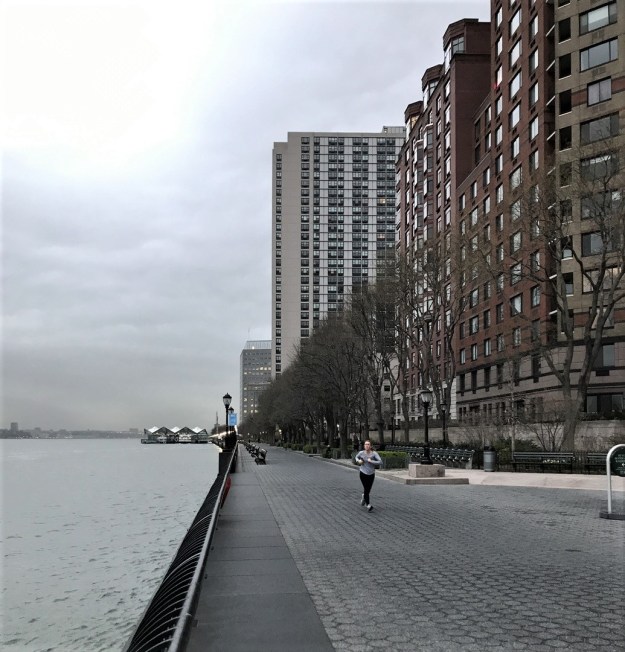
Battery Park City

Battery Park City

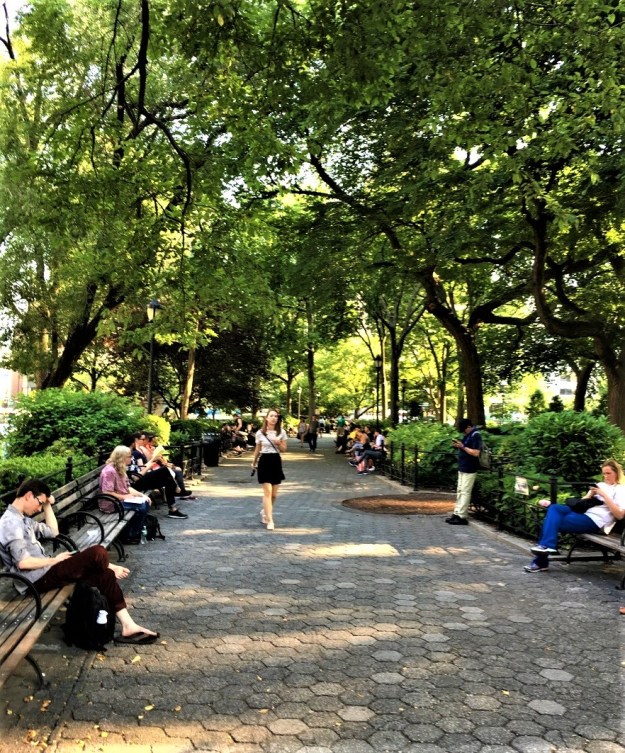
Bryant Park

Bryant Park

Bryant Park

Bryant Park

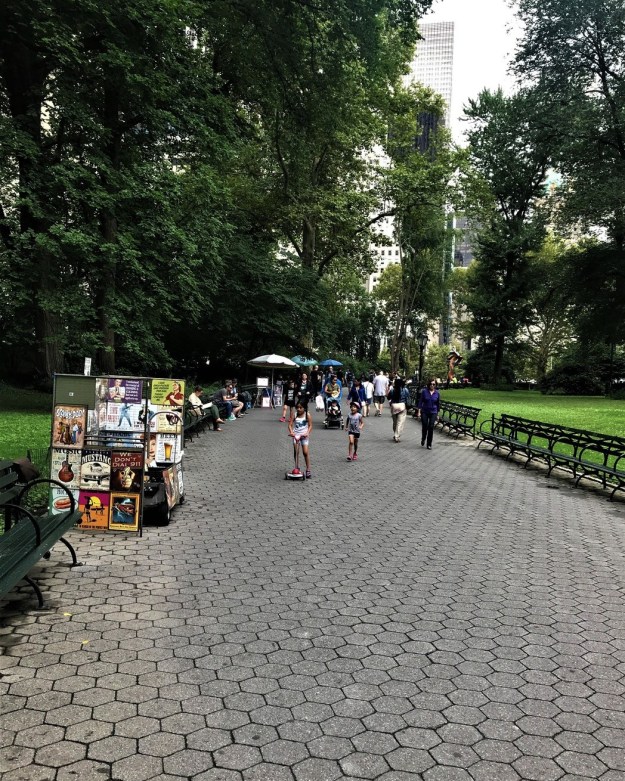
Central Park

Central Park (2).jpg

Central Park near Columbus Circle

Central Park (3).jpg

Central Park

Central Park

City Hall Park 2-58 p.m. 6-23-2019.JPG

City Hall Park

Fifth Avenue

Fifth Avenue

Fifth Avenue

Fifth Avenue

Fifth Avenue

Grand Central Oyster Bar

Hudson River Park

Hudson River Park

Hudson River Park (2).jpg

Hudson River Park

Hudson River Park (3)

Hudson River Park

Hudson Yards.jpg

Hudson Yards

Hudson Yards

Lexington Avenue

Lexington Avenue

Madison Square Park.jpg

Madison Square Park

Madison Square Park (2).jpg

Madison Square Park

Madison Square Park (3)

Madison Square Park

Madison Square Park (4).jpg

Madison Square Park

Madison Square Park (5).jpg

Madison Square Park

Madison Square Park (6).jpg

Madison Square Park

Madison Square Park (7).jpg

Madison Square Park

Madison Square Park (8).jpg

Madison Square Park

Madison Square Park (9).jpg

Madison Square Park

Madison Square Park 10-10-2019.JPG

Madison Square Park

Gregory's Coffee 7-7-2019

Ninth Avenue coffeehouse

P. J. Carney’s pub, Seventh Avenue

P J. Carney’s pub

P. J. Carney’s

P. J. Carney’s

P. J. Carney’s

P J. Carney’s

P. J. Carney’s

P. J. Carney’s

P. J. Carney’s

P. J. Carney’s

P. J. Carney’s

P. J. Carney’s

P. J. Carney’s

P. J. Carney’s

P. J. Carney’s

P. J. Carney’s

P. J. Carney’s

P. J. Carney’s

P. J. Carney’s

P. J. Carney’s

P. J. Carney’s

P. J. Carney’s

P. J. Carney’s

P. J. Carney’s

P. J. Carney’s

P. J. Carney’s

P. J. Carney’s

P. J. Carney’s

P. J. Carney’s

P. J. Carney’s

P. J. Carney’s

P. J. Carney’s

P. J. Carney’s

P. J. Carney’s

P, J. Carney’s

P. J. Carney’s

P. J. Carney’s

P. J. Carney’s

P. J. Carney’s

P. J. Carney’s

P. J. Carney’s

P. J. Carney’s

P J. Carney’s

P. J. Carney’s

P J. Carney’s

P. J. Carney’s

P. J. Carney’s

P J, Carney’s

P. J. Carney’s

P. J.

P. J. Carney’s

P. J. Carney’s

P. J. Carney’s

P. J. Carney’s

P. J. Carney’s

P. J. Carney’s

P. J. Carney’s

Rockefeller Center

Seventh Avenue

Seventh Avenue

Seventh Avenue

Sixth Avenue

Soho

Soho

Union Square Park.jpg

Union Square Park

Union Square.jpg

Union Square

Upper West Side

Upper West Side

West Side

R train

R train

R train

R train

R train

R train

R train

R train

A train

L train

L train

Seventh Avenue

59th Street

59th Street


Walt Whitman … profoundly a New Yorker


In his sprawl, his vaunting ambition, and his humanity, Walt Whitman was profoundly a New Yorker. His poetry bore no little resemblance to the “mettlesome, mad, extravagant city” that he called home, and to the end of his life, he remained “a Manhattanese, free, friendly and proud.”

Whitman was born in the small community of West Hills in Suffolk County, and he returned often to the rural scenes of “fish-shape Paumanok,” as he called Long Island. But he grew up in Brooklyn, at a time when it was growing explosively, and proudly called himself a “Brooklyn boy.” Like his father, he found occasional work in carpentry and contracting, and that may have affected the way he thought about his poetry–with “the preparatory jointing, squaring, sawing, mortising, the hoist-up of beams the push of them in their places, laying them regular.”

New York’s expansion resembled Whitman’s own during the “seed-time years” that preceded Leaves of Grass. He later claimed that the poems “arose out of my life in Brooklyn and New York from 1838 to 1853, absorbing a million people, for fifteen years, with an intimacy, an eagerness, and an abandon, probably never equaled.” Although he moved to Washington during the Civil War and then to Camden, New Jersey, he never stopped revisiting the New York of his imagination. In a letter from 1868, he wrote, “I sometimes think I am the particular man who enjoys the shows of all these things in New York more than any other mortal–as if it was all got up just for me to observe and study.” [italics added]

– exhibit label, “Walt Whitman: Bard of Democracy”; exhibition at the Morgan Library, New York, NY


*****************************************************

CITY OF SHIPS.

CITY of ships!
(O the black ships! O the fierce ships!
O the beautiful sharp-bow’d steam-ships and sail-ships!)
City of the world! (for all races are here,
All the lands of the earth make contributions here;)
City of the sea! city of hurried and glittering tides!
City whose gleeful tides continually rush or recede, whirling in and out with eddies and foam!
City of wharves and stores—city of tall façades of marble and iron!
Proud and passionate city—mettlesome, mad, extravagant city!
Spring up O city—not for peace alone, but be indeed yourself, warlike!
Fear not—submit to no models but your own O city!
Behold me—incarnate me as I have incarnated you!
I have rejected nothing you offer’d me—whom you adopted I have adopted,
Good or bad I never question you— love all—I do not condemn any thing,
I chant and celebrate all that is yours—yet peace no more,
In peace I chanted peace, but now the drum of war is mine,
War, red war is my song through your streets, O city!

Leaves of Grass (1881-1882)


*****************************************************

But I was a Manhattanese, free, friendly, and proud
I was called by my nighest name by clear loud voices
of young men as they saw me approaching or passing,
Felt their arms on my neck as I stood, or the negligent leaning of their flesh against me as I sat,
Saw many I loved in the street, or ferry-boat, or public assembly, yet never told them a word,
Lived the same life with the rest, the same old laughing, gnawing, sleeping,
Played the part that still looks back on the actor or actress,
The same old rôle, the rôle that is what we make it, as great as we like,
Or as small as we like, or both great and small.

— Walt Whitman, “Crossing Brooklyn Ferry” (excerpt)


*****************************************************

The house-builder at work in cities or anywhere,
The preparatory jointing, squaring, sawing, mortising,
The hoist-up of beams, the push of them in their places,
laying them regular

— Walt Whitman, “Song of the Broad-Axe” (excerpt)


*****************************************************

The exhibit label is vague about where Whitman actually lived during his years in what now comprises New York City. (Brooklyn and Manhattan were separate municipalities when Whitman lived there. Jamaica, Queens, where Whitman was a schoolteacher briefly, was then part of Long Island, where Whitman was born.) He grew up in Brooklyn; and, in the years of his adulthood prior to the Civil War, he resided in both Brooklyn and Manhattan at various times. When in Manhattan, he lived downtown in boarding houses in or near what is now the Financial District. When he was residing in Brooklyn, he often took the ferry to Manhattan. He was a regular at Pfaff’s beer cellar in Manhattan, which was located on Broadway near Bleecker Street.

Whitman lived on Ryerson Street in Brooklyn in the 1850s.


*****************************************************

photos by Roger W. Smith

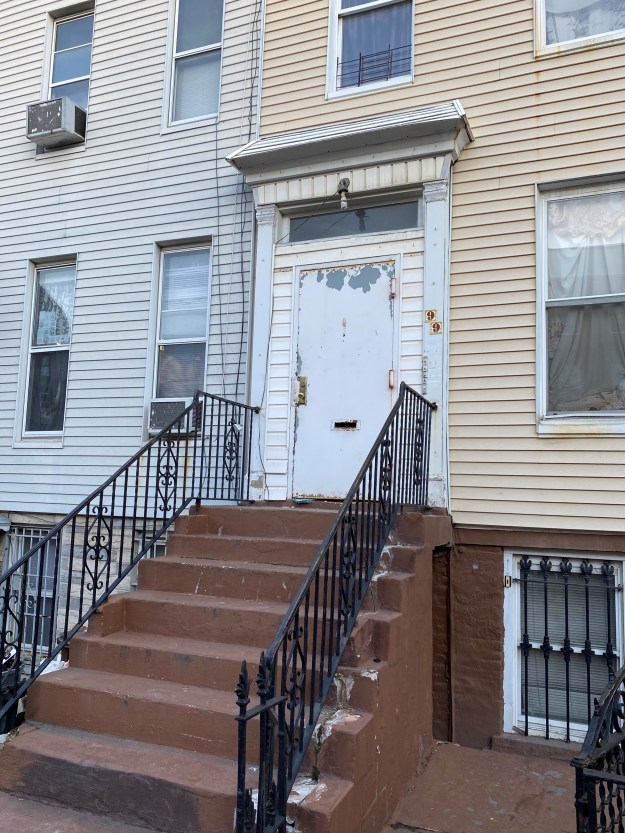
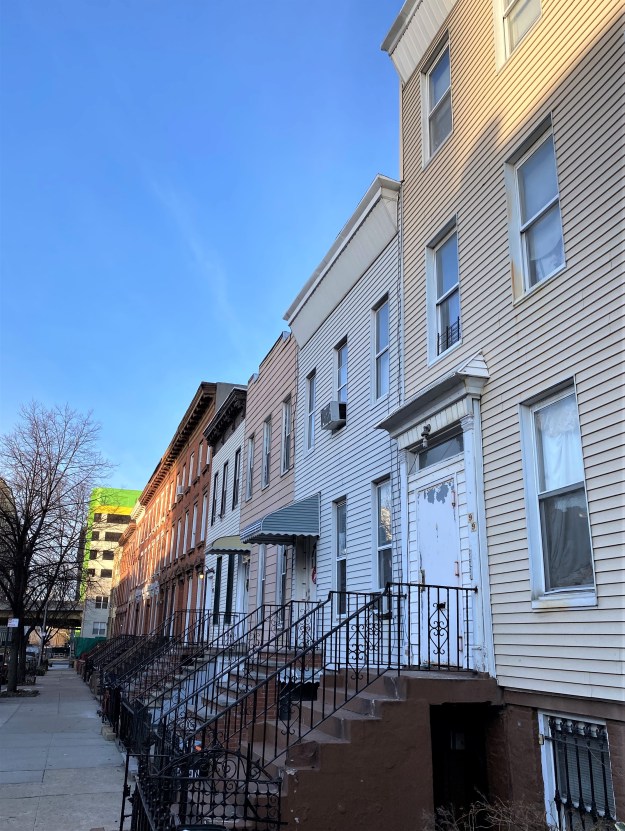
former Whitman home, 99 Ryerson Street, Brooklyn (Clinton Hill Section)

99 Ryerson Street


*****************************************************

See:

“Should Walt Whitman’s House Be Landmarked? It’s Complicated: The city does not think so, and the building’s owner agrees. Then there’s the matter of whether the poet should be honored in such a diverse neighborhood.,” By Jane Margolies,  The New York Times, December 24, 2019


‘Should Walt Whitman House Be Landmarked’ – NY Times 12-24-2019


— posted by Roger W. Smith


*****************************************************

Addendum:

In 2017, University of Iowa Press published a lost Whitman novel (its existence was unknown to scholars):  Life and Adventures of Jack Engle, which was originally published by Whitman in 1852 under a pseudonym and was serialized in a New York newspaper, the Sunday Dispatch. Zachary Turpin, who wrote an introduction to the 2017 edition, made this remarkable discovery.

If one reads the novel, which is set in Manhattan at around the time of Whitman’s boyhood — i.e., the early nineteenth century —  one can readily perceive Whitman’s familiarity with the City, which provides a setting and backdrop for the events and gives the story verisimilitude.


It’s gone.


It’s gone.

They’re gone.

The past. Our lived history. Past times. The particulars. What made them unique.

This past, our past, dies with people. As they pass away. Dies as well as the people themselves.

An era. A generation. Gone irretrievably.


*****************************************************

My friend Bill Dalzell.

I think of him often. Of New York as he knew it.

When the City was affordable, actually cheap. When it was hospitable to artists, writers, and editors; to independent types who loved culture, the arts, and the life of the mind and who didn’t want the buttoned down life.

The New York of art film houses, the Automat, McSorley’s Old Ale House, and the Blarney Stones; of the Metropolitan Museum of Art when admission was free; of the New York Public Library when it was open 365 days a year. When First Avenue bars held Sunday afternoon poetry readings.

When the subway fare was a dime, a glass of beer was twenty cents, and flats in the Lower East Side rented in the 30 to 50 dollar a month range.

Dr. Ralph Colp, Jr., my therapist.

He practiced when psychiatrists did talk therapy and were intellectuals rather than pill pushers; when (as was the case with me) they charged 30 dollars for a session scheduled for 50 minutes that usually lasted an hour; when a writer such as Dr. Colp used a Royal manual typewriter; when a Sunday afternoon or holiday recreation for him and many Manhattanites, such as myself, involved seeing a foreign film.


*****************************************************

This melancholy, mournful train of thoughts occurred to me today when for some reason or other I thought of Bill, when something reminded me of him.


— Roger W. Smith

   May 22, 2019

another Manhattan jaunt


“A City Walk-Just a list of all that is seen in a walk through the streets of Brooklyn and New York and crossing the Ferry.”

— Walt Whitman, idea for a poem (published in Walt Whitman: Notebooks and Unpublished Prose Manuscripts, Volume IV: Notes, edited by Edward F. Grier, New York University Press 1984, pg. 1292)


*****************************************************

On Friday, April 12, I walked from one end of Manhattan to the another — from bottom to top — and another five miles back downtown before getting tired and giving up.

The photos below were taken by me during different stages of my walk, beginning in Battery Park in the early morning, continuing to 218 Street at midday, and ending in the Columbia University neighborhood in the early evening.

I would like to make a few points about walking that have occurred to me from time to time, and which seemed to be confirmed by this long walk of between twenty and twenty-five miles.


*****************************************************

First, contrary to what one might expect, walking, counterintuitively, seems to decrease appetite. I had eaten very lightly the day before; I woke up hungry. I walked about three miles before having a light breakfast at around 8:30 a.m., two and a half hours after I had started.

At around five-thirty, I stopped to eat a late afternoon, early evening lunch/dinner. I felt very hungry. But I quickly got filled up and couldn’t finish.

Secondly, walking seems (as I have stated before) to be a perfect form of exercise which does not unduly tax the body while contributing to wellbeing. I have not walked as much as usual lately — this was true in the winter months. Yet, on Sunday, April 7, I walked something like fifteen or sixteen miles, and on April 12, as noted above, I walked another eight miles or so further than on my previous jaunt. I experienced little tiredness at different stages of my walk, did not need to warm up or feel the need to take breaks.

Without being an expert, I would be inclined to say that we are made for walking, evolutionarily speaking. For most of human existence, until recently, people were accustomed to walk constantly, and it is undoubtable that they walked on average a lot more than we do now.

Thirdly, I have noticed that, when I start walking frequently, my “brother body” (a term used by the sociologist Pitirim A. Sorokin, apparently adopting the phrase from words of St. Francis) seems to want more and more of the same. I will wake up a day or two later feeling, I want to do that again. Today!


— Roger W. Smith

   April 2019


*****************************************************

photographs by Roger W. Smith
 

Battery Park 6-11 a.m. 4-12-2019

Battery Park, 6:11 a.m.

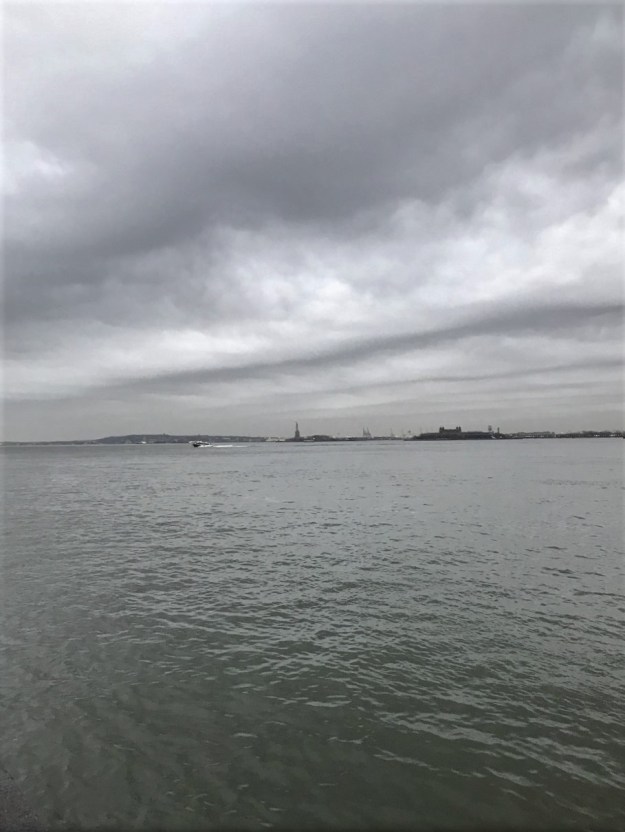
New York Harbor 6-39 a.m. 4-12-2019

New York Harbor viewed from Hudson River Park, 6:39 a.m.

Hudson River Park 8-12 a.m. 4-12-2019

Hudson River Park, 8:12 a.m.

coffee shop.jpg

coffeehouse, Ninth Avenue and 44th Street, 8:51 a.m.

Broadway and 103rd St 10-55 a.m. 4-12-2019

Broadway and 103rd Street, 10:55 a.m.

IMG_3667.JPG

Broadway near 155th Street, 11:52 a.m.

Broadway near 195 St 12-48 p.m. 4-12-2019

Broadway near 195th Street, 12:48 p.m.

IMG_3736.JPG

Inwood Hill Park, 2:08 p.m.

Inwood Hill Park 2-23 p.m. 4-12-2019.JPG

Inwood Hil Park, 2:23 p.m.

218th Street and Broadway.JPG

218 Street (the last in Manhattan) and Broadway

IMG_3815.JPG

Broadway, Inwood, 3:15 p.m.


*****************************************************

See also my posts:


on walking (and exercise)

on walking (and exercise)


Manhattan Island from Bottom to Top; Walking as Exercise

Manhattan Island from Bottom to Top; Walking as Exercise

a Sunday jaunt; Hudson Yards and the City


On Sunday, April 7, I walked from Battery Park in Manhattan to Dyckman Street (200th Street; the last Manhattan street is 218th Street). The walk took me all day. With zigzagging, I probably walked sixteen miles.

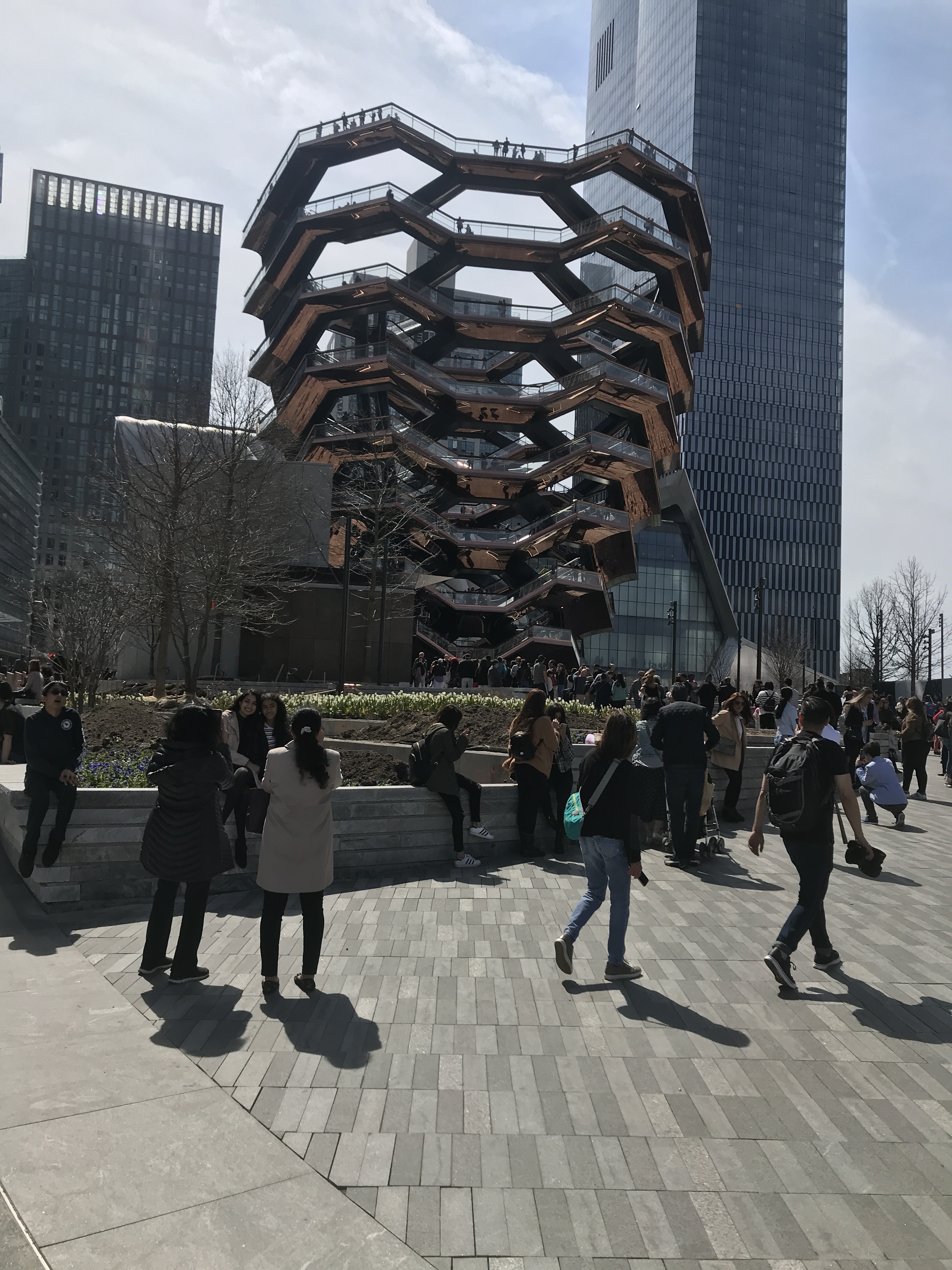
I walked uptown from Battery Park along the so-called Hudson River Park until I reached the 30’s, when I decided to take a look at the New Hudson Yards development. Hudson Yards has just opened. It was built over a railroad yard on the Far West Side.


*****************************************************

Hudson Yards has not been getting good press from architectural critics.
from The Washington Post:

“Architecture critics have been almost unanimous in their hatred of New York ’s new Hudson Yards development, a generic pop-up landscape of soulless glass towers and high-end retail built over the wasteland of midtown Manhattan’s west-side rail yard. Longtime New Yorkers, and transplants with taste, are inclined to agree: It’s as ugly as Dubai, it reeks of greed and mammon, and it only exacerbates the worst tendencies of a city that seems hellbent on erasing anything distinctive or humane in its built environment.”

— “The Shed is the only reason to go to Hudson Yards, New York’s most hated new development.”, By Philip Kennicott, Art and architecture critic, The Washington Post, April 3, 2019

from The New York Times:

The first massive tower emerged at the apex of the High Line, looming over it, a shingled, spiky, reflective blue-glass behemoth [The Vessel], shaped by eccentric cuts and angles, as if sheared by a giant Ginsu knife.

The largest mixed-use private real estate venture in American history. …, it is called Hudson Yards. … at jaw-dropping magnitudes you can’t begin to grasp until you are actually standing there, Hudson Yards has sprouted a seven-story, 720,000-square-foot shopping mall. There are also four more supertall skyscrapers as well as a $500 million city-sponsored arts center called the Shed.

… [The Vessel, a climbable 15-story sculpture which stands out as a defining architectural symbol/motif is] a 50-foot-high, $200 million, latticed, waste-basket-shaped stairway to nowhere, sheathed in a gaudy, copper-cladded steel. …

For its advocates, the $25 billion development is a shining new city ex nihilo, a wellspring of future tax revenues and evidence of a miraculous, post-9/11 civic volte-face. …

It is, at heart, a supersized suburban-style office park, with a shopping mall and a quasi-gated condo community targeted at the 0.1 percent.

A relic of dated 2000s thinking, nearly devoid of urban design, it declines to blend into the city grid.

It offers 14 acres of public open space in return for privatizing the last precious undeveloped parcel of significant size in Manhattan. But the open space looks like it may end up being mostly a fancy drive-through drop-off for the shopping mall, a landscaped plaza overshadowed by office towers and, for the coming western yards, a scattering of high-rise apartment buildings around a lawn — in effect, a version of a 1950s towers-in-the-park housing complex, except designed by big-name architects. … the whole site lacks any semblance of human scale. With its focus on the buildings’ shiny envelopes, on the monotony of reflective blue glass and the sheen of polished wood, brass, leather, marble and stone, Hudson Yards glorifies a kind of surface spectacle — as if the peak ambitions of city life were consuming luxury goods and enjoying a smooth, seductive, mindless materialism. …

Over all, Hudson Yards epitomizes a skin-deep view of architecture as luxury branding. Each building exists to act like a logo for itself. The assortment suggests so many crowded perfume bottles vying for attention in a department store window display.

— “Hudson Yards Is Manhattan’s Biggest, Newest, Slickest Gated Community: Is This the Neighborhood New York Deserves?” By Michael Kimmelman, Architecture critic, The New York Times, March 14, 2019

Kimmelman goes on to say, perceptively:

The obvious precedent here is Rockefeller Center, completed during the 1930s, the last comparable development in Midtown Manhattan. … [It was] an object lesson in urban design and a landmark of modern art and architecture, a development ingeniously, democratically woven into the fabric of the street grid.”

At a glance, Rockefeller Center looks unified because of all the masonry construction and Art Deco details. But the real source of its coherence is its plan. … All the parts work in harmony to create a singular place inseparable from the rest of the city.” [Raymond] Hood [Rockefeller Center’s chief architect] grasped the difference between scale and size — how a site with multiple entrances needs to be orchestrated from many angles, how architecture without urban design is just sculpture, how true art enhances the dignity of a place, and how the success of a neighborhood and its retail businesses come down to what’s happening at street level.

Hudson Yards barely acknowledges any of these things.


*****************************************************

The sage observations of one Roger W. Smith (while walking on Sunday):

Hudson Yards deserves the criticisms it’s getting. From critics who know a lot more about architecture and cityscapes than I ever will.

Its stores are for rich people and tourists. The new concert hall/arts venue (The Shed) does not look appealing or inviting.

But the place is thronged (was thronged when I went there on Sunday).

With ordinary people. Congregating, milling about. Mingling. Gawking.

Sitting on benches on a spring day.

Because it’s a place to go. In what was a storage yard for railroad cars. The number 7 subway line has been extended to go there. A new urban space has been created ex nihilo.

People like to be in the midst of other people. People hate isolation, hate to be cooped up. (Pity the poor, inhumanely and cruelly treated inmates in our prisons.) This is very true of New Yorkers.

NYC invites its apartment dwellers OUTDOORS. On a beautiful early spring day in April. Streets and thoroughfares for walkers and bicyclists everywhere. People out on Sunday. Congregating in parks seemingly everywhere. Walkers predominating and defining the streetscape (on a lazy non-business day), like you see nowhere else in America.

Many interesting looking people. Snatches of conservation overheard. Attractive young women. Attractive young couples. People sunbathing themselves on the grass. People in crowded bars and cafes, jammed with customers.

Young ladies walking dogs. Parents with kids. A father free from work for the day taking his son or daughter for a walk, presumably heading to the park, or in the park. Mothers with strollers. Kids frolicking and kicking a soccer ball in the park, with the utter abandonment characteristic of kids at a play.

New York is wonderful.

Rockefeller Center is accessible in a way that Hudson Yards isn’t. Michael Kimmelman makes an excellent point. But Hudson Yards is another place to go. New York keeps changing, sometimes not for the better, but it’s hard to destroy its vitality and appeal to common humanity, despite cement and steel.


– Roger W. Smith

   April 2019


*****************************************************

photographs by Roger W. Smith

IMG_3233.JPG

The Vessel, Hudson Yards; an ugly, monolithic “artwork”

Hudson Yards 1-53 p.m. 4-7-2019.JPG

Hudson Yards, April 7, 2019

Hudson Yards 1-53 p.m. 4-7-2019 (2).jpg

Hudson Yards, April 7, 2019

Hudson Yards 1-54 p.m. 4-7-2019.JPG

Hudson Yards, April 7, 2019

park at West and West 11th Streets 12-53 p.m. 4-7-2019

Hudson River Park at West and West Eleventh Streets, April 7, 2019
Rockefeller Center 4-01 p.m.-9-26-2017

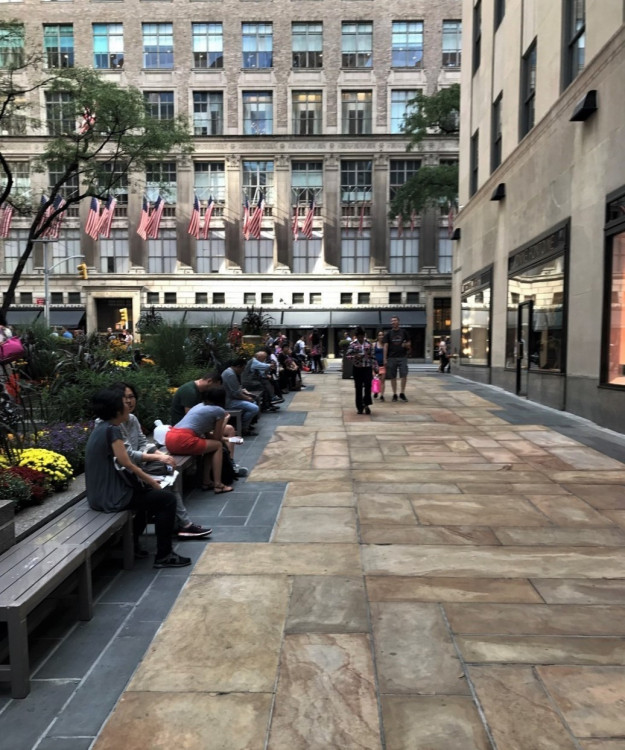
Rockefeller Center on a weekday afternoon; September 26, 2017


pre-spring haiku


all over the place

water running faster than you can walk:

snowmelt

— Ella Rutledge (posted on her Facebook page, February 2019)

I wish to thank my friend Ella Rutledge for giving me permission to post her haiku on this site.


— posted by Roger W. Smith

   February 24, 2019


*****************************************************

photographs of Central Park taken February 21, 2019 by Roger W. Smith


IMG_9553

3-41 IMG_9555.JPG

3-59 IMG_9667.JPG

4-15 IMG_9822.JPG

4-15 IMG_9828.JPG

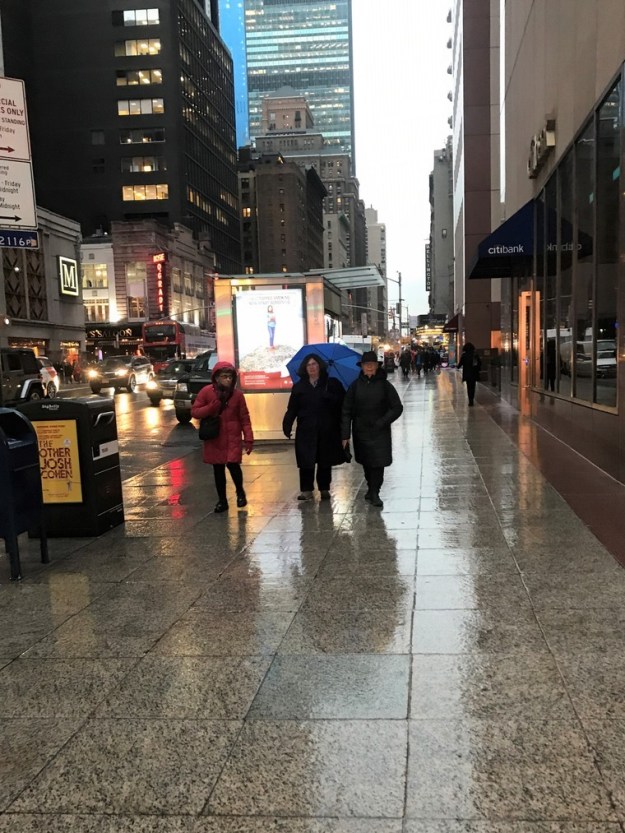
Sixth Avenue on a rainy afternoon; Herman Melville


Sixth Avenue 4-23 a.m. 11-30-2018

Sixth Avenue, New York City; Friday afternoon, November 30, 2018

I took this photo of Sixth Avenue on my way home on Friday afternoon.

It’s been raining a lot in the City this week.

Rain can be a slight inconvenience, like other weather phenomena, but I never really minded it. It can be “nice.”

When I was very young, my mother took me once to my eye doctor, Dr. Johnson, in Boston on a weekday. We went by subway.

The appointment lasted a long time. Going home in the late afternoon, it was dark and rainy. I didn’t mind. I loved having my mother all to myself. When we got home, she put me to bed. She was so kind. She kept saying that I was cold and wet and that I must be very tired: it had been such a long day and we got home late.

Re this photo of Sixth Avenue, this street scene, it reminds me of Herman Melville’s words (in Moby-Dick): “a damp, drizzly November in my soul.”

Thanks to the Good Lord that it came upon me once when I was first living in NYC to read Moby-Dick, in a library copy. What a book!

THE Great American Novel.

*****************************************************

Whenever I find myself growing grim about the mouth; whenever it is a damp, drizzly November in my soul; whenever I find myself involuntarily pausing before coffin warehouses, and bringing up the rear of every funeral I meet; and especially whenever my hypos get such an upper hand of me, that it requires a strong moral principle to prevent me from deliberately stepping into the street, and methodically knocking people’s hats off—then, I account it high time to get to sea as soon as I can.

— Herman Melville, Moby-Dick; CHAPTER 1. “Loomings.”


— Roger W. Smith

   December 2, 2018

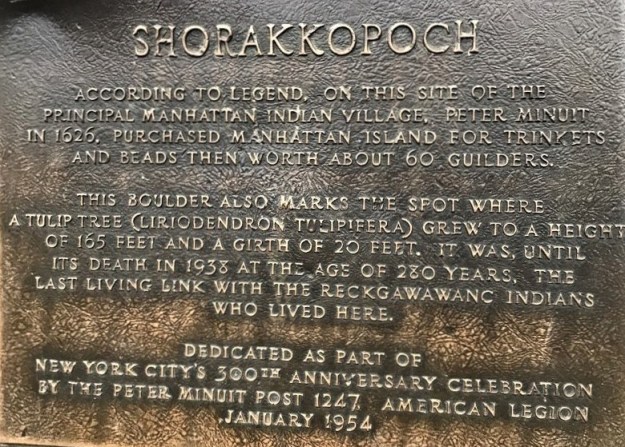
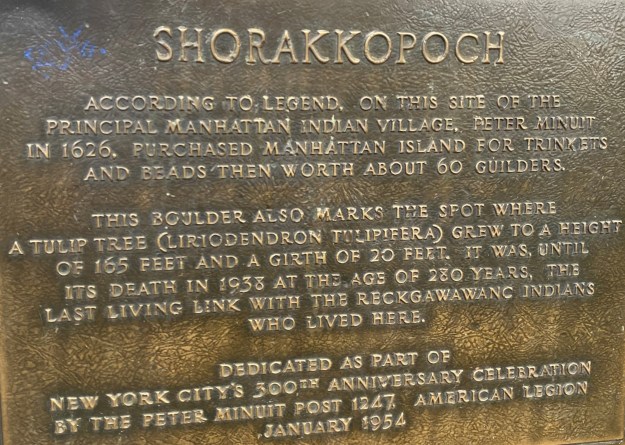
Shorakkopoch


Shorakkopoch stone.jpg

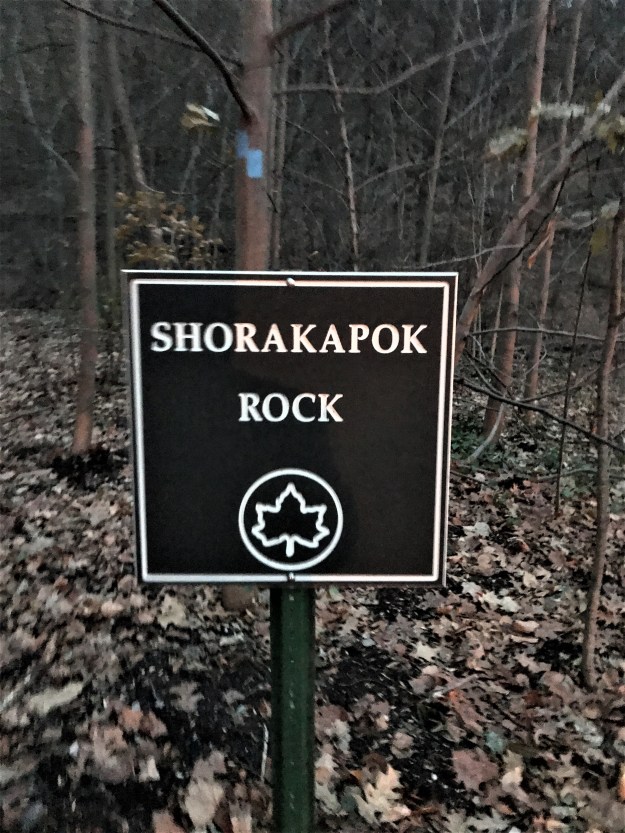
Shorakkopoch (also spelled Shorakopok) stone; Inwood Hill Park, New York City

IMG_2871.JPG

imageedit_1_4755421

SHORAKKOPOCH

According to legend, on this site of the principal Manhattan Indian village, Peter Minuit in 1626, purchased Manhattan Island for trinkets and beads then worth about 60 guilders.

This boulder also marks the spot where a tulip tree (Liriodendron Tulipiera) grew to a height of 165 feet and a girth of 20 feet. It was until its death in 1938 at the age of 280 years. the last living link with the Reckgawawanc Indians who lived here.

Dedicated as part of New York City’s 300th anniversary celebration by the Peter Minuit post 1247, American Legion January 1954.

*****************************************************

This marker is in Inwood Hill Park in Upper Manhattan, where I was walking yesterday. It’s a beautiful spot, and I can imagine what it was like for the Indians who lived there (sadly, once, no more).

The stone is easy to miss. It’s on one of the paths in the forested area of the park.


— Roger W. Smith

  November 28, 2018

the music of the spheres (linguistically speaking)


I live in the borough of Queens in New York City.

In a metropolitan area with the most ethnically diverse zip codes in the nation, and in a City where far more languages are spoken than in any other city in the world — in public; on the streets and in parks; in stores and restaurants; on buses and the subway; and so on.

To hear the variety of languages spoken in NYC is exhilarating.

I love to hear foreign languages.

Their musicality.

To hear the wonderful sonorities of Spanish being spoken. To hear Russian, and to be able to recognize it. To be able to recognize Polish, which I hear spoken very often in my neighborhood.

To guess at other languages that I hear being spoken during my peregrinations.

To me, it’s just another reason to WELCOME IMMIGRANTS. If only others — some do, but I fear, and in fact know, it’s far too few — could see this.


—  Roger W. Smith

    August 2018


*****************************************************


photos taken in Manhattan by Roger W. Smith


1 (2).jpg


2 (4)


3 (2).JPG


4 (2).jpg


5.JPG


6 (2).jpg